Search

Find uplifting stories about heroes, innovations, and solutions

37 results for "telescopes"

Hubble and Euclid Unveil Stunning New Cat's Eye Nebula Views
Innovation3h ago

Hubble and Euclid Unveil Stunning New Cat's Eye Nebula Views

Two space telescopes joined forces to capture the most detailed images ever of a dying star's spectacular remains 4,400 light-years away. The new photos reveal intricate shells, jets, and structures that help scientists understand how stars end their lives.

Scientific American2 min read
Two Space Telescopes Capture Stunning Dying Star
Planet Wins1d ago

Two Space Telescopes Capture Stunning Dying Star

NASA's Hubble and Europe's Euclid telescopes teamed up to photograph the Cat's Eye Nebula, revealing the most detailed view ever of a star's beautiful final moments. The image shows how stellar death creates cosmic art 4,400 light-years from Earth.

NASA3 min read
World's First Private Space Telescope Begins Mission
Innovation1d ago

World's First Private Space Telescope Begins Mission

A suitcase-sized satellite just captured its first star measurement, opening a new era where astronomers can rent time on commercial space telescopes. The breakthrough could help scientists find habitable planets around nearby stars.

Space.com3 min read
World's Largest Camera Begins Scanning the Night Sky
Innovation4d ago

World's Largest Camera Begins Scanning the Night Sky

The Vera Rubin Observatory just sent 800,000 alerts in a single night, catching asteroids, supernovae, and cosmic changes as they happen. Soon it will send seven million alerts nightly, discovering more objects in one year than all telescopes in history combined.

Google: scientific discovery3 min read
70 Ancient Galaxies Challenge What We Know About the Universe
Planet WinsFeb 21

70 Ancient Galaxies Challenge What We Know About the Universe

Scientists using powerful telescopes discovered 70 ancient galaxies that formed earlier than our models say should be possible. These cosmic time capsules could rewrite the story of how stars and galaxies came to be.

Space.com2 min read
Scientists Spot Universe's Brightest Microwave Laser
InnovationFeb 21

Scientists Spot Universe's Brightest Microwave Laser

Astronomers discovered the brightest natural laser beam ever seen, created by two galaxies colliding nearly 8 billion light years away. The find opens a window into how the universe's earliest galaxies formed and merged.

New Scientist2 min read
Chile Telescope Shoots Lasers to Create Artificial Stars
Planet WinsFeb 18

Chile Telescope Shoots Lasers to Create Artificial Stars

A stunning new photo captures four powerful lasers creating fake stars in the Chilean sky, part of a breakthrough system that helps astronomers see deeper into space than ever before. The European Southern Observatory just upgraded all four of its giant telescopes with this cosmic correction technology.

Space.com2 min read
Balloon Telescope Could Map Exoplanet Weather for Days
InnovationFeb 17

Balloon Telescope Could Map Exoplanet Weather for Days

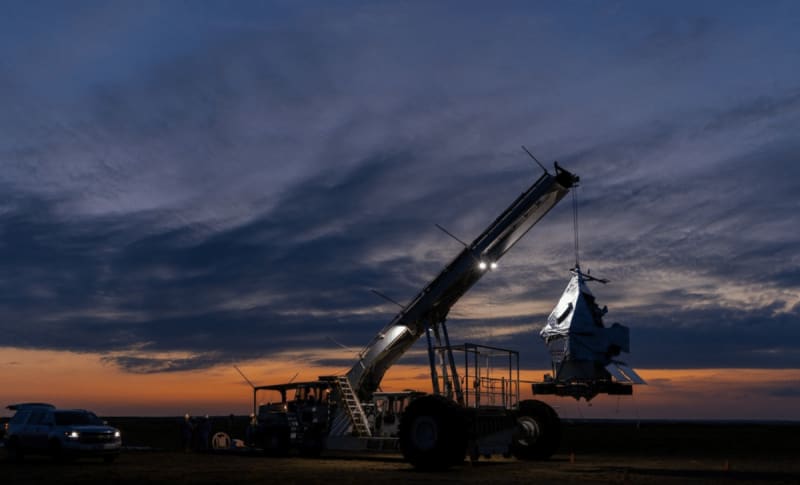
Scientists launched a telescope on a balloon that floats 25 miles above Earth to study distant planets in ways even the James Webb telescope can't. The mission could double our understanding of alien atmospheres while costing a fraction of traditional space telescopes.

Google: James Webb telescope2 min read
Ancient Galaxy Cluster Stuns Scientists, Rewrites Timeline
InnovationFeb 15

Ancient Galaxy Cluster Stuns Scientists, Rewrites Timeline

Two powerful space telescopes just spotted a galaxy cluster so massive and so old, it shouldn't exist according to our current understanding of the universe. The discovery could reveal secrets about how the cosmos grew up faster than anyone thought possible.

Live Science2 min read
Star Vanishes in Real Time, Likely Birth of Black Hole
InnovationFeb 13

Star Vanishes in Real Time, Likely Birth of Black Hole

For the first time, astronomers may have watched a massive star collapse into a black hole without exploding. The star, once visible from backyard telescopes in the Andromeda galaxy, simply faded into darkness over several years.

NPR Science3 min read
New Telescopes Will Reveal 40,000 Hidden Objects in Space
Planet WinsFeb 11

New Telescopes Will Reveal 40,000 Hidden Objects in Space

Scientists are about to unlock secrets from a frozen time capsule 3 billion miles away that's been waiting since our solar system was born. Powerful new telescopes will discover thousands of ancient objects that could rewrite what we know about how planets form.

Wired3 min read
$10B Plant Near World's Best Observatory Canceled
Planet WinsFeb 5

$10B Plant Near World's Best Observatory Canceled

Astronomers are celebrating after a company canceled plans for a massive hydrogen plant that would have damaged one of Earth's most important telescopes. The decision protects cutting-edge research into distant galaxies and planets beyond our solar system.

Space.com2 min read
Baby Star Discovered Hiding in Stellar Death Cloud
InnovationFeb 4

Baby Star Discovered Hiding in Stellar Death Cloud

Scientists using a powerful telescope discovered what everyone thought was a dying star is actually a newborn one, rewriting our understanding of a cosmic mystery 4,500 light-years away. The find also helped solve a decades-old puzzle about measuring stellar explosions.

Space.com2 min read
Chile Energy Firm Cancels Project to Protect Dark Skies
Planet WinsFeb 3

Chile Energy Firm Cancels Project to Protect Dark Skies

A massive $10 billion green energy project in Chile's Atacama desert has been cancelled, saving some of the world's most powerful telescopes from devastating light pollution. The decision protects the clearest skies on Earth and ensures groundbreaking astronomical discoveries can continue.

Google News - Chile Renewable Energy2 min read
Astronomers Win Battle to Save Chile's Dark Desert Skies
Planet WinsFeb 2

Astronomers Win Battle to Save Chile's Dark Desert Skies

After a year of protests, a major energy company has scrapped plans for a facility that threatened some of Earth's most important telescopes in Chile's Atacama Desert. The rare victory shows what scientists can achieve when they band together for a common cause.

Google News - Chile Renewable Energy3 min read
Astronomers Save Chile's Dark Skies From Energy Project
Community HeroesFeb 2

Astronomers Save Chile's Dark Skies From Energy Project

After a year of protests, astronomers successfully convinced an American energy company to scrap plans for a massive facility that would have flooded Chile's pristine Atacama Desert with light pollution. The rare victory protects some of Earth's most powerful telescopes and the world's clearest views of the cosmos.

Scientific American3 min read
Universe Grew Up Fast: Earliest Galaxy Cluster Found
InnovationFeb 2

Universe Grew Up Fast: Earliest Galaxy Cluster Found

Scientists using NASA's most powerful telescopes just spotted galaxies forming into a cluster barely 1 billion years after the Big Bang, billions of years earlier than anyone thought possible. The discovery reveals the universe was in a "huge hurry to grow up."

Space.com2 min read
Chile Energy Project Scrapped to Protect World's Best Skies
Planet WinsFeb 2

Chile Energy Project Scrapped to Protect World's Best Skies

A $10 billion industrial complex that threatened one of Earth's darkest night skies has been canceled, protecting telescopes that hunt for distant planets and galaxies. Global support for preserving Chile's Atacama Desert observatory shows people worldwide care deeply about protecting our view of the universe.

Phys.org2 min read
India Builds Two Giant Telescopes in Ladakh's Dark Skies
InnovationFeb 1

India Builds Two Giant Telescopes in Ladakh's Dark Skies

India is building two world-class telescopes in Ladakh's pristine night skies, putting the region on the map as Asia's premier astronomy hub. The massive instruments will unlock secrets of the universe and give Indian scientists access to cutting-edge research without competing for international telescope time.

Indian Express3 min read
2026: New Space Telescopes to Map Billions of Galaxies
Global NewsJan 31

2026: New Space Telescopes to Map Billions of Galaxies

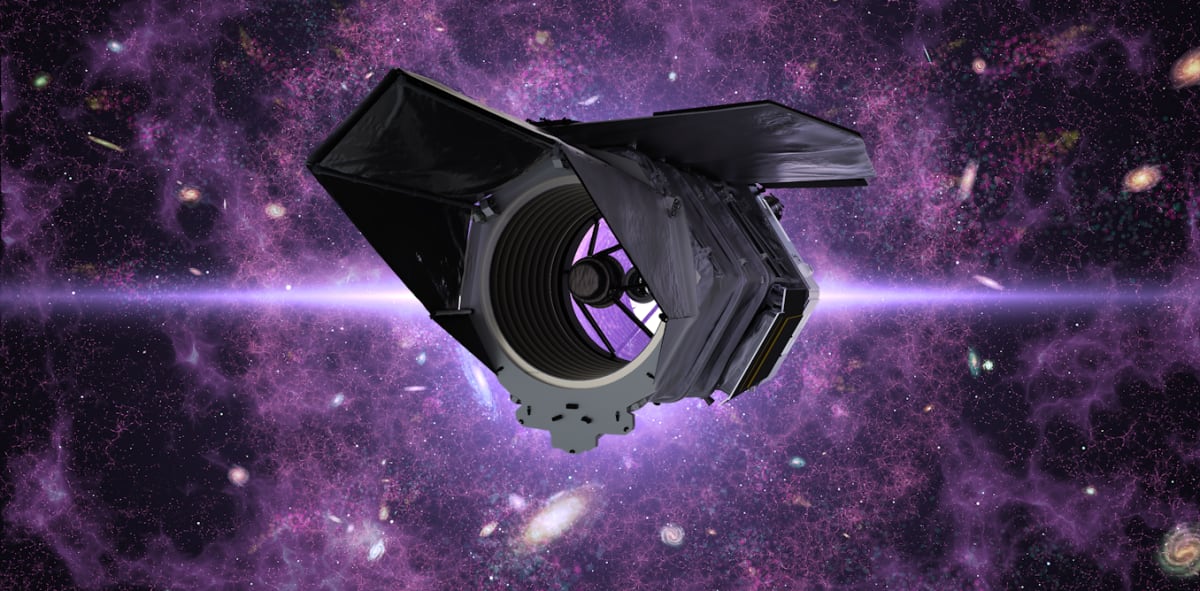
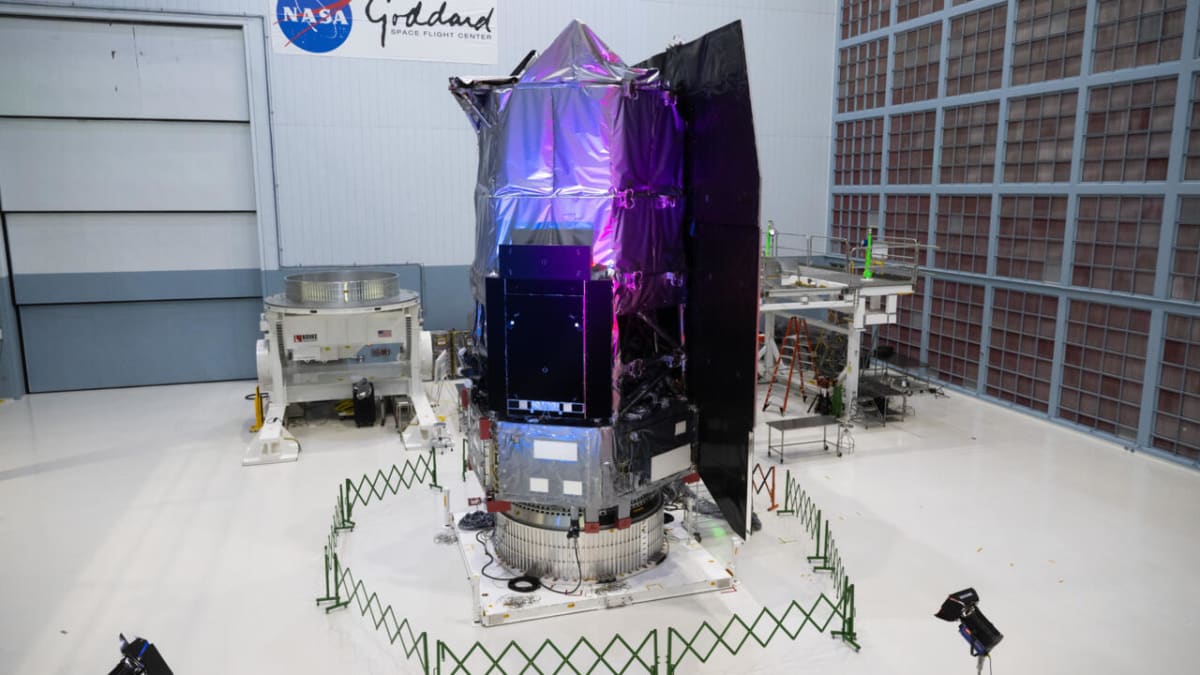
Three powerful new space telescopes launching in 2026 will map billions of galaxies and search for habitable worlds, marking a turning point in how humanity explores the universe. Meanwhile, astronauts will travel around the moon for the first time in over 50 years.

Space.com3 min read

Showing 20 of 37