NASA Launches Telescope to Map Billions of Galaxies
NASA's most powerful space telescope launched Sunday to explore the universe's biggest mysteries, from discovering thousands of new planets to revealing what dark matter and dark energy actually are. The Nancy Grace Roman Space Telescope will give anyone with an internet connection access to its discoveries.
A telescope 100 times more powerful than Hubble just lifted off to answer questions about what the universe is really made of.
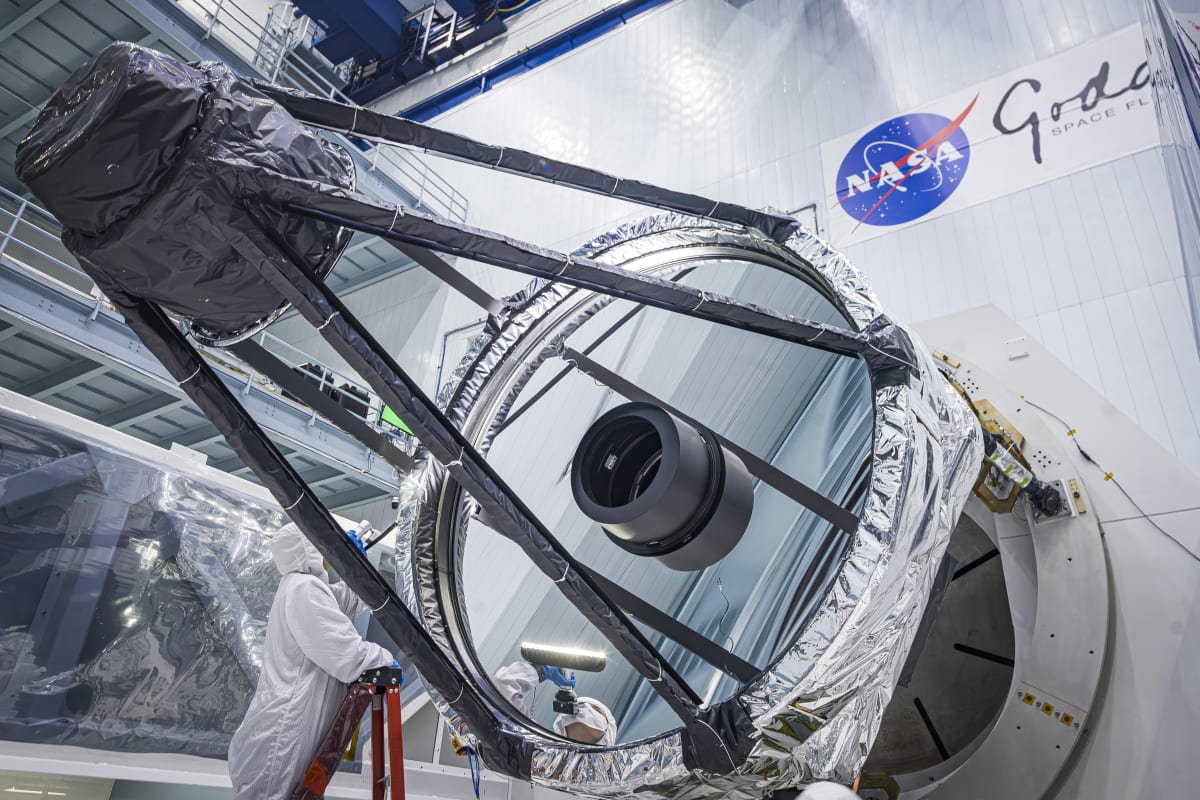
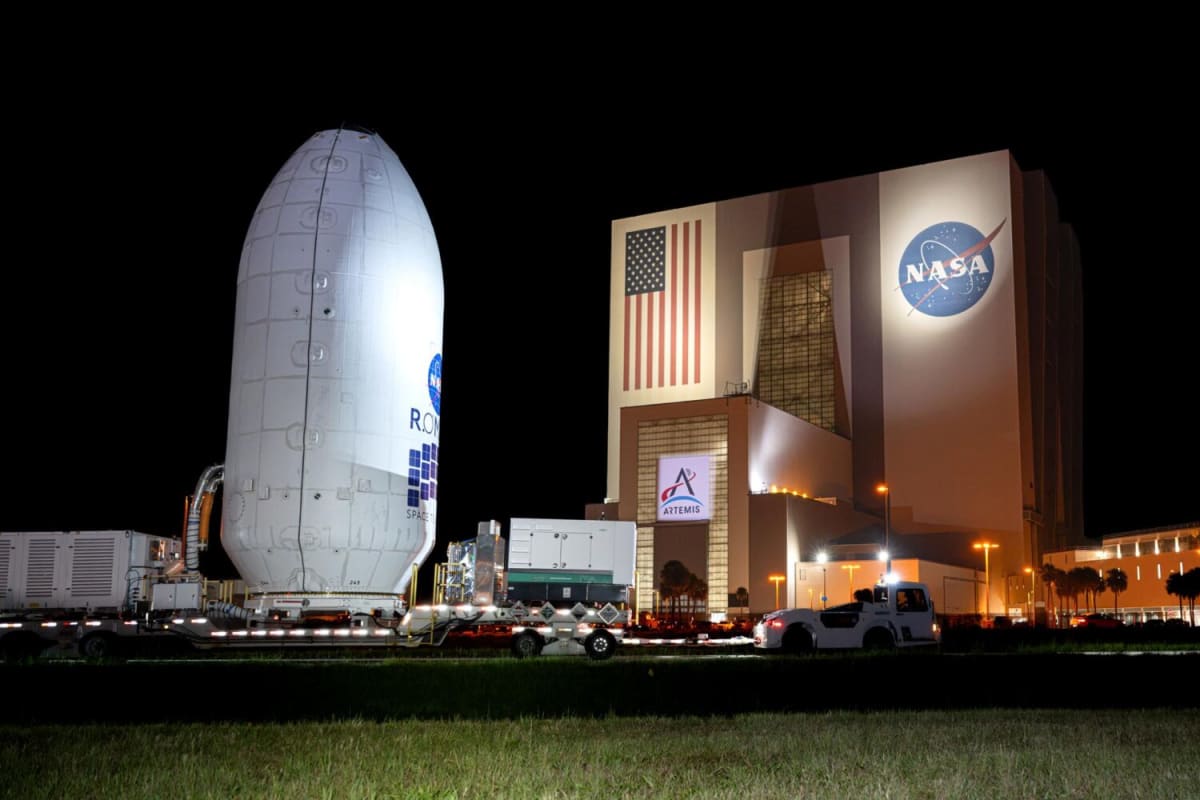
NASA's Nancy Grace Roman Space Telescope launched Sunday morning from Kennedy Space Center in Florida. The spacecraft will map billions of galaxies and stars while hunting for thousands of new planets beyond our solar system.
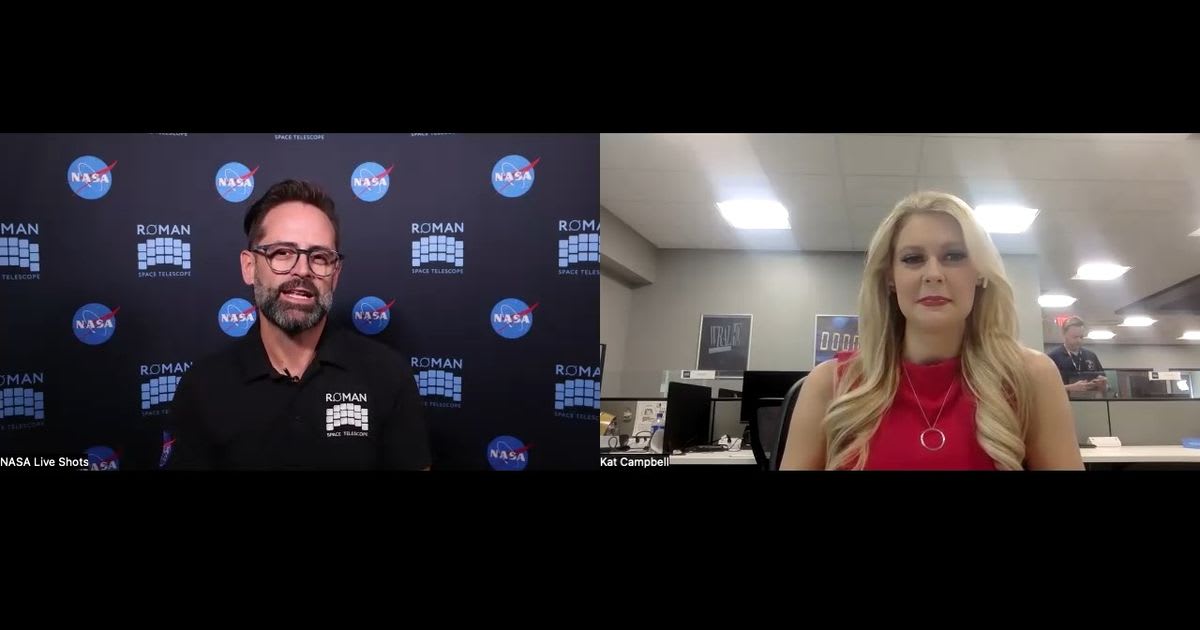
"This is the best tool we have ever developed to study the universe," said Lucas Paganini, program executive for the Roman mission. The telescope has a field of view at least 100 times larger than Hubble's, comparable to 32 4K televisions displaying a single image.
The telescope tackles one of science's most humbling mysteries: we don't actually know what most of the universe is made of. Everything we can see, from stars to planets to people, makes up only a small portion of existence. The rest is dominated by mysterious dark matter and dark energy that scientists are still trying to understand.
Roman will spend its mission collecting clues that could completely change what we think we know about the cosmos. It will generate about 1.4 terabytes of data every single day, all aimed at understanding how galaxies form, evolve, and what invisible forces shape our universe.
The telescope honors a true pioneer. Nancy Grace Roman was NASA's first chief astronomer and understood that humanity's biggest questions could only be answered by putting telescopes above Earth's atmosphere. "She was a trailblazer," Paganini said, whose work paved the way for space telescopes including Hubble.
Why This Inspires
Here's what makes this mission special: the data won't stay locked in NASA labs. After a three-month setup period, all of Roman's discoveries will become publicly available. Students in North Carolina, researchers anywhere in the world, and curious minds everywhere can analyze the same information NASA scientists use.
"You don't have to be with NASA in order to take a look at the data, analyze it," Paganini explained. That means the next big discovery about our universe could come from a high school classroom or a researcher working from their laptop.
The telescope represents years of work from thousands of people, all driven by humanity's ancient need to understand our place in the cosmos. But unlike our ancestors who could only wonder at the night sky, we now have tools that can peer billions of light years away and reveal secrets the universe has kept since the beginning of time.
After years of preparation, the search for answers to some of humanity's biggest questions has officially begun.
Based on reporting by Google News - Science
This story was written by BrightWire based on verified news reports.
Spread the positivity!
Share this good news with someone who needs it