NASA Unveils $4B Roman Space Telescope This Fall
NASA's newest space telescope is ready to transform our understanding of the universe, with a launch planned between autumn 2026 and May 2027. The Nancy Grace Roman Space Telescope can survey the sky 100 times wider than Hubble, unlocking mysteries about dark matter, dark energy, and distant planets.
After years of engineering and billions of dollars invested, NASA's next game-changing space telescope is complete and ready to show us the universe like never before.
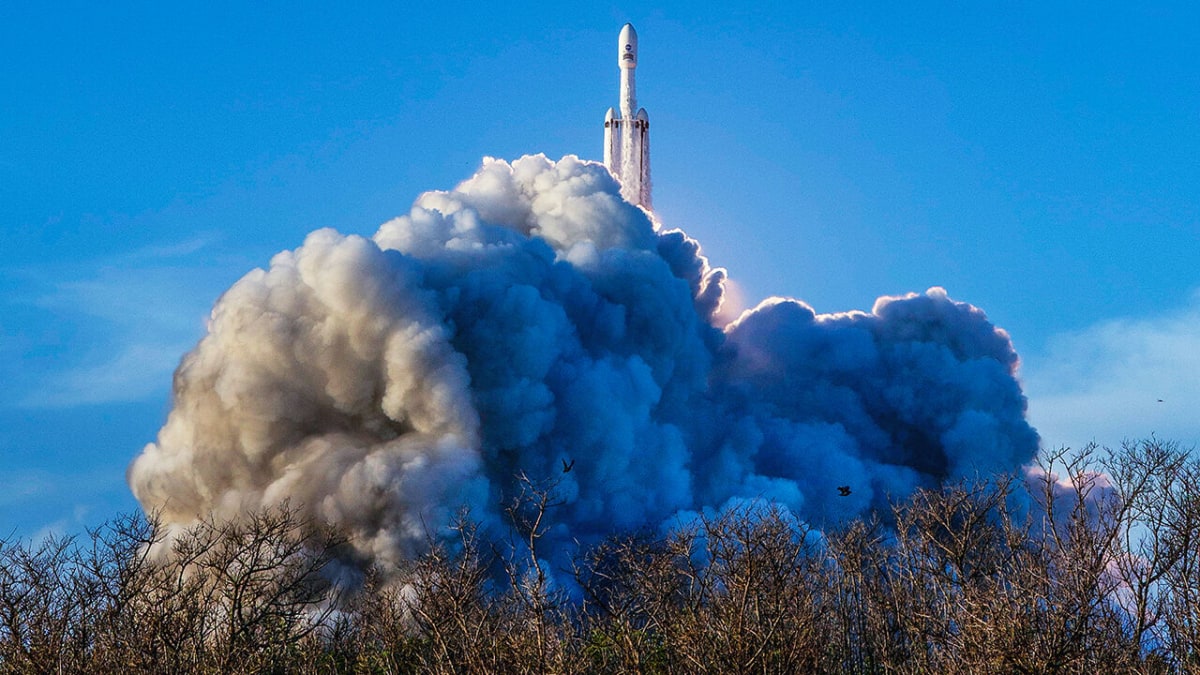
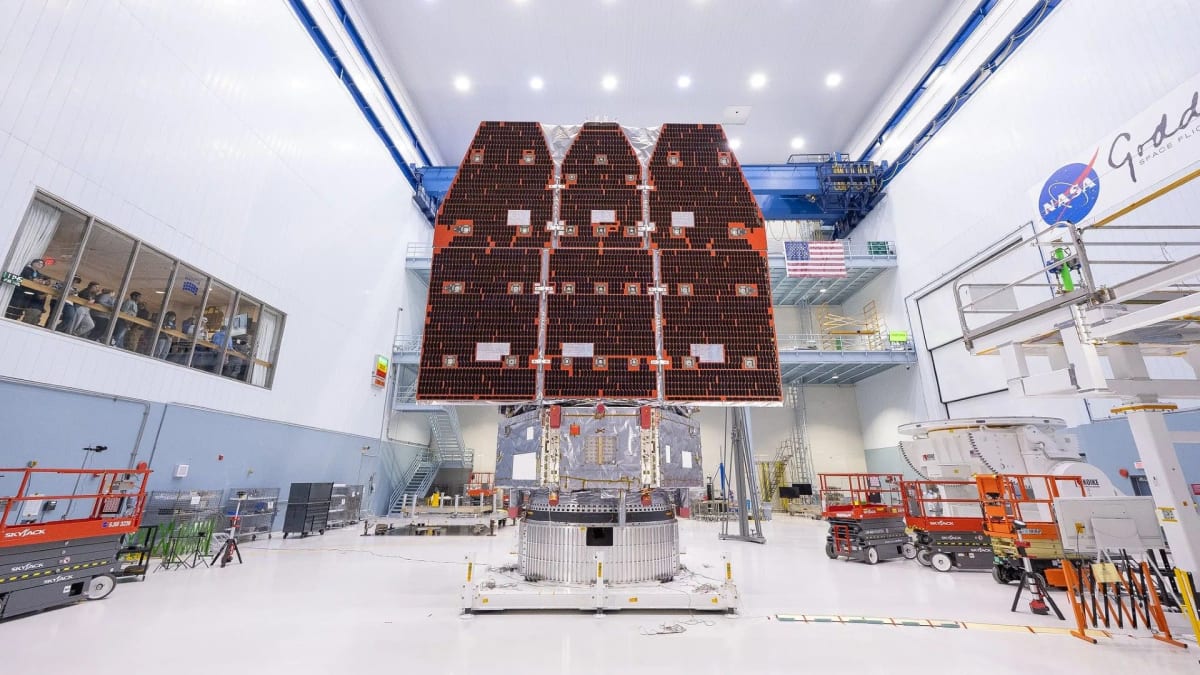
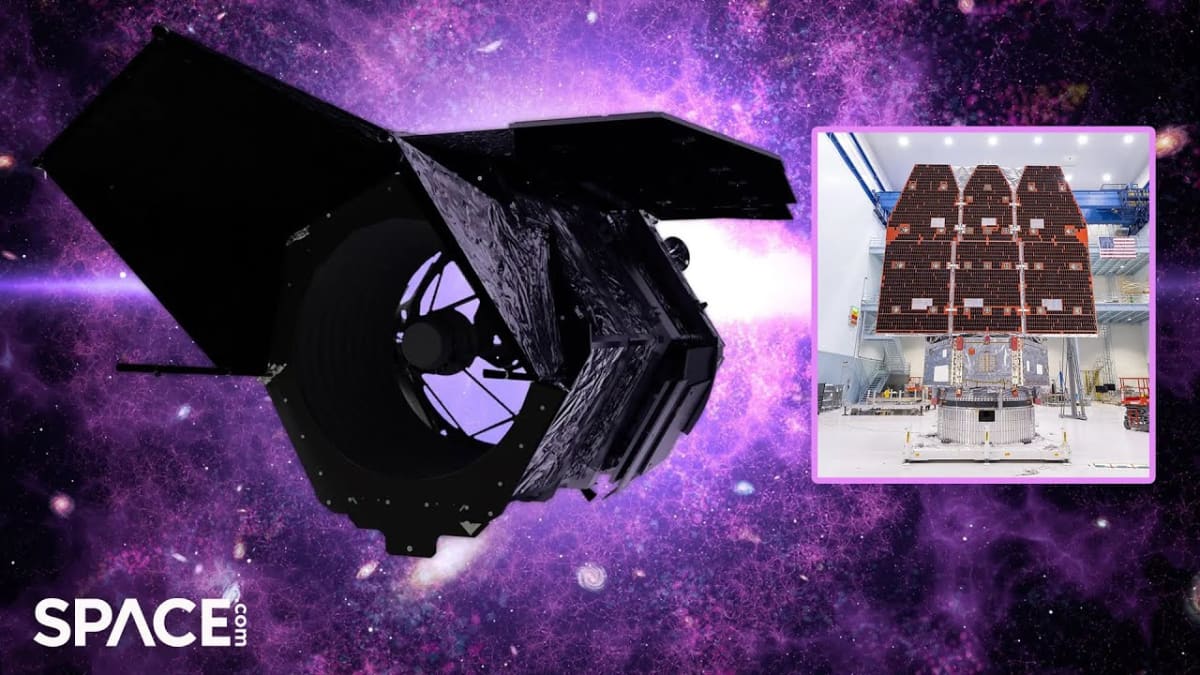
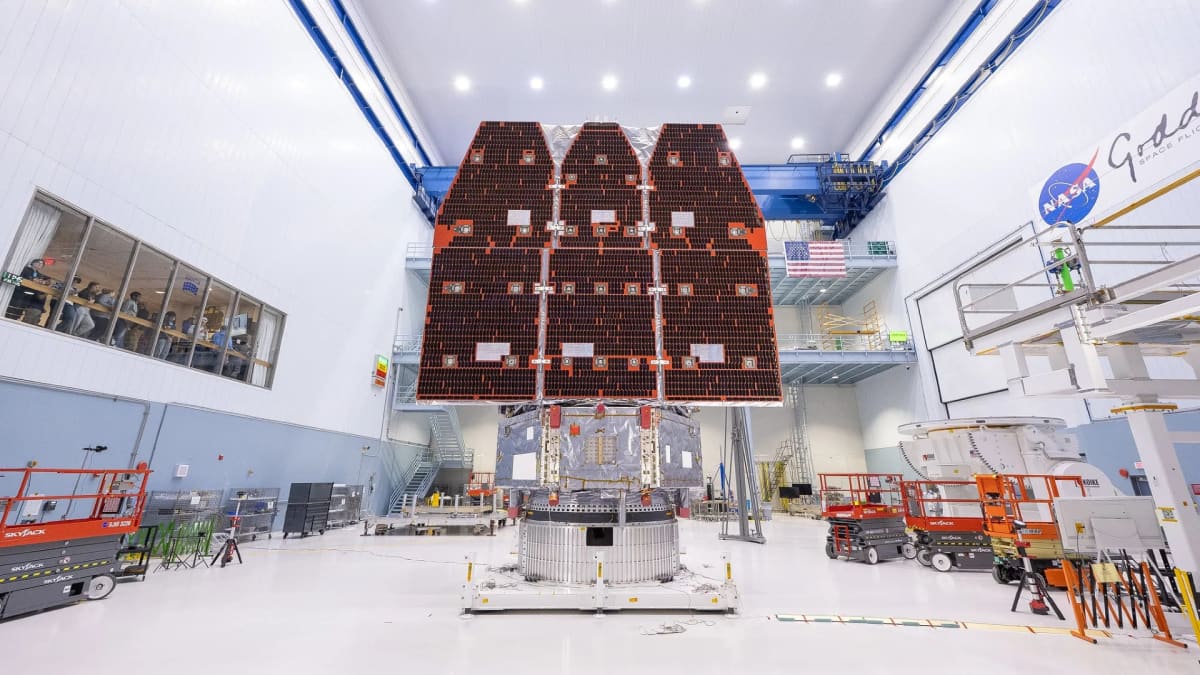
The Nancy Grace Roman Space Telescope will launch aboard a SpaceX Falcon Heavy rocket between autumn 2026 and May 2027. The telescope, which cost more than $4 billion to build, was fully assembled at NASA's Goddard Space Flight Center in Maryland and is now undergoing final testing before its journey to Florida's Kennedy Space Center.
Roman carries a mirror the same size as the legendary Hubble Space Telescope at 8 feet across. But here's where it gets exciting: while Hubble zooms in on tiny details, Roman will capture a field of view 100 times larger, allowing scientists to survey vast stretches of space in single observations.
The telescope will tackle some of the biggest questions in cosmology. Scientists plan to use Roman to study dark matter and dark energy, the mysterious forces that shape how our universe formed, evolved, and continues expanding.
Roman will also conduct a special survey of the central bulge of our Milky Way galaxy. Using a technique called gravitational lensing, where bent starlight reveals hidden objects, the telescope will hunt for distant exoplanets by detecting tiny flickers and distortions in starlight as planets pass in front of their host stars.
The Ripple Effect
The Roman telescope represents more than just new hardware in space. It opens the door to discoveries that could reshape our understanding of existence itself, from finding Earth-like worlds around distant stars to mapping the invisible scaffolding of dark matter that holds galaxies together.
Every wide-field image Roman captures will create a treasure trove of data for scientists to mine for decades. Researchers who haven't even started their careers yet will make breakthrough discoveries from Roman's observations.
The telescope honors Nancy Grace Roman, NASA's first chief astronomer, who fought for space telescopes when many thought they were impossible. Her legacy now points toward the stars in the most literal way.
NASA Administrator Jared Isaacman and the mission team revealed the completed telescope at a briefing on April 21, marking a milestone years in the making. The countdown to launch has officially begun, bringing us closer to seeing the universe through humanity's most ambitious cosmic surveyor yet.
More Images


Based on reporting by Space.com
This story was written by BrightWire based on verified news reports.
Spread the positivity!
Share this good news with someone who needs it