Scientists Find Black Hole Winds After 50-Year Search
After half a century of searching, astronomers finally spotted powerful winds blowing from the supermassive black hole at our galaxy's center. The breakthrough solves a cosmic mystery and proves our Milky Way isn't so different from other galaxies after all.
Astronomers just cracked a mystery that's puzzled them for 50 years, and their reaction says it all: "There it is."
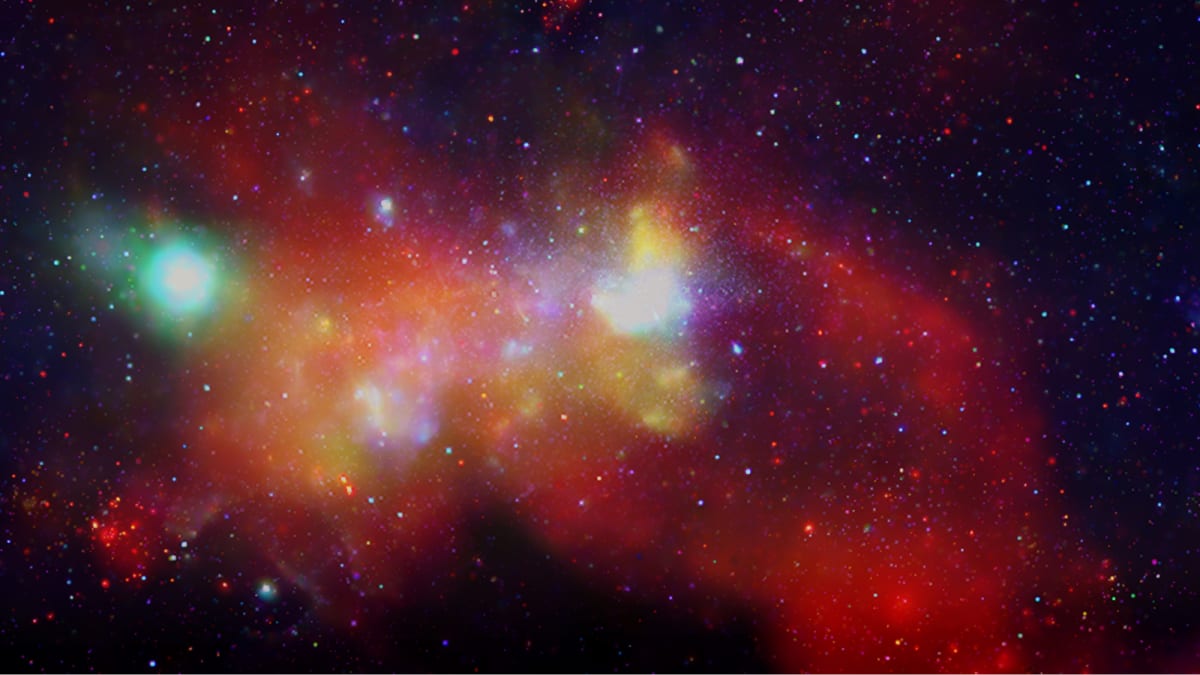
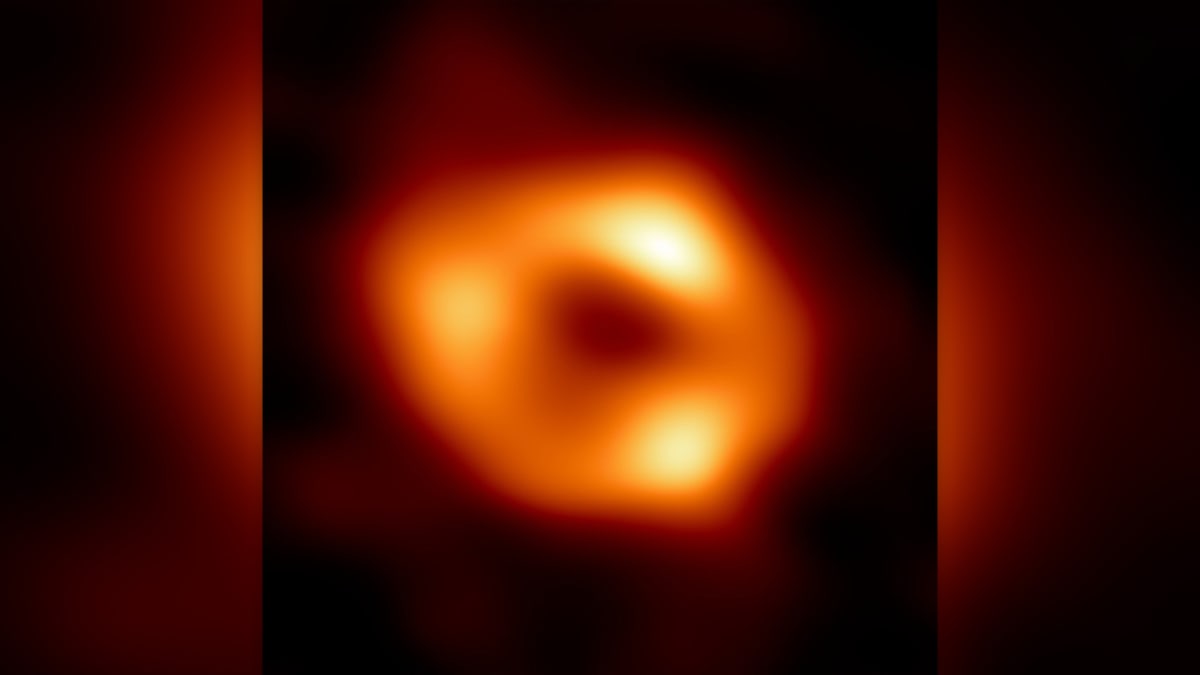
For the first time ever, scientists have clear evidence of winds blowing from Sagittarius A*, the supermassive black hole sitting at the heart of our Milky Way. The discovery confirms what researchers long suspected but couldn't prove: even our quietly feeding black hole behaves like the powerful ones in other galaxies.
"Unless a black hole exists in a perfect vacuum, it must blow a wind somehow," said Northwestern University researcher Mark Gorski. "And there is no perfect vacuum in the universe."
Finding these winds wasn't easy. Sagittarius A* is an incredibly picky eater, consuming so little matter that the human equivalent would be eating one grain of rice every million years. Plus, thick clouds of gas and dust block our view from Earth, making observations extremely challenging.
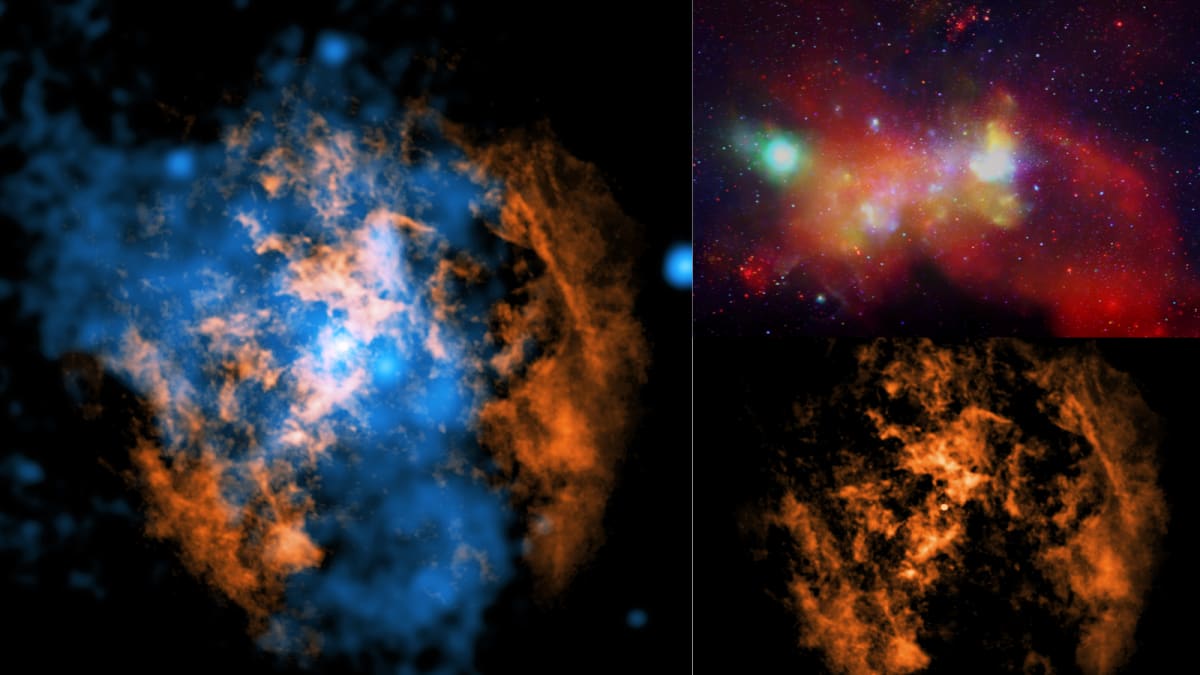
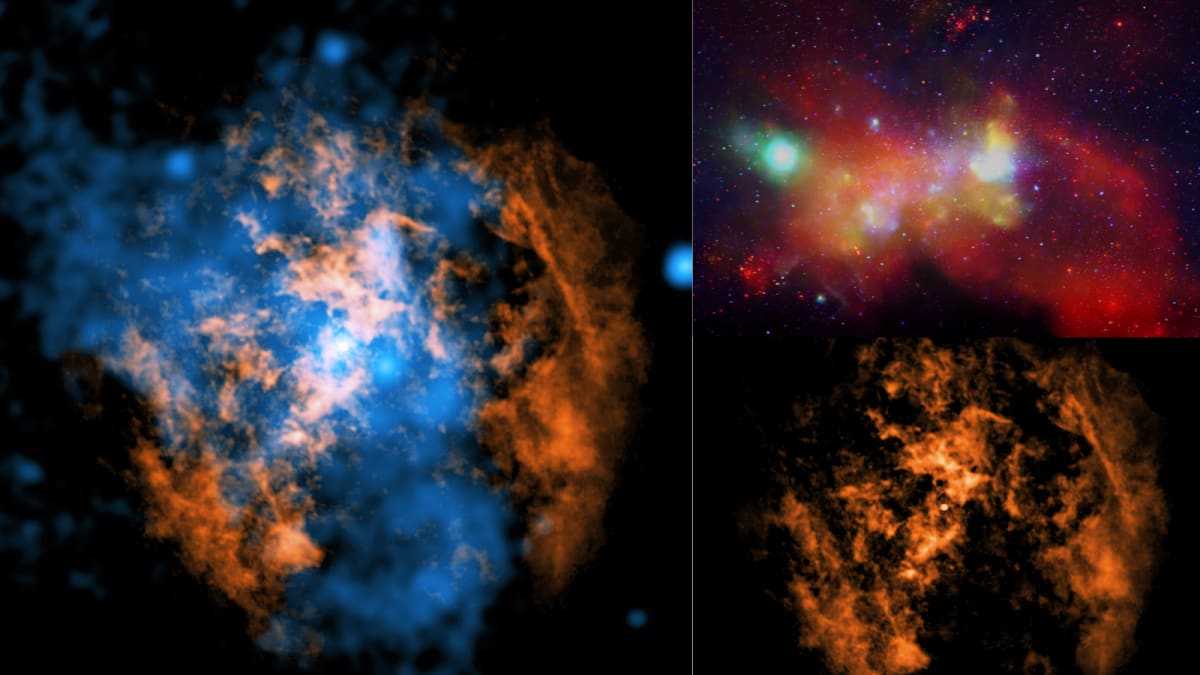
The breakthrough came from five years of sharp observations by Chile's Atacama Large Millimeter Array, 66 radio antennas working together to peer through the cosmic fog. What they found stunned the team: a massive cone-shaped cavity in cold gas, stretching three light-years long and pointing directly at the black hole.
Something had to carve out that enormous empty space. The researchers calculated the energy needed and discovered that nearby stars couldn't produce enough power on their own. The culprit had to be winds from the black hole itself, either pushing cold gas aside or heating it up completely.
To confirm their discovery, the team cross-checked with NASA's Chandra X-ray telescope. The X-ray images lined up perfectly with the cavity, showing hot emissions exactly where the cold gas was missing.
Why This Inspires
This discovery proves something beautifully reassuring about our place in the cosmos. "The wind shows that our black hole is not unique, and our place in the universe is not unique," explained team co-leader Lena Murchikova.
After 50 years of searching, persistence paid off. New technology and patient observation revealed what was hiding in plain sight all along. The winds have likely been blowing for 20,000 years, patiently waiting for us to develop tools sensitive enough to spot them.
The finding deepens our understanding of how black holes work throughout the universe, not just in distant galaxies but right here at home. Even the quietest black holes follow the same fundamental rules of physics as their more dramatic cousins.
Sometimes the biggest breakthroughs come from refusing to give up on a question, even when the answer stays hidden for half a century.
More Images

Based on reporting by Space.com
This story was written by BrightWire based on verified news reports.
Spread the positivity!
Share this good news with someone who needs it