Viking I Landed on Mars 50 Years Ago, Sparked Life Hunt
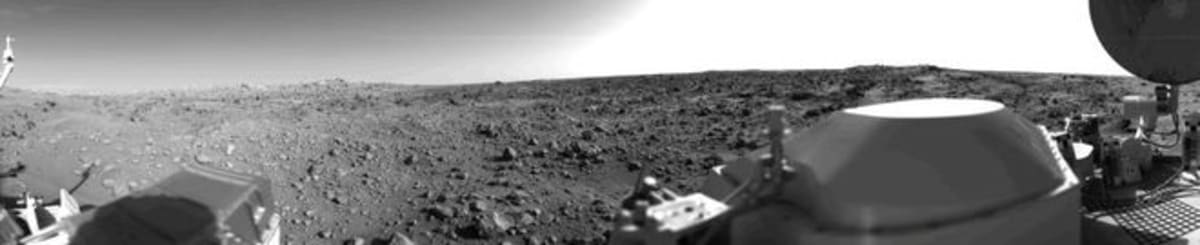
Fifty years ago, NASA's Viking I became the first spacecraft to successfully land on Mars, transforming our neighboring planet from science fiction dreams into scientific reality. The mission didn't find little green men, but it launched five decades of discovery that continues today.
When Viking I touched down on Mars on July 20, 1976, it marked humanity's first successful landing on another planet. That single moment transformed Mars from a world of imagination into a laboratory for real science.
NASA wasn't looking for aliens. Scientists suspected the Red Planet might host microscopic life, so they packed Viking I with three separate experiments to test Martian soil for signs of metabolism and respiration.
The twin Viking spacecraft conducted groundbreaking research on Mars in the late 1970s. Viking I operated for more than six years, sending data back to Earth and paving the way for every Mars mission that followed.
"Viking transformed Mars from a world of speculation into one of scientific exploration," says Aaron McKinnon, NASA's science communication lead who recently studied the mission's archived notebooks and original engineering plans.
The experiments produced mixed results that scientists initially found puzzling. Two tests showed no clear evidence of life, while one sparked debates that lasted years before researchers concluded unexpected Martian surface chemicals, not biology, caused the surprising readings.
Why This Inspires
What Viking I discovered proved even more valuable than finding microbes. The mission revealed that liquid water once flowed on Mars, opening up exciting possibilities for ancient life that scientists are still pursuing today.
The data Viking collected nearly half a century ago remains useful right now. A 2025 study just used information from the Viking II landing site to analyze how water might form on Mars today.
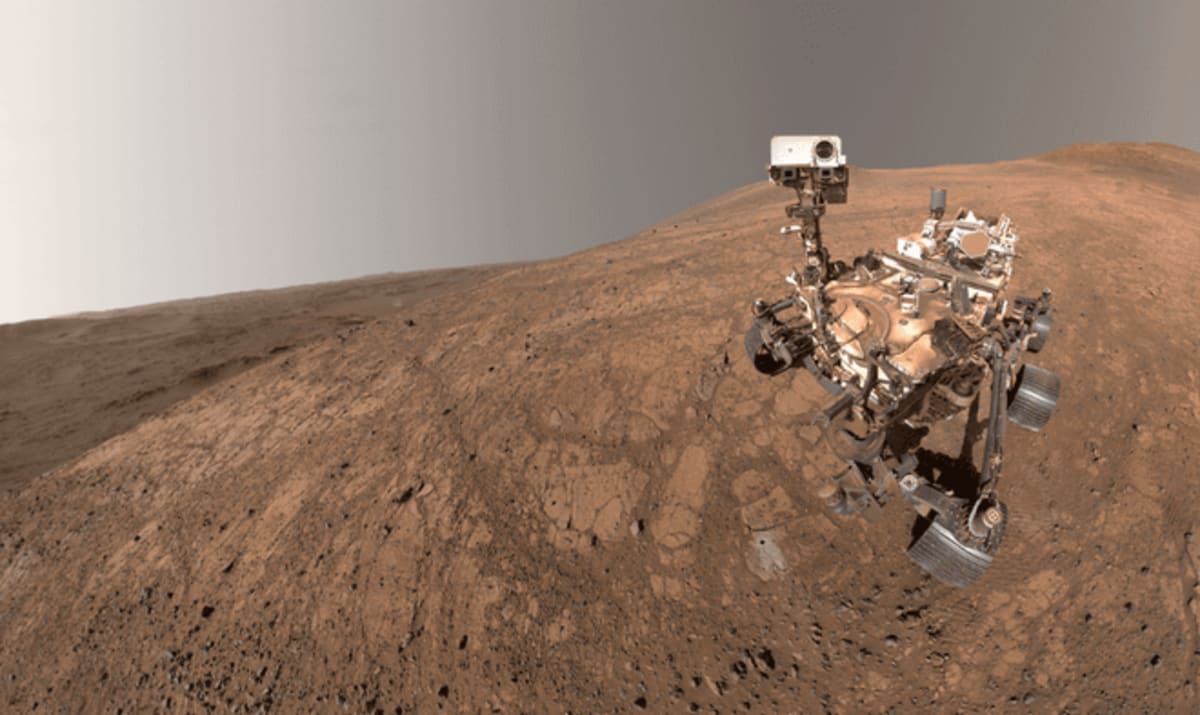
Today's Perseverance rover represents the technological grandchildren of those pioneering Vikings. NASA has maintained a continuous presence on Mars since 1997, with each mission building on Viking's foundation.
McKinnon reviewed the original scientists' notebooks and found something remarkable. The questions researchers scribbled down 50 years ago mirror the same mysteries today's scientists are investigating, just with better tools and deeper understanding.
"Fifty years later, we're still asking many of the same questions about Mars, but with better tools, better data, and an even greater appreciation for how difficult the search for life really is," McKinnon notes.
Viking I's six-year mission held the record for longest extraterrestrial surface operation until the Opportunity rover surpassed it with 14 years of service. Each mission proves we're getting better at exploring worlds beyond Earth.
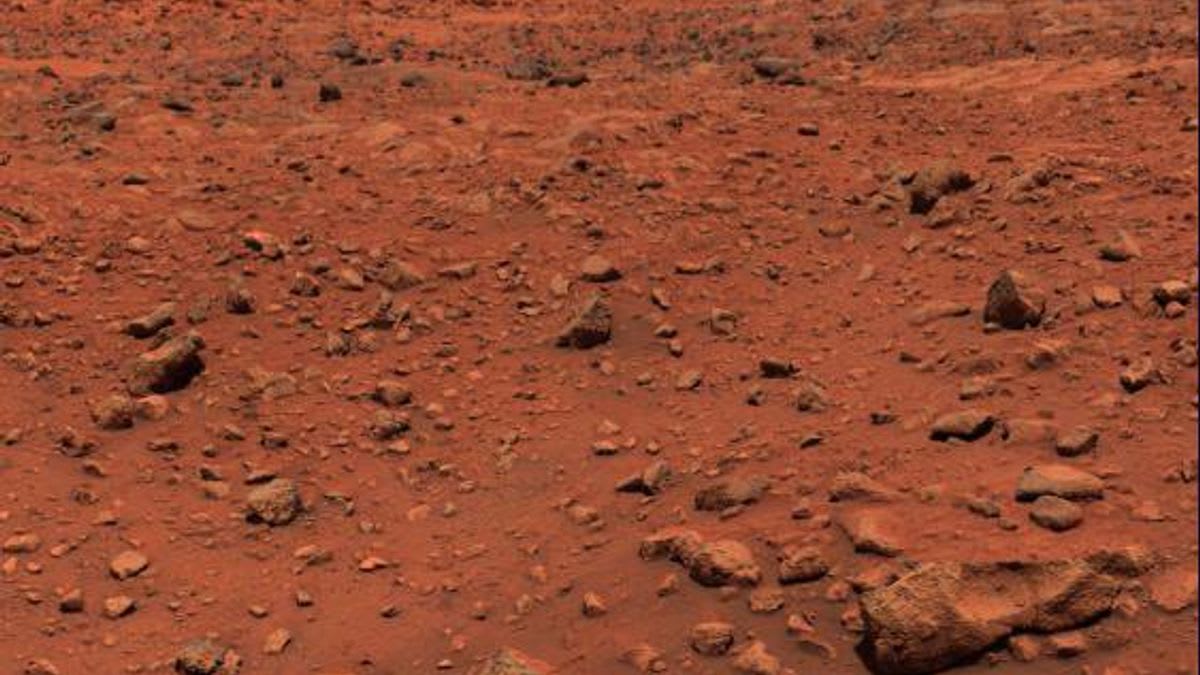
The legacy lives on in every rover rolling across Martian dust today, still searching for answers to questions first asked when Viking I's cameras sent back that first panoramic view of an alien world.
More Images

Based on reporting by Google: NASA discovery
This story was written by BrightWire based on verified news reports.
Spread the positivity!
Share this good news with someone who needs it