NASA's Roman Telescope Launches On Time and Under Budget
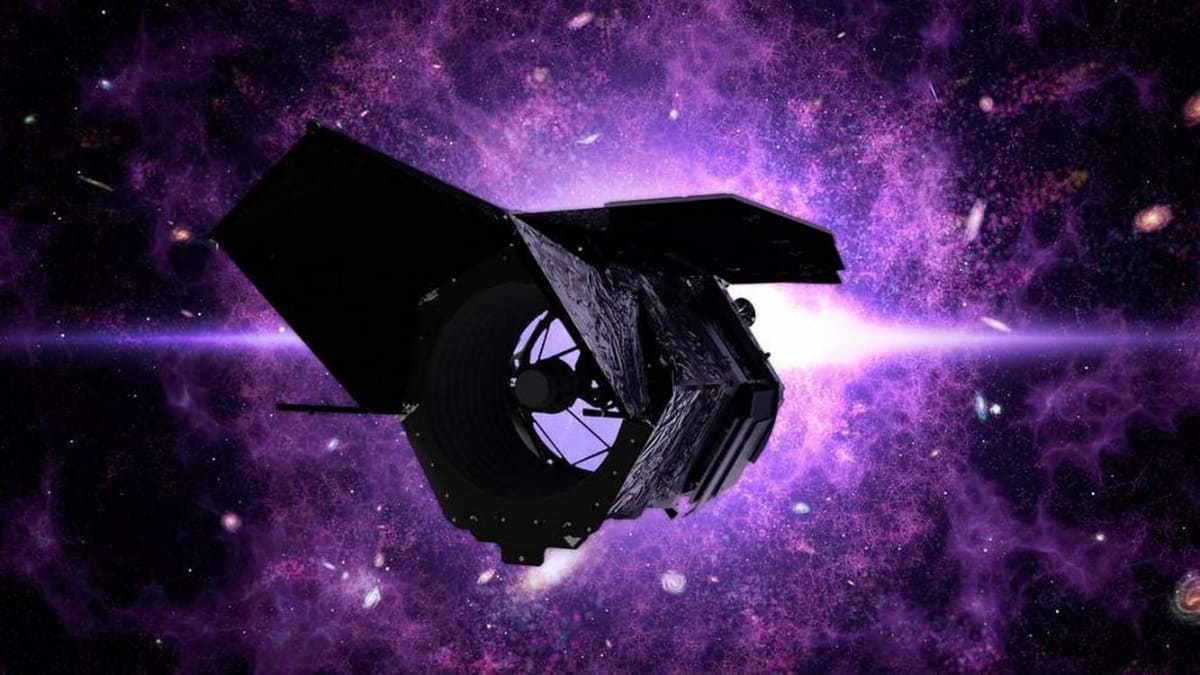
NASA's $4 billion Nancy Grace Roman Space Telescope separated from its rocket 31 minutes after launch, marking a rare spaceflight achievement: finishing ahead of schedule and under budget. The next-generation observatory is now headed to its cosmic parking spot to unlock mysteries of dark matter and distant worlds.
Twenty years of work floated free into the darkness of space on Sunday, and for once in spaceflight history, everything went better than planned.
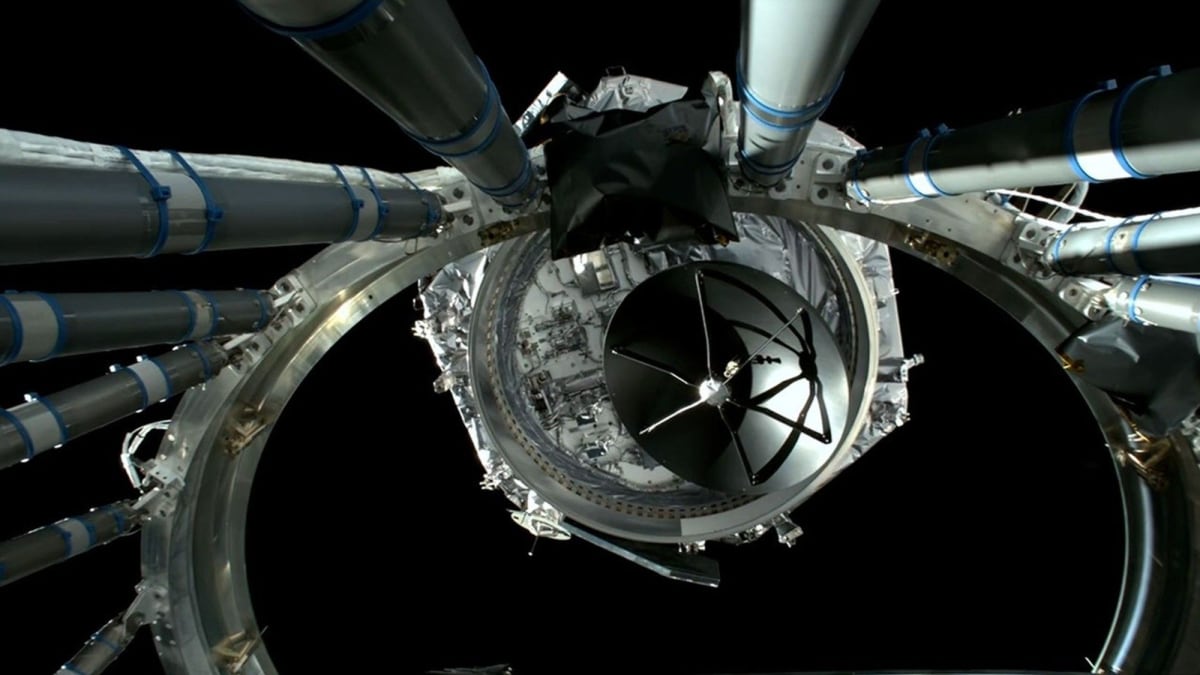
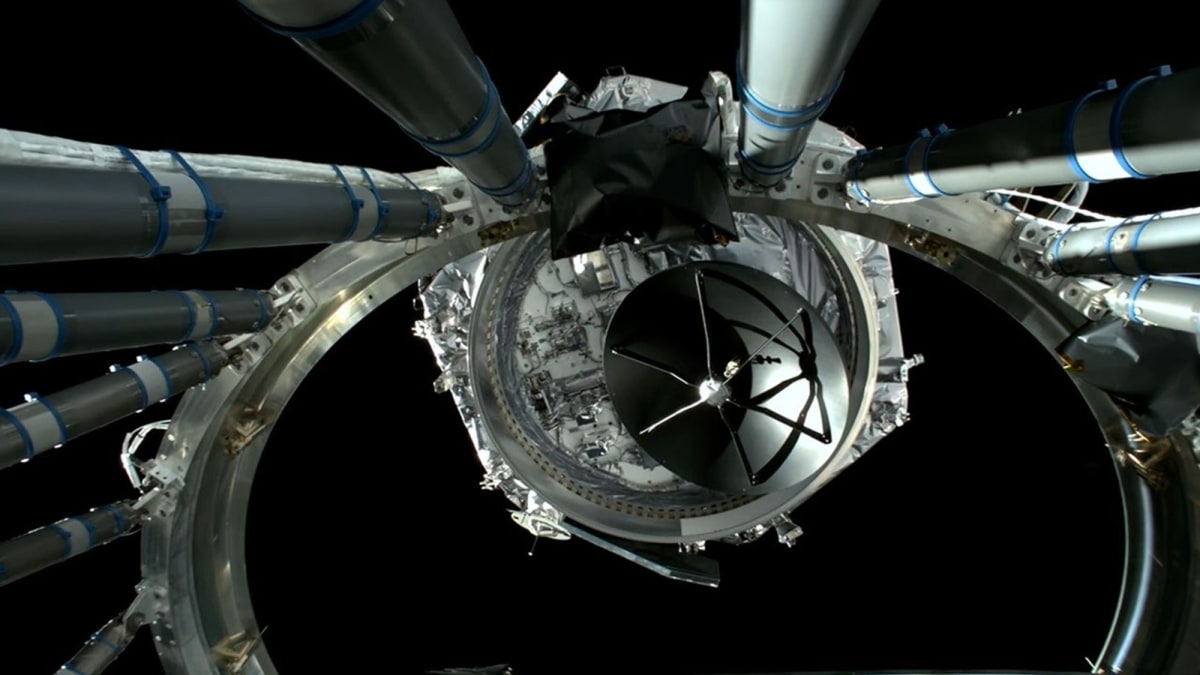
NASA's Nancy Grace Roman Space Telescope separated from its SpaceX Falcon Heavy rocket just 31 minutes after lifting off from Kennedy Space Center in Florida on August 30. The breathtaking image captured by NASA shows the observatory drifting into the blackness with its solar arrays still folded, beginning its solo journey through space.
This wasn't just another satellite launch. The $4 billion telescope finished development ahead of schedule and under budget, something almost unheard of in the spaceflight world where delays and cost overruns have become the norm.
The photograph reveals the back of the telescope, where a high-gain antenna dish sits ready to beam groundbreaking science back to Earth. In the foreground, the payload adapter that connected Roman to the rocket floats nearby, its job complete.
Now the telescope faces a 90-day commissioning period as it travels to sun-Earth Lagrange Point 2, a gravitationally stable spot in space about a million miles from Earth. This cosmic parking spot, shared with other major observatories, offers an ideal vantage point for studying the universe.
Why This Inspires
Roman represents more than cutting-edge technology. It shows what happens when engineering teams get the time and resources they need without constant budget crises forcing shortcuts and delays.
The telescope will tackle some of the universe's biggest questions. Its mission includes probing the mysteries of dark matter and dark energy, the invisible forces that make up most of our universe but remain poorly understood.
Roman will also hunt for exoplanets around distant stars, potentially discovering worlds that could harbor life. Its wide field of view will let it survey huge swaths of space, complementing the detailed close-ups from telescopes like James Webb.
The successful launch proves that ambitious science missions can still come in on time and on budget when properly managed. That's a win for taxpayers and a win for everyone who believes space exploration expands humanity's horizons.
After two decades of work, Roman's journey has just begun.
More Images

Based on reporting by Space.com
This story was written by BrightWire based on verified news reports.
Spread the positivity!
Share this good news with someone who needs it