September 2026: Best Skywatching Month in Years
September brings the Harvest Moon, peak Venus brightness, and one last chance to see the Milky Way's core before spring. Step outside and look up.
September 2026 might be the best month all year to reconnect with the night sky, and it doesn't require special equipment or expert knowledge.
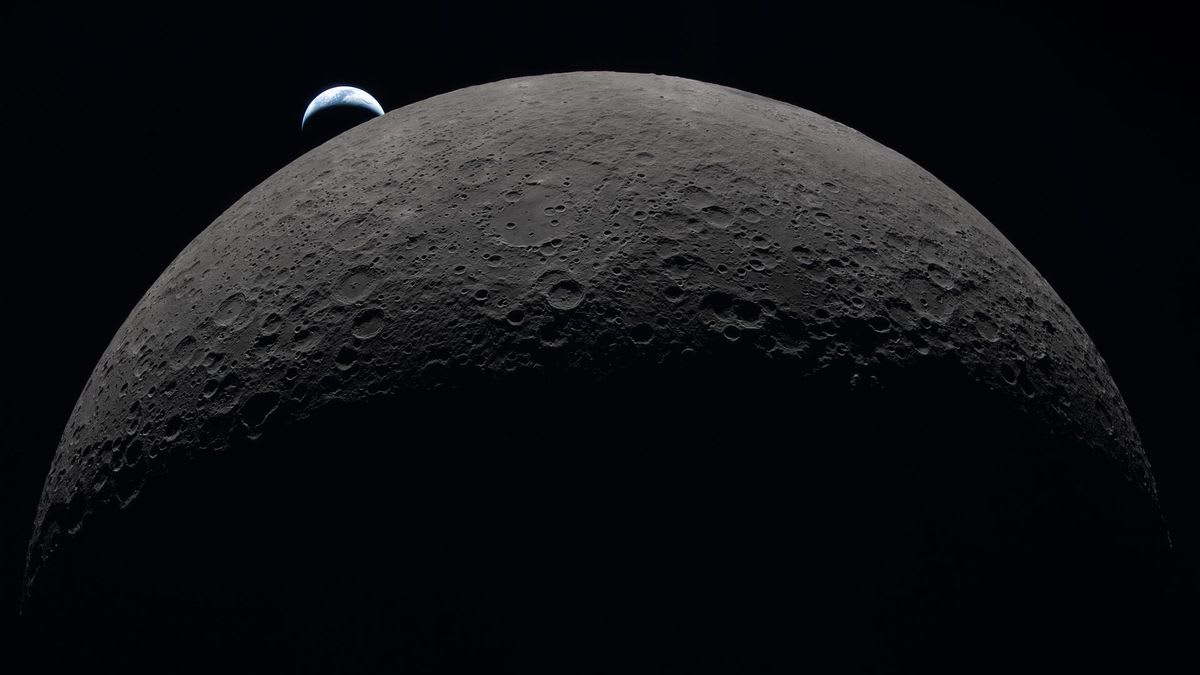
The month kicks off with a celestial meet-up on September 6 when the crescent moon and Mars appear side by side in the pre-dawn sky. Set an alarm for 3 a.m., look east, and you'll spot them within three finger widths of each other. Wait 90 minutes and Jupiter rises behind them, with Saturn glowing to the southwest.
September 11 and 12 mark the new moon, when lunar glow disappears and the sky goes properly dark. This is your window to see the Milky Way's core spreading across the sky in a way that's impossible from suburban streets. Get to a national park or rural road an hour from town and give your eyes 20 minutes to adjust.
On September 14, no early alarm needed. Just after sunset, look west for a thin crescent moon appearing near Venus, visible together for about an hour before they dip below the horizon.
Venus hits peak brightness on September 18, reaching its most brilliant point of the entire year. Even from a lit-up neighborhood, it's genuinely easy to spot near the western horizon just after sunset.
The Ripple Effect
September's sky shows bring more than just pretty views. The autumn equinox on September 22 opens aurora season, when Earth's tilt creates ideal conditions for northern lights. While solar activity may be winding down from its 11-year peak, this year could still deliver spectacular shows at higher latitudes.
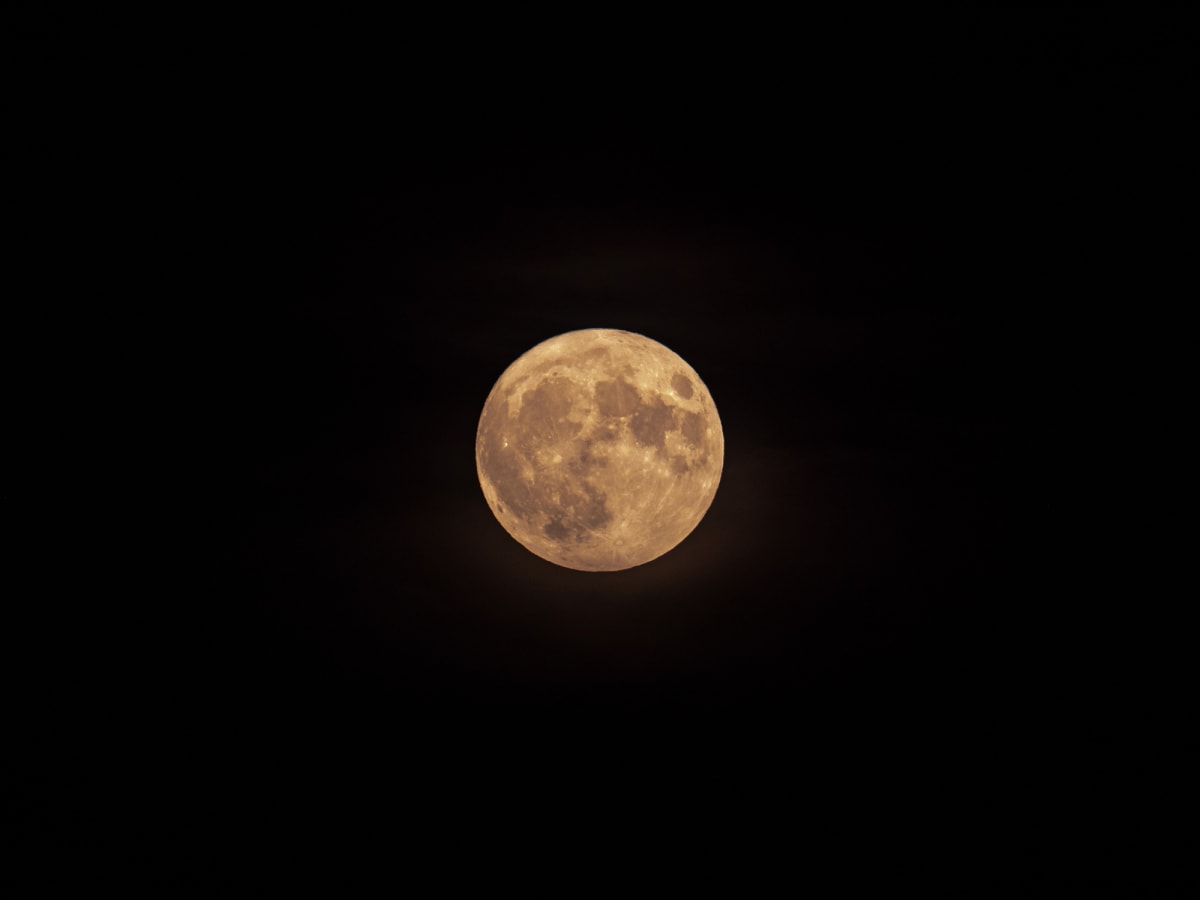
The Harvest Moon rises on September 26, arriving close to sunset just as it did for farmers who relied on that early moonrise for harvest light. Watch it near the horizon when the moon illusion makes it look largest and deepest orange. Saturn follows within six degrees all night.
All month long, the Andromeda Galaxy becomes visible as a faint smudge from dark locations. It's the closest major galaxy to our own, and binoculars bring out surprising detail.
The best part: none of this requires expensive gear orastrophotography skills, just willingness to step outside and look up.
Based on reporting by Optimist Daily
This story was written by BrightWire based on verified news reports.
Spread the positivity!
Share this good news with someone who needs it