NASA's $4.3B Roman Telescope Launches to Map the Universe
NASA successfully launched the Nancy Grace Roman Space Telescope, a revolutionary infrared observatory that will help scientists understand dark energy and map 20 billion stars in our galaxy. The telescope joins two other observatories to create an unprecedented trio that will transform our understanding of the cosmos.
A massive infrared camera just reached orbit, and it's about to unlock mysteries that have puzzled scientists for decades.
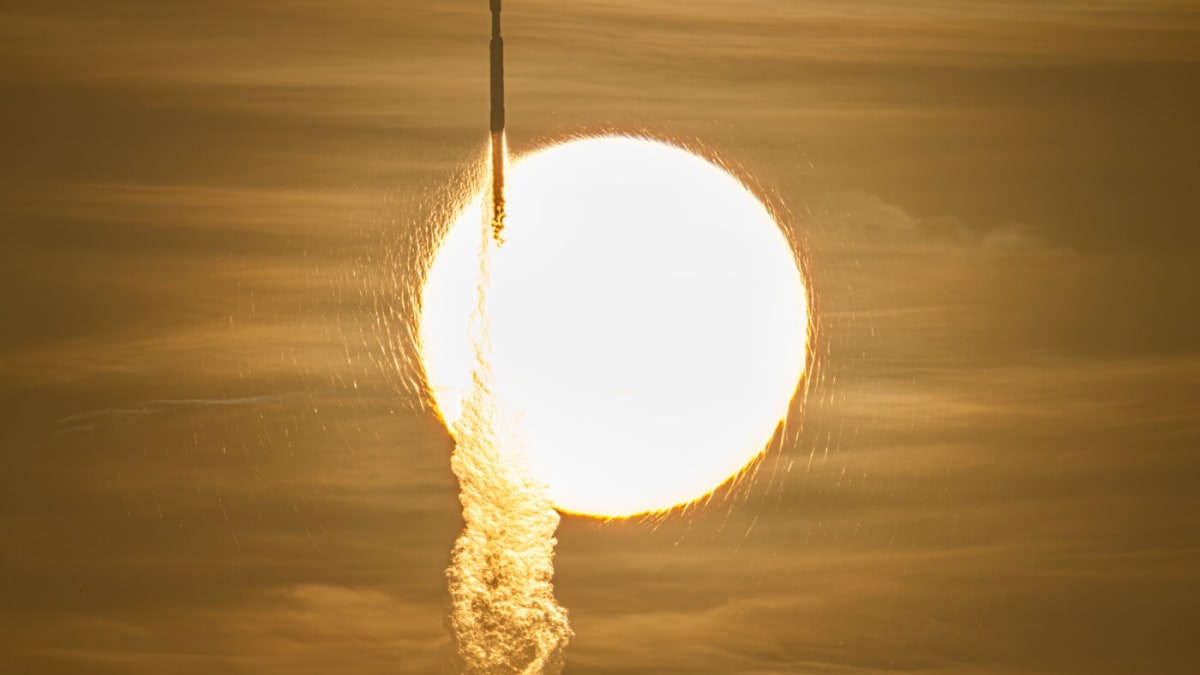
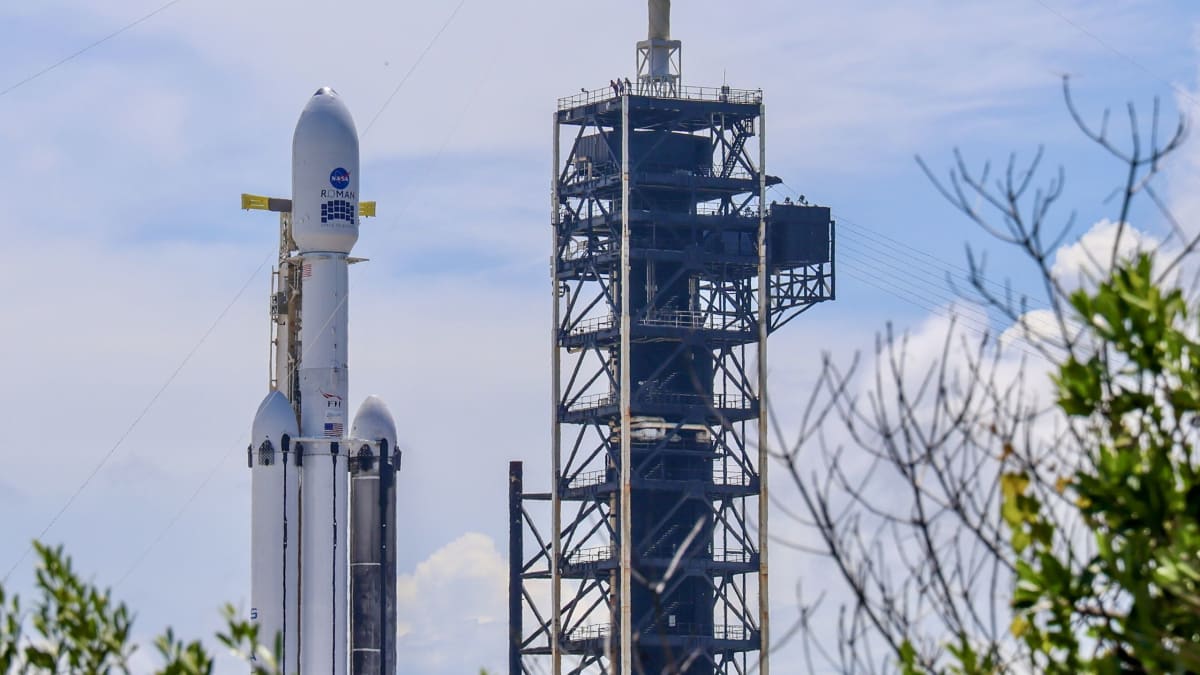
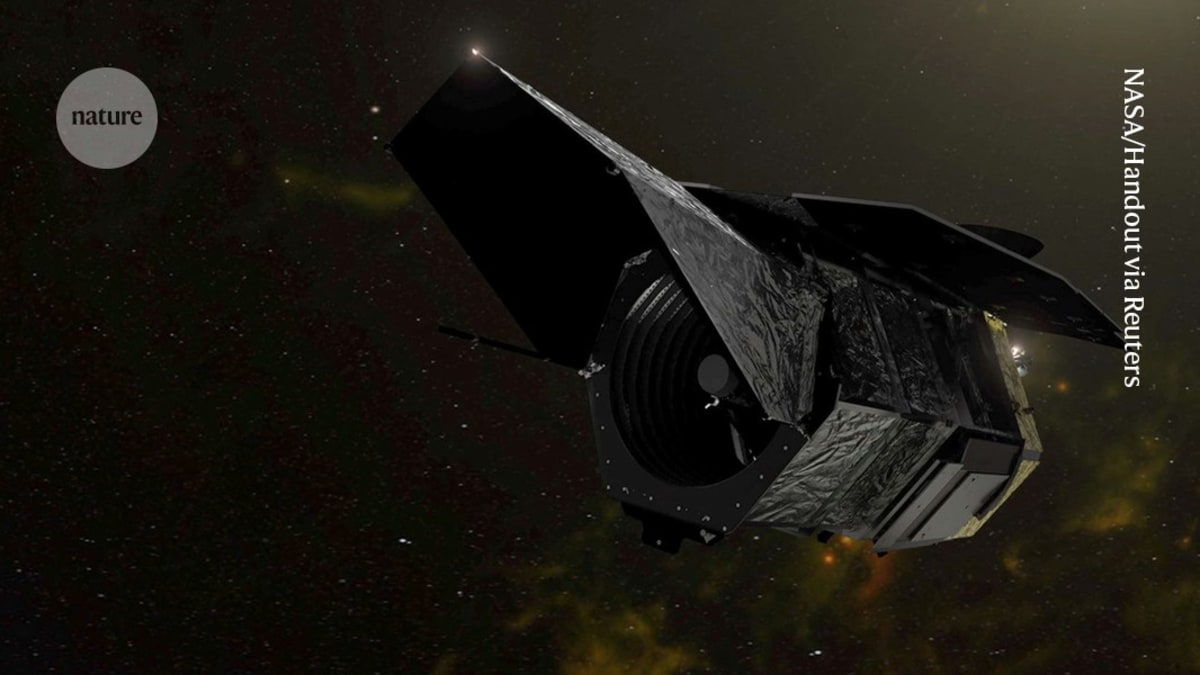
NASA's Nancy Grace Roman Space Telescope lifted off flawlessly this morning from Kennedy Space Center in Florida, beginning a mission that promises to reshape our understanding of the universe. The $4.3 billion observatory carries the largest infrared digital camera ever built and a 2.4-meter mirror originally designed for spy satellites.
The telescope is named after Nancy Grace Roman, NASA's first chief astronomer who helped create the Hubble Space Telescope program. Her pioneering work paved the way for the infrared powerhouse now heading to its observation post in space.
Roman's 300-megapixel camera can capture images covering an area as large as the full moon in a single shot. That's 100 times wider than what the James Webb Space Telescope can see at once, allowing Roman to spot thousands of cosmic events that other telescopes will then study in detail.
The telescope will tackle one of science's biggest puzzles: dark energy, the mysterious force making the universe expand faster and faster. By tracking thousands of distant supernova explosions across billions of years, Roman will help scientists figure out whether dark energy has stayed constant or changed over time.
Closer to home, the telescope will map an unprecedented 20 billion stars in the Milky Way. Its infrared vision can pierce through the dusty clouds that block visible light, revealing stars hidden deep inside our galaxy's center that no other mission could see clearly.
The Ripple Effect
Roman completes a powerful trio of sky-mapping observatories working together. The Vera Rubin Observatory in Chile opened in 2025, while Europe's Euclid space telescope has been operating since 2023.
Each telescope brings unique strengths. Roman excels at taking frequent, deep infrared images. Euclid has the widest field of view. Rubin provides ground-based observations across the southern sky.
Tony Tyson, a physicist at the University of California, Davis, calls the combined effort "revolutionary." The three observatories will generate unprecedented amounts of data, creating astoundingly detailed maps of the cosmos that reveal how our universe evolved over billions of years.
Rachel Mandelbaum, an astrophysicist at Carnegie Mellon University, explains that Roman's infrared sensitivity lets it peer into the universe's deep past. Light from the most distant galaxies gets stretched into longer, redder wavelengths during billions of years of cosmic expansion, making them invisible to telescopes that only see visible light.
The telescope will also discover millions of planets orbiting distant stars and capture cosmic events as they unfold. When Roman spots something interesting, astronomers can quickly follow up with detailed observations using the James Webb Space Telescope and other observatories.
This successful launch represents decades of planning that began in the 1990s after scientists discovered the universe's expansion was accelerating. What started as a proposal to study supernovae evolved into today's flagship mission.
The future of astronomy just got brighter, one infrared image at a time.
More Images
Based on reporting by Nature News
This story was written by BrightWire based on verified news reports.
Spread the positivity!
Share this good news with someone who needs it