NASA Launches Roman Telescope to Find 100,000 New Planets
NASA's $4.3 billion Nancy Grace Roman Space Telescope launched Sunday to scan the universe faster than any observatory before it. The telescope could discover 100,000 new planets and unlock mysteries about dark matter and dark energy.
A telescope that could answer humanity's biggest questions just began its journey to scan the cosmos at record speed.
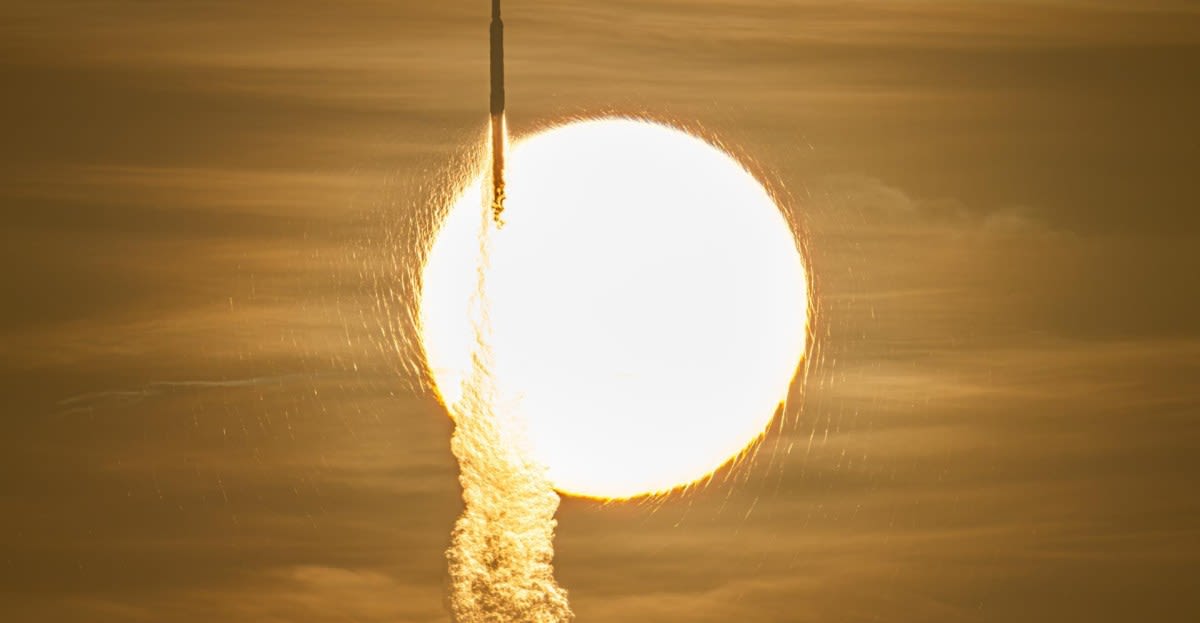
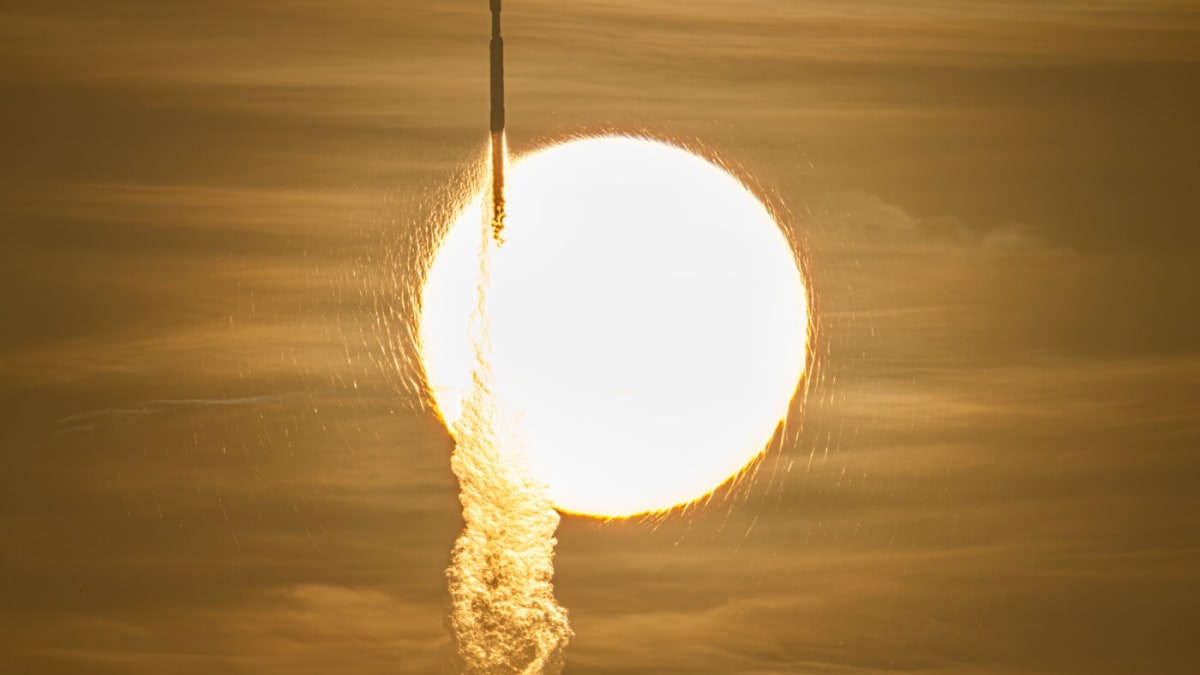
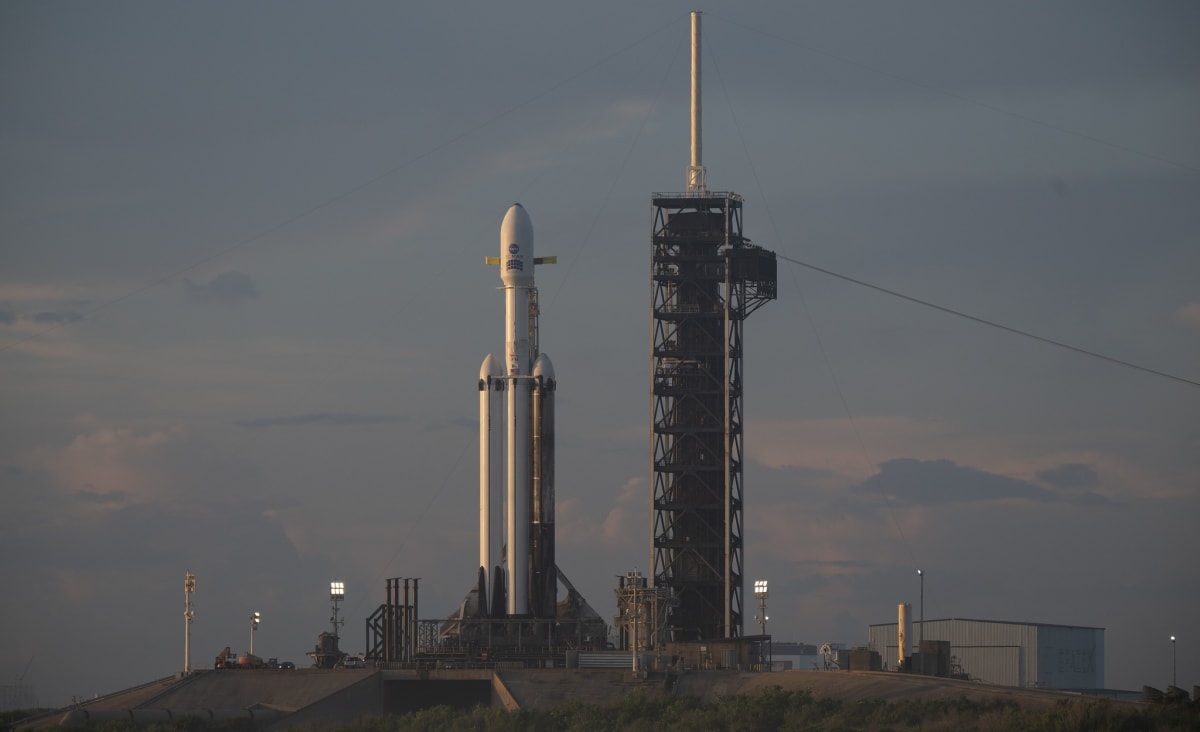
NASA launched the Nancy Grace Roman Space Telescope on Sunday morning from Kennedy Space Center in Florida. The $4.3 billion observatory lifted off at 6:26 a.m. Central time aboard a SpaceX Falcon Heavy rocket, beginning a three-month journey to its destination one million miles from Earth.
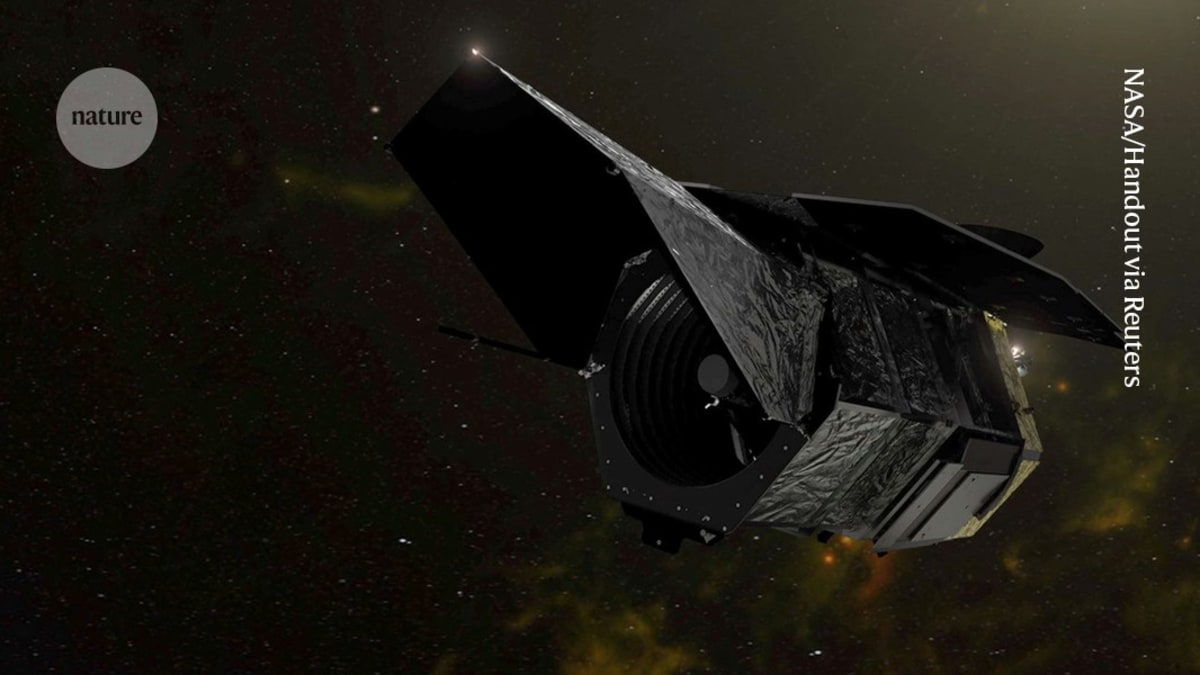
Roman will orbit the sun in line with our planet, giving it a perfect vantage point to survey vast stretches of space. What makes this telescope special is its speed and scope. One month of Roman observations would take Hubble a century to complete.
"We're going to be surveying patches of the sky, going back over and over again, to find new things that go bump in the night," said Julie McEnery, Roman's senior project scientist at NASA. "I very much hope, and in fact expect, that the most exciting science from Roman is going to be the things that we didn't expect."
The telescope honors Nancy Grace Roman, NASA's first chief astronomer who died in 2018. Often called the mother of Hubble, she championed observatories that could fly above Earth's hazy atmosphere and see the universe clearly.
Roman's mission tackles mysteries that have puzzled scientists for decades. Dark matter acts like invisible glue holding the universe together, but researchers don't know what it's made of. Dark energy makes up 68% of the universe and causes space to expand faster and faster, yet NASA admits it knows little about how it works.
Learning more about these invisible forces could reveal how our universe really operates, McEnery explained. The telescope will also hunt for distant worlds, potentially adding 100,000 new planets to the 6,300 already cataloged by scientists.
Why This Inspires
Rice University astronomy professor Megan Reiter expects Roman to transform how we study space. Her team investigates whether stars forming planets get affected by their neighbors. Roman's panoramic vision will capture the same regions repeatedly, creating detailed images that show changes over time.
"Our universe puts on spectacular cosmic displays every second, but these events happen very quickly and often elude our telescopes," McEnery said. "With Roman's panoramic vision, we'll not only catch these events but see several at once."
The telescope will spend at least five years studying the universe, with its first images expected in 2027. Scientists from Houston to universities around the world are already preparing for the flood of data.
Roman represents more than technological achievement—it embodies humanity's drive to understand our place in the cosmos and discover if we're alone.
Based on reporting by Google News - Scientists Discover
This story was written by BrightWire based on verified news reports.
Spread the positivity!
Share this good news with someone who needs it