NASA's Roman Telescope Launches to Map the Universe
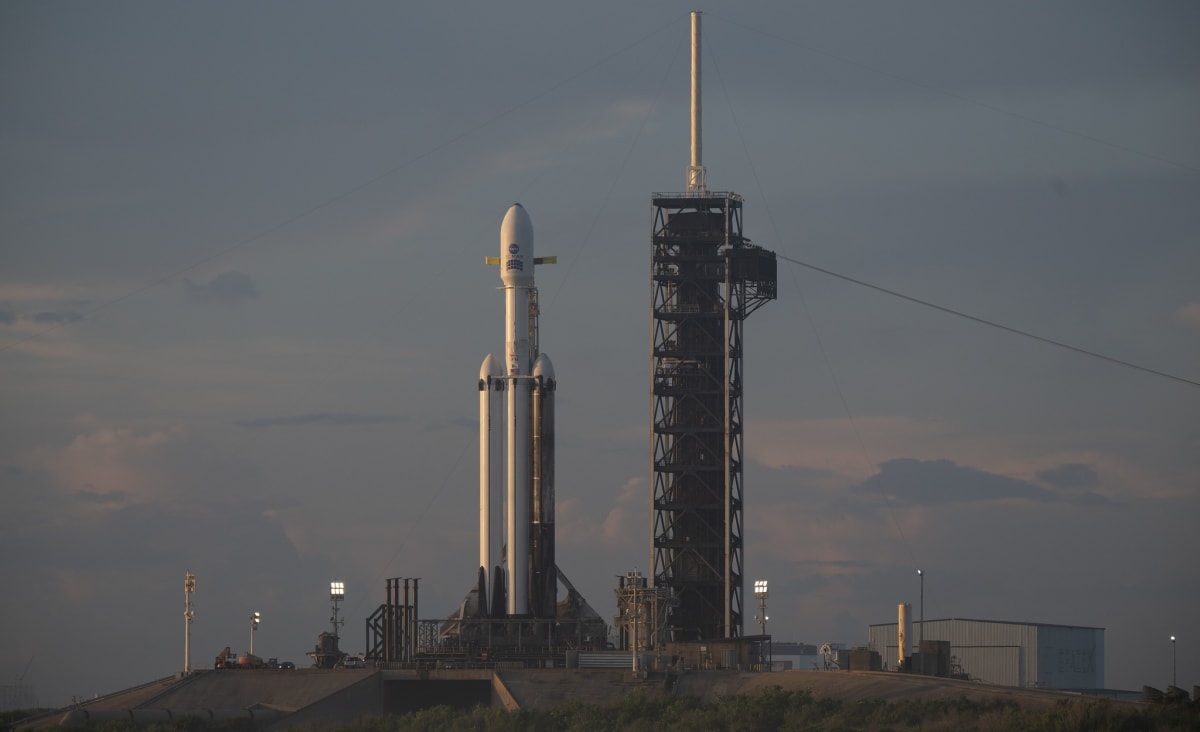
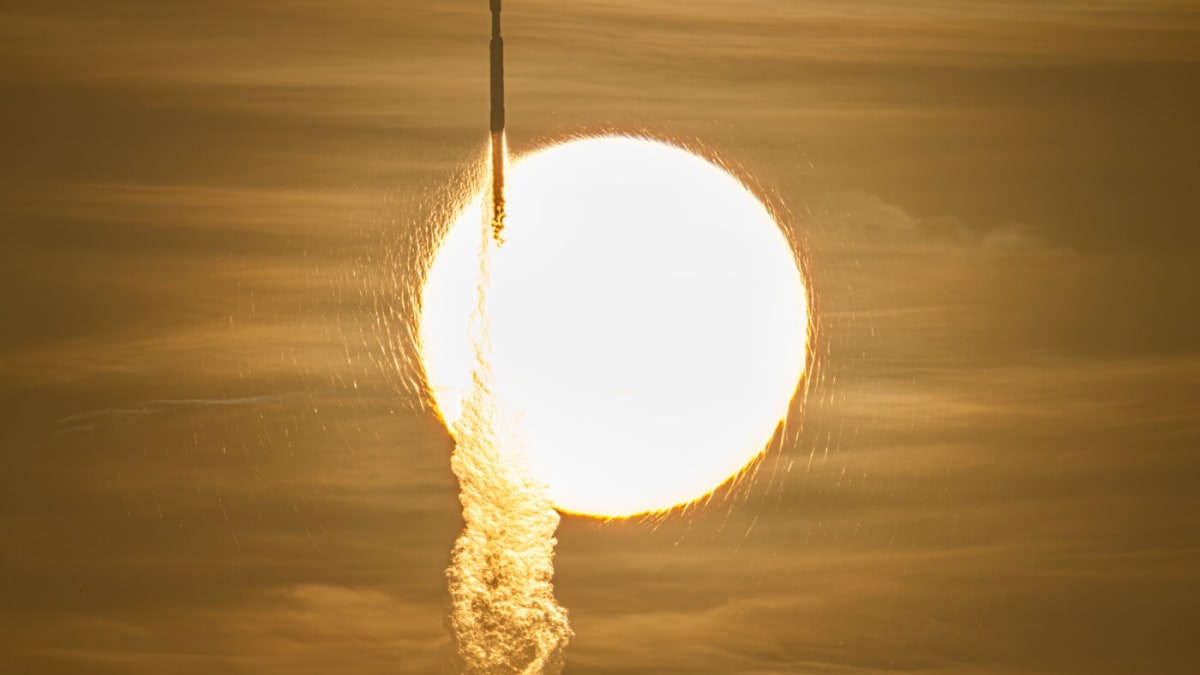
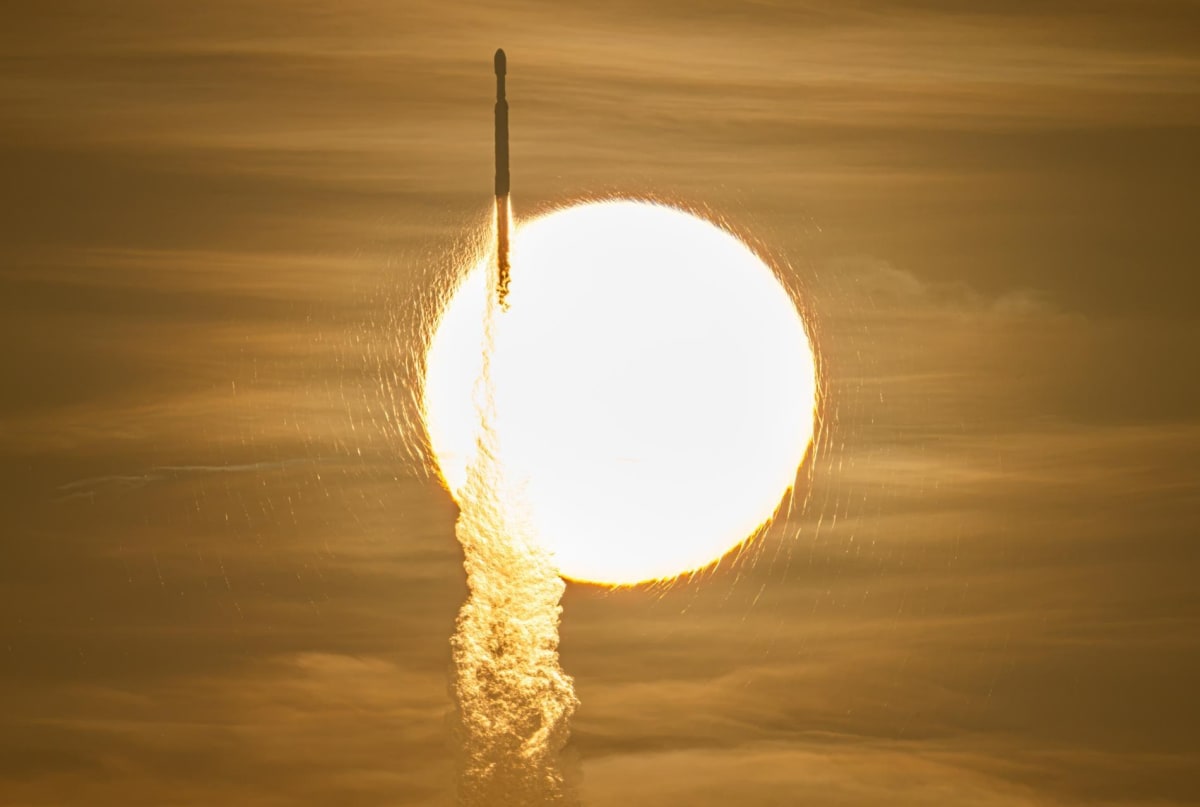
After years of funding struggles, NASA's Nancy Grace Roman Space Telescope has successfully launched on a mission to unlock the universe's biggest mysteries. The telescope will survey space 1,000 times faster than Hubble while hunting for answers about dark matter and dark energy.
A telescope powerful enough to revolutionize our understanding of the universe just began its million-mile journey to orbit.
NASA's Nancy Grace Roman Space Telescope launched successfully after overcoming funding challenges and a name change. The spacecraft is now traveling to the second Sun-Earth Lagrange point, a stable position one million miles from Earth, where it will spend the next three months settling into its permanent home beyond the Moon.
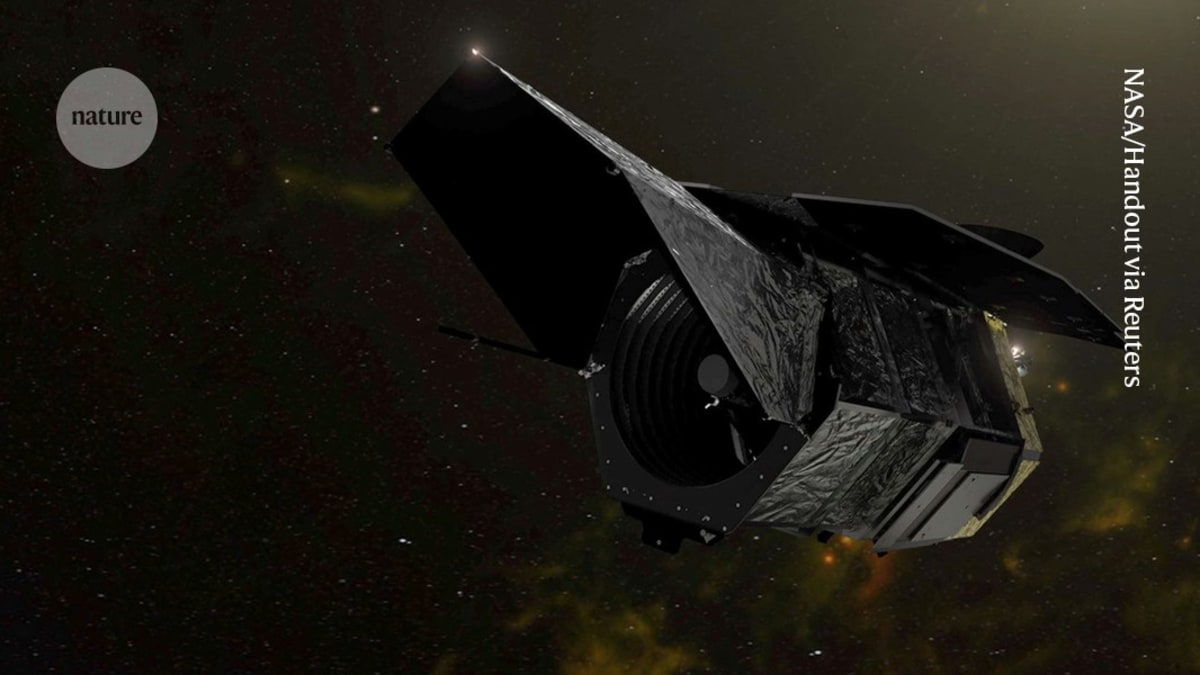
Once operational, Roman will become the fastest cosmic surveyor ever deployed. Its field of view is 100 times larger than the legendary Hubble Space Telescope, allowing it to map the sky 1,000 times faster using a cutting-edge 300-megapixel infrared camera.
The telescope carries a special Coronagraph system that blocks starlight glare, making it possible to directly photograph exoplanets that were previously invisible. This technology can detect smaller, older, and colder planets orbiting close to their stars, opening a window to worlds we've never seen before.
Roman's primary mission tackles two of science's most profound puzzles: dark matter and dark energy. Using detailed 3D scans, the telescope will map how dark matter is distributed throughout space and help scientists narrow down what this mysterious substance actually is.
Those same scans will reveal how dark energy has shaped the universe's evolution over billions of years. By measuring gravitational lensing, where massive objects bend light from distant sources, Roman will trace the invisible forces that have been pulling our cosmos apart.
The Ripple Effect
This mission represents more than scientific achievement. It shows what's possible when humanity commits to answering fundamental questions about our existence, even when funding gets tight and obstacles pile up.
The telescope honors Nancy Grace Roman, NASA's first Chief of Astronomy, who spent her career fighting for space-based observatories despite facing discrimination as a woman in science. Her vision made missions like this possible.
Nicky Fox, NASA's associate administrator for science, captured the significance perfectly: "Roman will be a discovery machine that will bring us closer than ever before to answering humanity's most profound questions about our cosmic history."
Within months, this remarkable telescope will begin sending back images and data that could reshape our understanding of everything.
More Images



Based on reporting by The Verge
This story was written by BrightWire based on verified news reports.
Spread the positivity!
Share this good news with someone who needs it