EV Owners Could Save $1,900 With Free Solar Power Plan
Australian electric vehicle owners can slash their energy bills by up to $1,900 yearly under a new federal program offering three hours of free electricity daily. The solar sharer scheme rewards households who charge cars and heat water during midday hours.
Driving an electric car in Australia just became even cheaper, thanks to a federal program that could put nearly two thousand dollars back in your pocket each year.
The solar sharer scheme launched in July offers households three hours of free electricity daily during midday, when solar power floods the grid. New research from the Institute for Energy Economics and Financial Analysis shows families with two electric vehicles could save up to $1,900 annually by taking advantage of this free power window.
Single EV households can pocket around $800 in savings by simply timing their car charging to coincide with the free period. Jay Gordon, an energy analyst at IEEFA, says the math is straightforward: electric vehicles already cost less to run than gas guzzlers, and free midday electricity sweetens the deal even more.
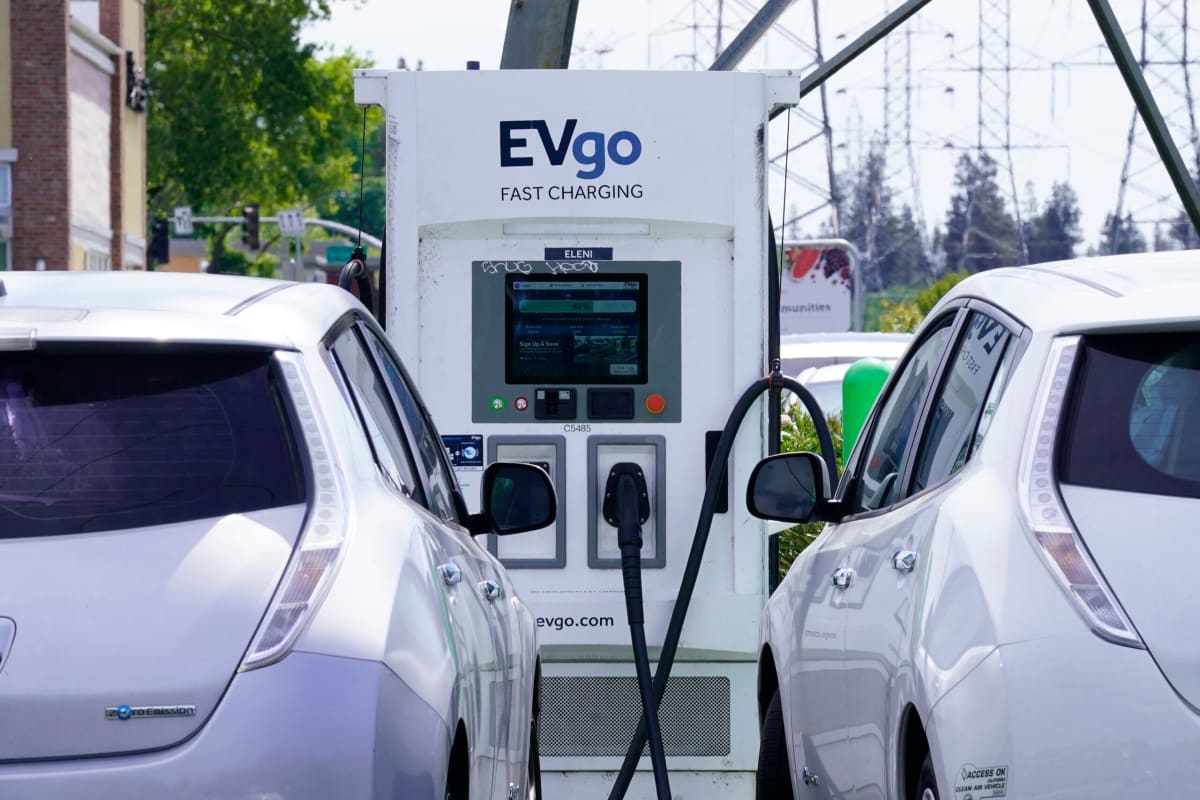
The timing couldn't be better. EV sales outpaced petrol cars for the first time in Australia this August, with over 200 electric models now available, some under $25,000. Julie Delvecchio from the Electric Vehicle Council notes that 80% of EV owners already charge at home using solar panels, making them perfectly positioned to benefit.
Hot water systems offer another savings opportunity. About 40% of Australian homes with electric water heaters could save between $400 and $800 yearly by programming their systems to heat water during the free power window. Households with gas systems could save even more by switching to electric first, then using the free period.
The Ripple Effect
This program does more than trim individual energy bills. It helps stabilize Australia's electricity grid by encouraging people to use power when solar generation peaks, reducing strain during expensive evening hours.
The shift creates a virtuous cycle: more people adopting EVs and solar power means lower emissions, cheaper energy costs, and reduced reliance on fossil fuels. As electric vehicle prices drop and charging infrastructure improves, the financial case for going electric grows stronger.
Not every household benefits equally. Renters, apartment dwellers, and those unable to shift their energy use to midday hours might not see significant savings. Gordon recommends comparing multiple energy plans, as market offers with similar free periods often beat the government's regulated rate.
Federal and Victorian government comparison websites help households find the best deals for their situation. The key is matching your energy use pattern to the right plan, whether that's the solar sharer scheme or a competitive market alternative.
One family's small change in charging habits ripples into meaningful climate action across an entire nation.
More Images



Based on reporting by Google News - Electric Vehicle
This story was written by BrightWire based on verified news reports.
Spread the positivity!
Share this good news with someone who needs it