Georgia Startup Rescues Battery Plant, Powers EV Future
A new company just turned a bankrupt facility into America's first large-scale lithium recycling plant, proving the electric vehicle revolution has staying power. R3 Lithium acquired the Georgia site for pennies on the dollar and already has over $1 billion in orders lined up.
When a battery recycling company filed for bankruptcy in April, it looked like another setback for America's electric vehicle industry. Four months later, a scrappy startup proved that one company's ending can be another's breakthrough beginning.
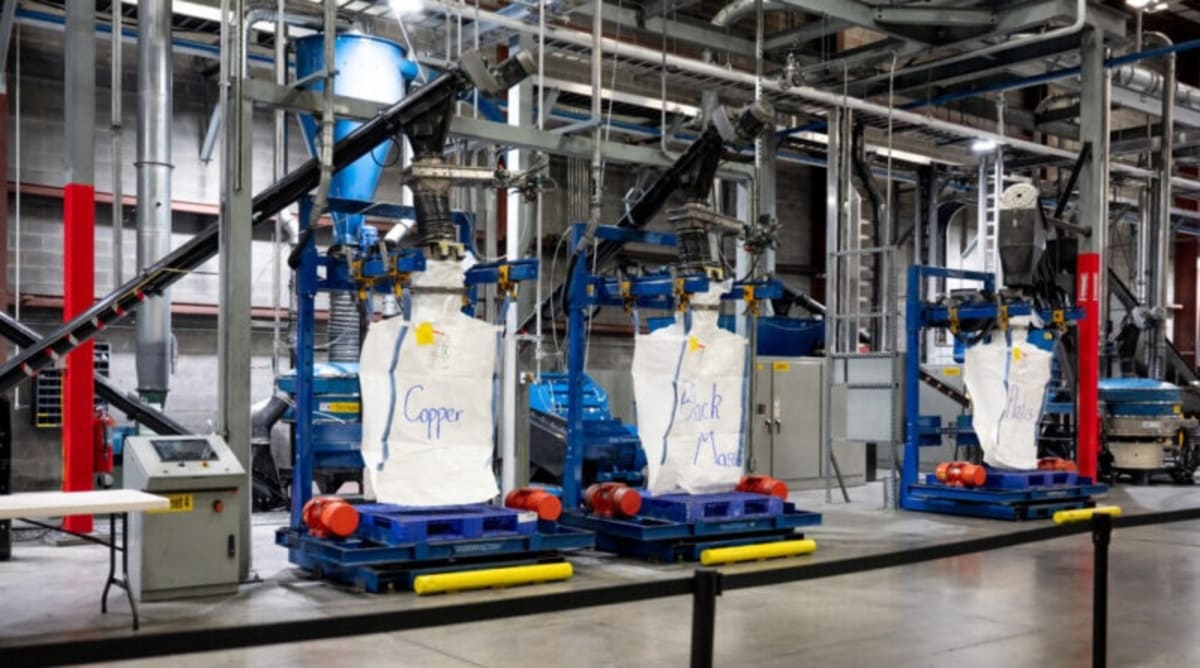
R3 Lithium just announced it's taking over a state-of-the-art facility in Covington, Georgia that cost $150 million to build. The company snagged it with zero liabilities, essentially getting a fresh start with world-class equipment already in place.
The timing couldn't be better. Electric vehicles need lithium batteries, and recycling used batteries back into new ones keeps materials circulating domestically instead of relying on overseas mining and refining. The previous owner, Ascend Elements, had already proven the facility could produce 99% pure lithium carbonate from recycled batteries at commercial scale.
R3 kept the winning team intact. CEO Linh Austin and co-founder Eric Gratz, who led the breakthrough production in 2025, are now steering the revived operation. Gratz also serves on the Department of Energy's Li-Bridge partnership, bringing federal expertise to the table.
The startup isn't entering the field empty-handed. Before officially launching, R3 secured more than $1 billion in offtake agreements, including a major contract with Trafigura, a global commodities supplier. A $15 million Series A funding round from investors like TDK Ventures will upgrade the production line.
By next year, R3 expects to supply more than half of all lithium carbonate produced in the United States. Their process runs entirely on American soil, using water-based methods to extract lithium from old batteries and manufacturing scrap without shipping materials overseas for refining.
The Ripple Effect spreads beyond just one facility. This turnaround shows investors that battery recycling makes economic sense, even when traditional mining operations face pressure. It creates jobs in Georgia while building resilience into America's electric vehicle supply chain.
The facility represents something bigger than recycled lithium. It's proof that clean technology infrastructure can survive financial turbulence and emerge stronger. When federal grants disappeared and lithium prices dropped, many expected the facility to sit empty.
Instead, smart investors saw an opportunity. They recognized that demand for battery materials keeps growing as more drivers switch to electric vehicles and utilities install massive battery storage systems. The recycling loop becomes more valuable as more batteries reach end-of-life.
R3's streamlined approach cuts costs by eliminating the typical overseas refining step. Everything happens in Georgia, from receiving spent batteries to delivering battery-grade lithium carbonate ready for manufacturing. That speed and simplicity gives them a competitive edge.
The company's success sends a signal to other clean energy ventures navigating tough markets. Sometimes the path forward means picking up where others left off, keeping the mission alive with smarter economics.
One factory in Georgia just became a cornerstone of America's electric future.
More Images
Based on reporting by CleanTechnica
This story was written by BrightWire based on verified news reports.
Spread the positivity!
Share this good news with someone who needs it