EVs Now Earn Owners $3,000 Powering the Grid
Electric vehicle owners in California and Massachusetts are earning thousands of dollars by letting their car batteries power the electrical grid during peak demand. One pilot program is paying drivers up to $3,000 this summer for helping ease strain during heat waves.
Your electric car could soon pay you back while it sits in your driveway.
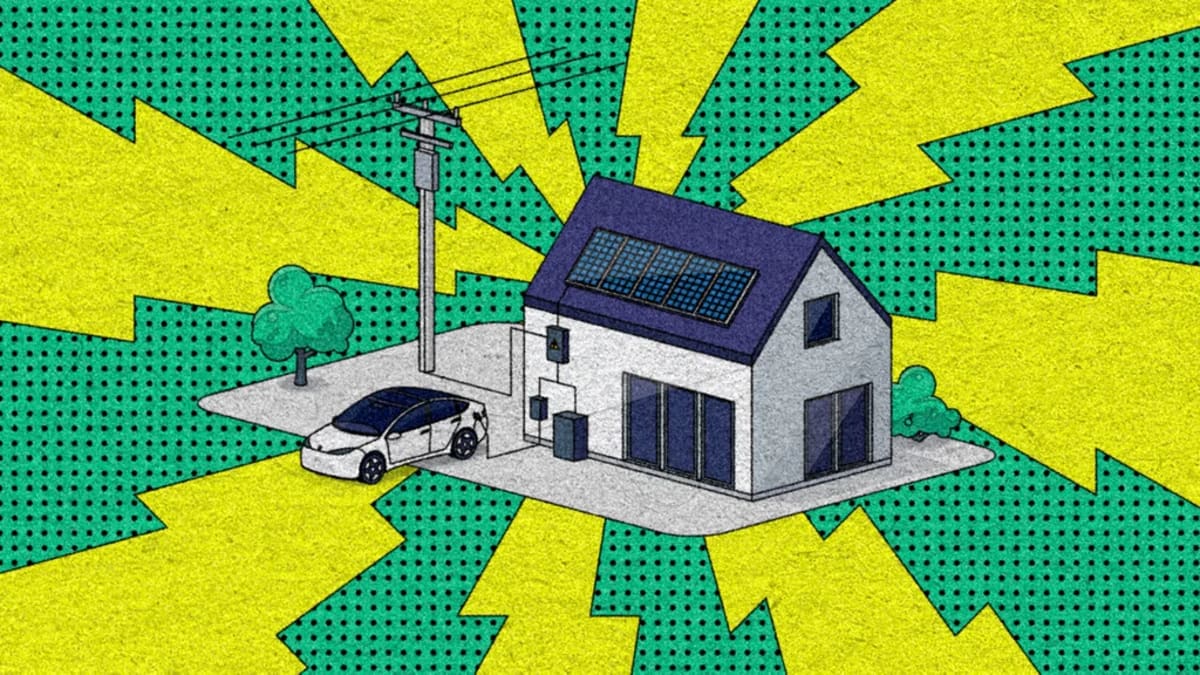
EV owners in California and Massachusetts are testing a simple but powerful idea: when they plug in their cars, those big batteries can send power back to the electrical grid when it's needed most. Drivers in one Massachusetts pilot program could earn up to $3,000 this summer just by helping power their communities during heat waves.
The concept is called vehicle-to-grid technology, and it's been technically possible for years. Now it's finally becoming real for everyday drivers.
GM already has 250,000 vehicles on the road capable of this two-way power flow. The company says that represents enough energy to power San Francisco for about two days. A recent software update made it possible for these vehicles to work with the grid after they were already designed to power homes during outages.
The Massachusetts Clean Energy Center is managing the pilot program there, covering the full cost of equipment for participants. That support matters because the technology isn't cheap yet.
The Bright Side
The biggest challenge isn't the cars themselves. Installing a bidirectional charger currently costs over $20,000 on average, with installation alone running around $16,000. That includes upgrading electrical panels and connecting all the right systems.
Right now, government funding makes these pilots possible. Without that support, most drivers wouldn't invest in the technology just to earn money from the grid. The economics simply don't add up yet.
But there's reason for optimism. Many homeowners are already buying bidirectional chargers because they want backup power during outages. Once installed for that purpose, using the same equipment to support the grid and earn extra cash becomes a bonus feature with no additional cost.
The industry is also working on solutions to bring down prices. Most existing chargers only work with specific car models, which means switching to a different EV could make your expensive charger obsolete. Manufacturers are moving toward universal standards that will work with any vehicle.
The biggest breakthrough may come from redesigning the cars themselves. Current bidirectional chargers contain an inverter that converts the battery's DC power into AC power for homes and the grid. If that conversion technology were built into the vehicles instead of the chargers, costs could drop dramatically.
Rachel Ackerman, senior program director at the Massachusetts Clean Energy Center, sees these pilots as crucial first steps. They're proving the technology works and showing what needs to change before it can scale up nationwide.
As more EVs hit the road and the grid needs more flexibility to handle renewable energy, turning parked cars into mobile power banks could help communities and drivers alike.
More Images

Based on reporting by Fast Company - Innovation
This story was written by BrightWire based on verified news reports.
Spread the positivity!
Share this good news with someone who needs it