Ex-Prisoners Now Mentor Others in California Jails
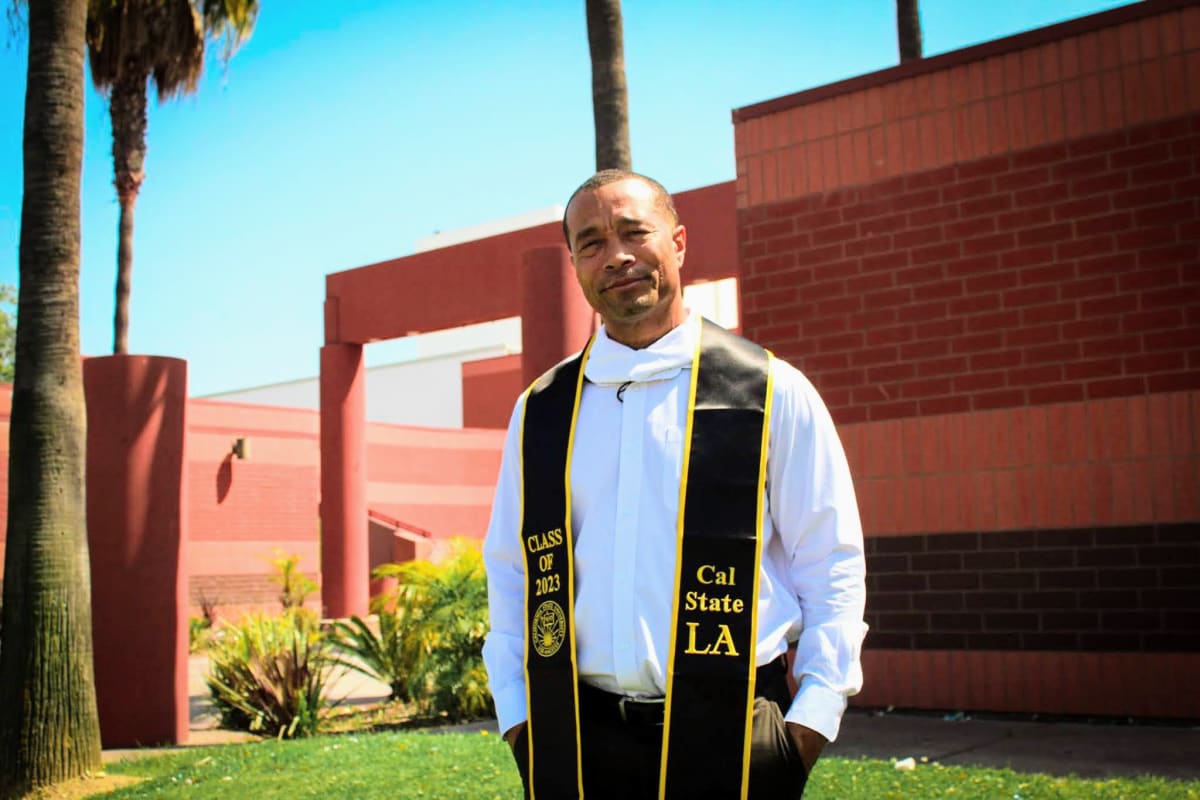
Allen Burnett spent 28 years behind bars before becoming a mental health mentor. Now his nonprofit trains formerly incarcerated people to help others heal from trauma and addiction.
After 28 years in prison, Allen Burnett walked free and drove straight to the ocean. He just wanted to feel the air on his face.
Burnett entered California's prison system as a teenager in the early 1990s after participating in a fatal carjacking. He was sentenced to life without parole and believed he would die behind bars.
But instead of giving up, he found purpose inside. At Lancaster prison, Burnett earned his college degree with honors through an in-prison education program and discovered the power of peer mentorship.
Governor Jerry Brown commuted his sentence in 2019. Today, Burnett runs Prism Way, a Los Angeles nonprofit that trains formerly incarcerated people to become peer support specialists who help others navigate trauma, addiction and life after prison.
The need is massive. Nearly half of people in California's jails and prisons live with diagnosed mental health conditions, far higher than the general population. More than half also struggle with substance abuse.
Los Angeles County jails have become the largest mental health facilities in the United States by default. Too often, people with psychiatric needs cycle through the justice system instead of getting real treatment.
The Ripple Effect
California is changing that model. In 2022, the state began training incarcerated people to become peer support specialists inside prisons. These mentors help fellow inmates cope with trauma and addiction using their own lived experience.
The results speak for themselves. At Twin Towers Correctional Facility in downtown Los Angeles, peer counseling programs coincided with a sharp drop in self-harm incidents. Fewer people needed transfers to forensic psychiatric hospitals.
Prism Way brings that same approach to communities outside prison walls. Burnett and his team know firsthand what it takes to rebuild a life after incarceration. They understand the shame, the triggers, the difficulty of reentry.
Their training program transforms past pain into present purpose. Graduates become certified peer specialists who work in jails, treatment centers and community programs across Los Angeles County.
Burnett says the work saves lives because it comes from people who truly understand. When someone is struggling with mental health or addiction, hearing from someone who has been there makes all the difference.
California's approach recognizes a simple truth: the people who have lived through darkness often make the best guides toward light.
More Images

Based on reporting by Reasons to be Cheerful
This story was written by BrightWire based on verified news reports.
Spread the positivity!
Share this good news with someone who needs it