Exercise Cuts Colon Cancer Recurrence by 28%
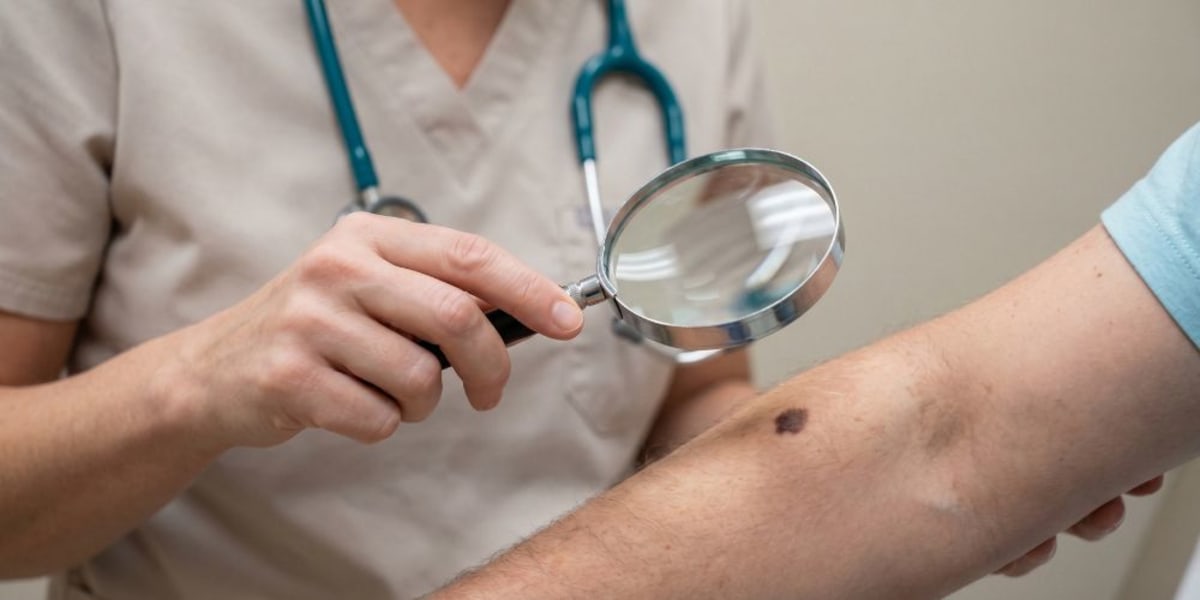
A major international study involving Canadian patients found that just 2.5 hours of weekly exercise after colon cancer treatment slashes recurrence risk by 28% and death risk by 37%. No new drugs needed, just movement.
Cancer survivors now have powerful proof that exercise works as well as some medications, without a single prescription.
An international study called the CHALLENGE Trial tracked colon cancer patients who exercised about two and a half hours weekly after treatment. The results stunned researchers: a 28% drop in cancer recurrence and a 37% reduction in death risk.
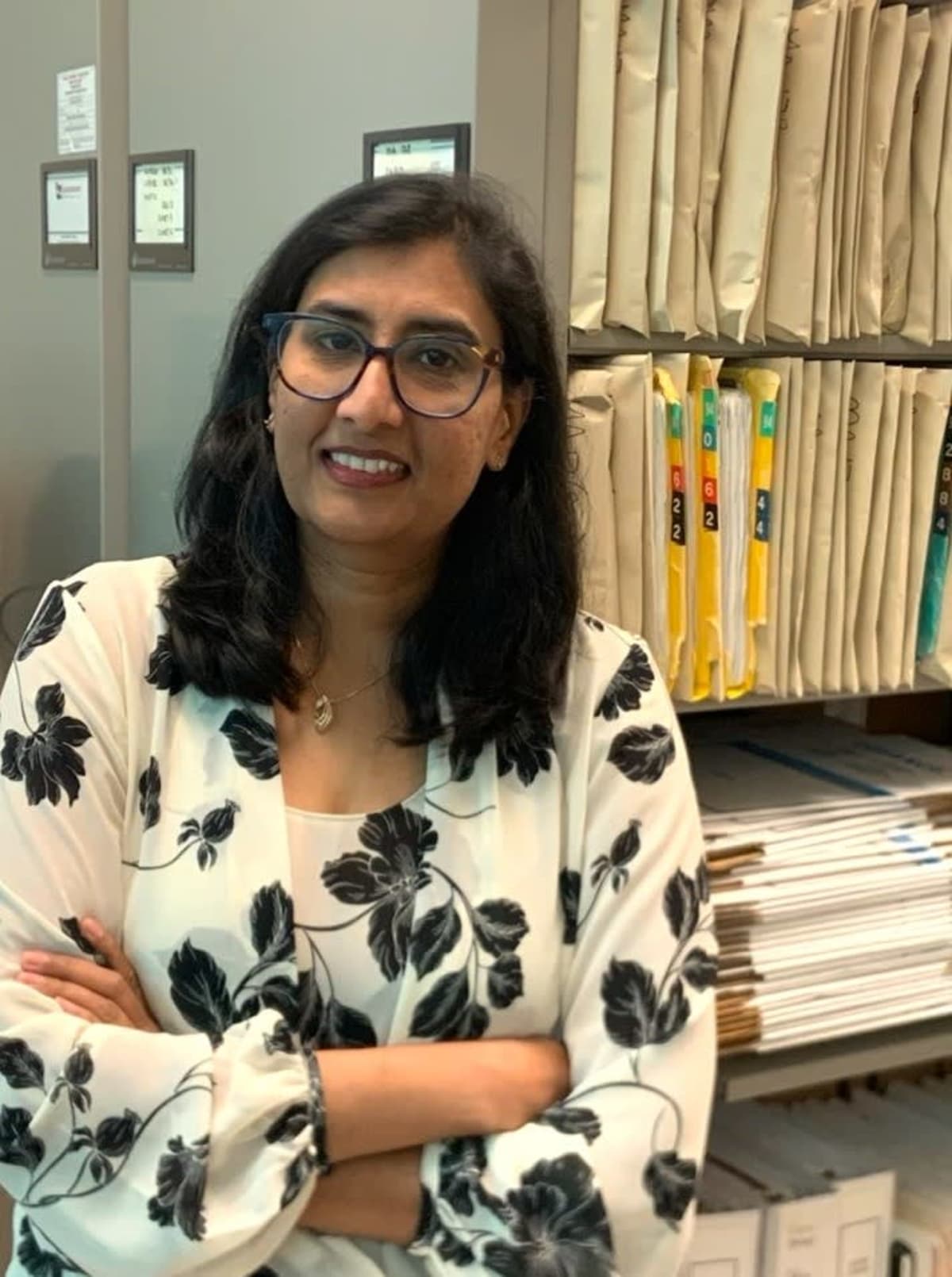
"This isn't a new drug. It's exercise," says Dr. Radhika Yelamanchili, the gastrointestinal oncologist at Niagara Health who helped run the study. "By studying it scientifically, we were able to quantify the impact and show just how meaningful exercise can be."
The breakthrough happened because patients in Niagara, Ontario could participate in cutting-edge research without leaving their community. Instead of traveling to Toronto or Hamilton for clinical trials, 629 local patients joined 58 active studies right at home in 2025 alone.
Niagara Health has been running cancer research since 1985, and the momentum keeps building. The hospital recently joined another trial testing immunotherapy for advanced colorectal cancer patients who've run out of standard options.
One pancreatic cancer patient enrolled in two separate clinical trials during his illness. Those experimental therapies gave him nearly five extra years of life, a remarkable outcome for such an aggressive disease.
The Ripple Effect
The research benefits reach far beyond cancer care. Niagara Health now runs trials in critical care, cardiology, stroke care, and infectious diseases through its Knowledge Institute.
One intensive care study tested in-bed cycling for ventilated patients. The simple intervention improved recovery so effectively that doctors kept using the bikes even after the study ended, shortening both ICU and total hospital stays.
"Research is how we discover better ways to care for people," says Elaina Orlando, who directs research operations. "It's about asking whether there's a better solution than the one we're using today."
For many participants, joining a trial means accessing tomorrow's treatments today. For others, it's contributing data that will help patients they'll never meet benefit from better care.
Dr. Yelamanchili credits the patients themselves for making progress possible: "Many participate knowing the research may not directly benefit them, but that it could help future patients."
Community hospitals proving they can deliver world-class research while keeping patients close to home.
Based on reporting by Google News - Health Breakthrough
This story was written by BrightWire based on verified news reports.
Spread the positivity!
Share this good news with someone who needs it