Explorer Captures 3D Model of Indonesia's Vanishing Ice
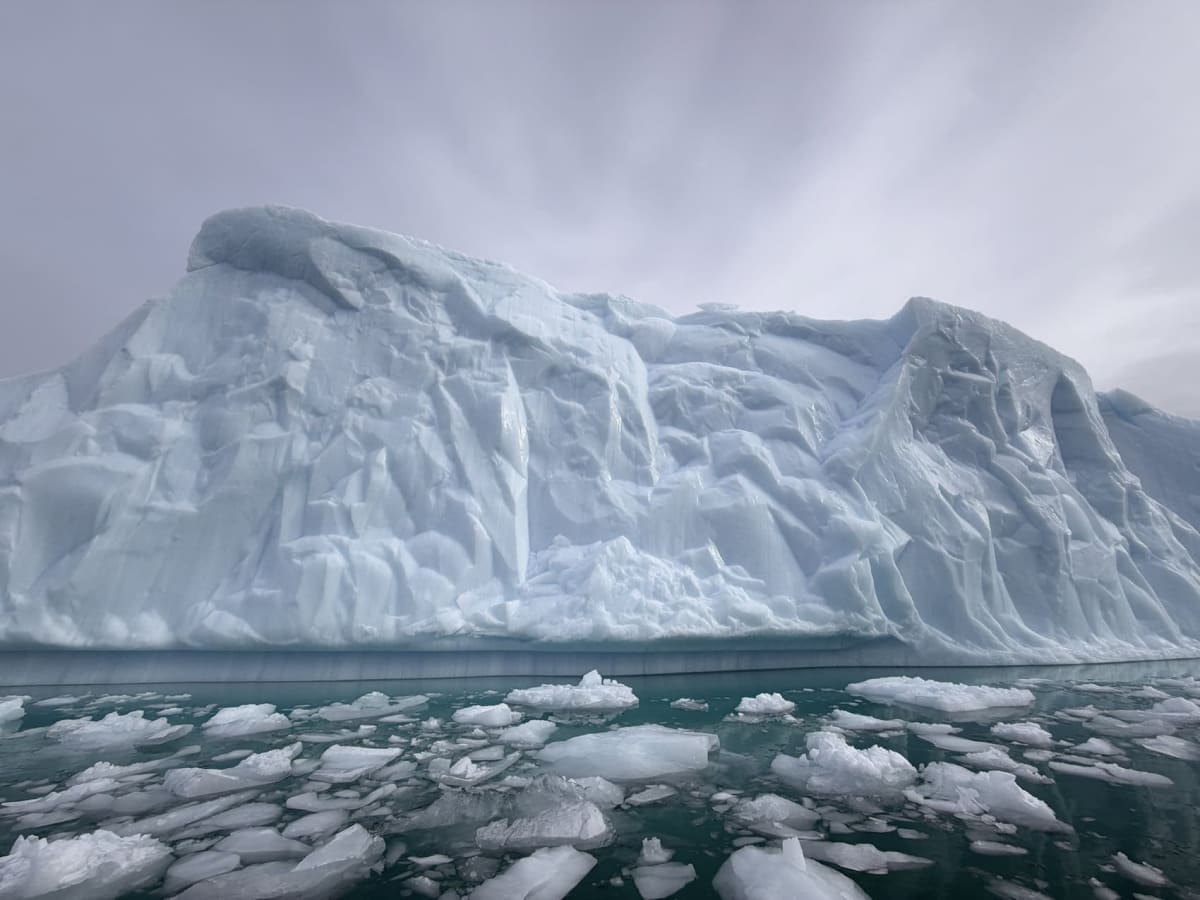
A photographer raced to Indonesia's dangerous highlands to document tropical glaciers that locals call "eternity" before they disappear by 2030. His detailed 3D model preserves this rare ice and gives scientists crucial data to understand climate change.
High in Indonesia's remote mountains, Klaus Thymann captured something most people don't even know exists: tropical glaciers near humid rainforests and beaches.
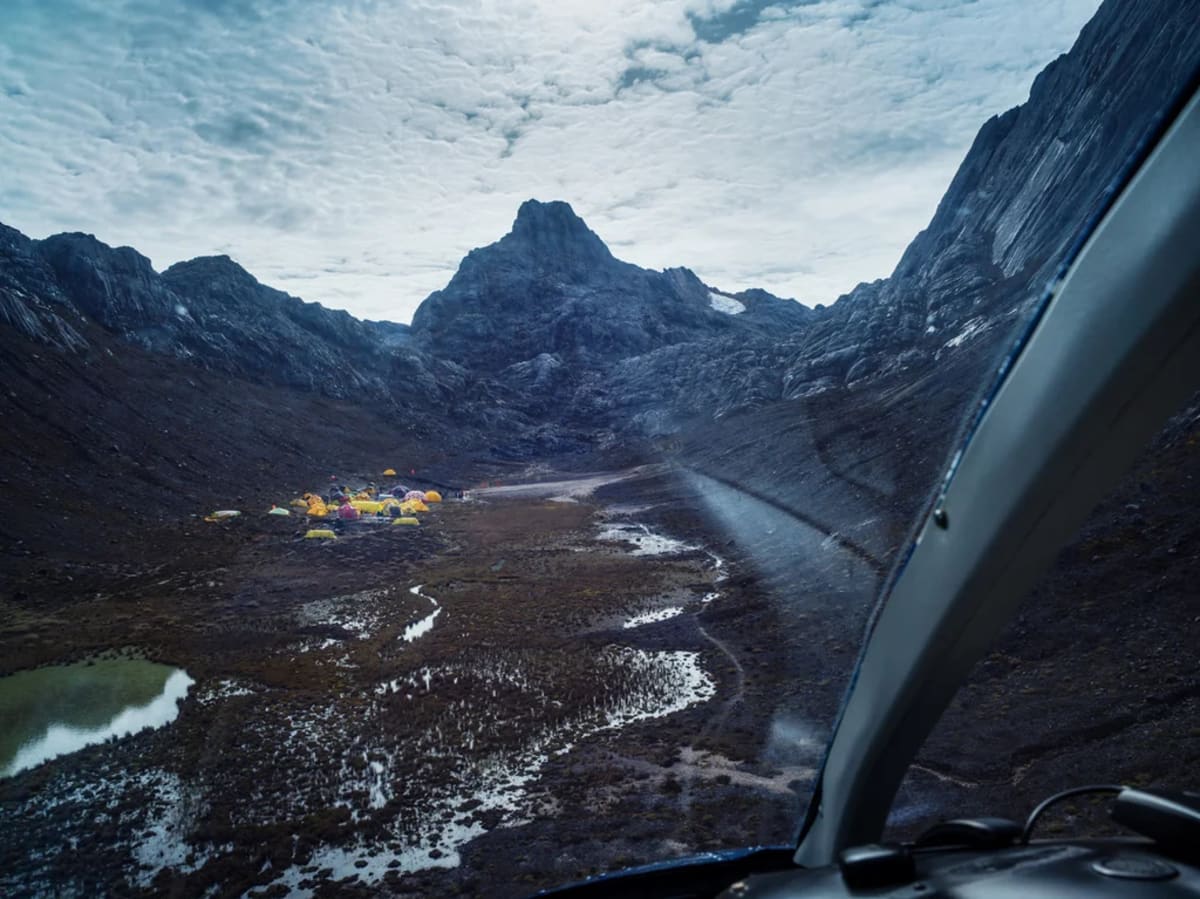
The explorer and scientist flew nearly 15,000 feet up Puncak Jaya, Indonesia's highest peak, last November with a critical mission. He needed to document ice that has lost 97% of its cover since 1980.
The glaciers sit in such a dangerous rebel-held area that Indonesia bans hiking there. The U.S. State Department warns travelers about civil unrest and even suggests appointing a hostage contact before visiting.
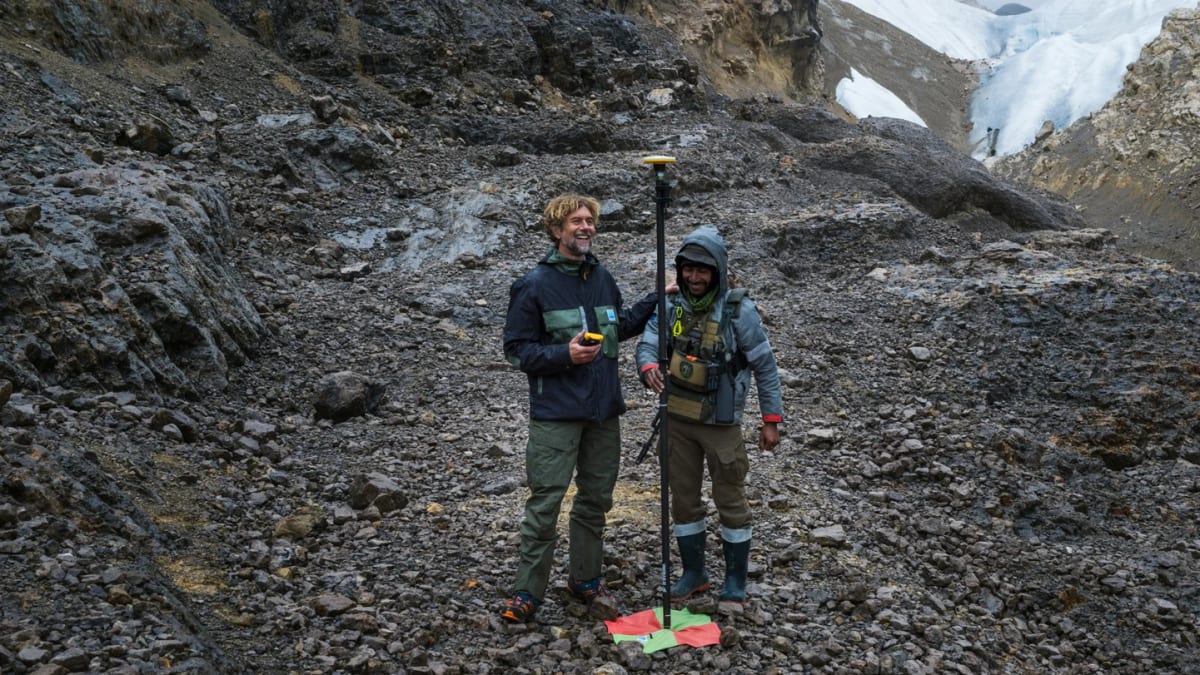
Thymann waited days for weather conditions safe enough for helicopter flight. When he finally arrived with guides and armed guards, he found remnants of ice that once covered an area twice the size of Central Park.
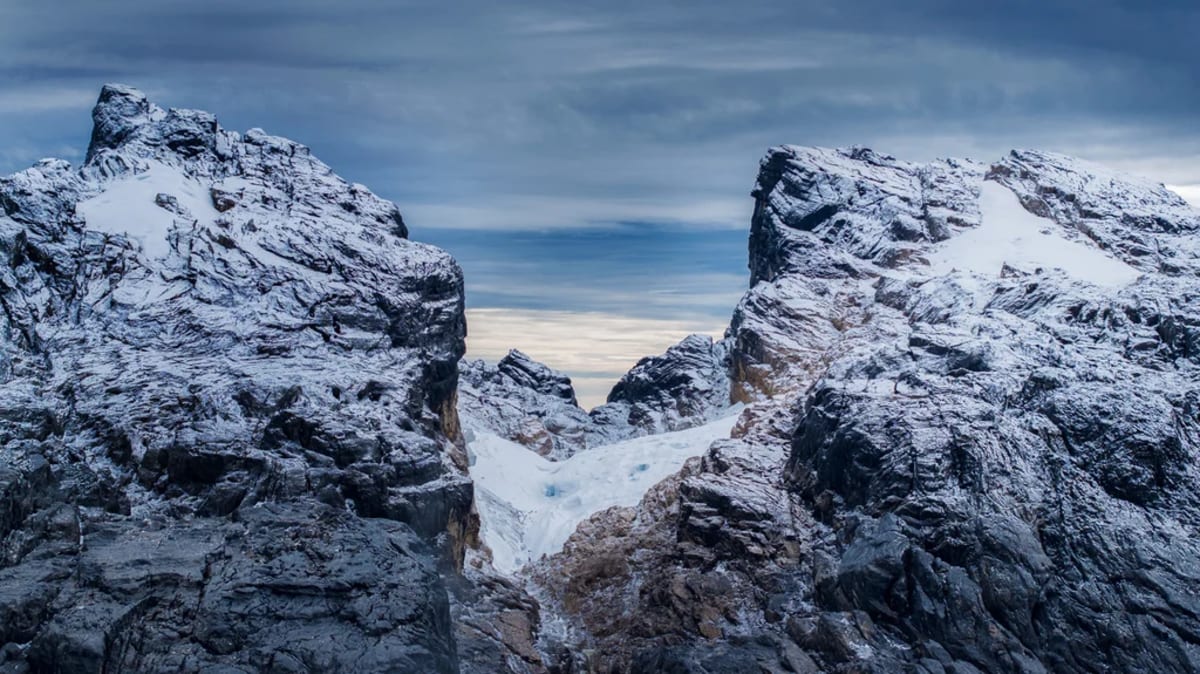
Today, the remaining glacier area is smaller than Grand Central Station. Four of the original six glaciers have completely vanished, and scientists expect the last two to disappear by 2030.
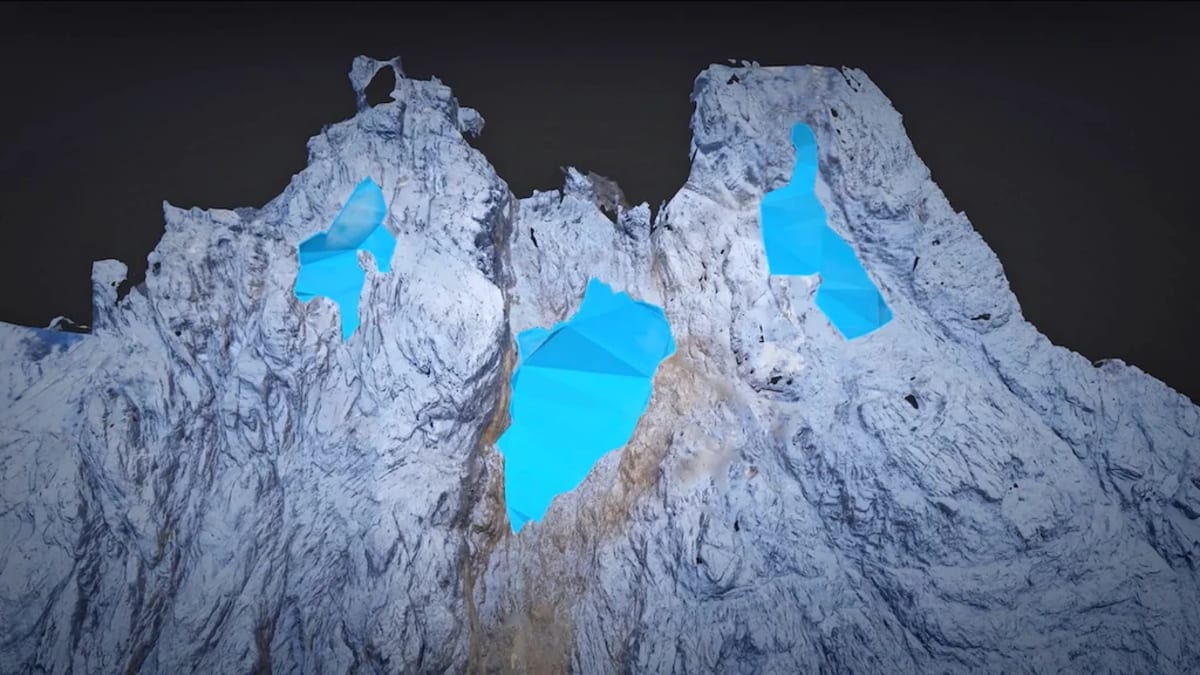
Using drones, Thymann photographed the mountain from every angle to create a detailed 3D model. Heavy cloud cover blankets the area 300 days a year, making satellite mapping nearly impossible.
The project focused on the East Northwall Firn glacier, which has already split into three parts as it melts. Geolocation technology helped map the site down to centimeter-level precision.
Thymann leads Project Pressure, a nonprofit using art, science, and activism to track environmental change. He's documented other tropical ice in South America and East Africa using similar methods.
Why This Inspires
The 3D model serves two powerful purposes. Scientists worldwide can now access the open-source data to track how this unique ecosystem changes over time.
But the project also preserves something deeply meaningful to local communities. Indigenous people call these glaciers "eternity," and now that name carries heartbreaking irony.
Future generations will have a visual record of ice that existed for thousands of years in one of the planet's most unexpected places. This digital preservation turns loss into learning and ensures that what's disappearing won't be forgotten.
The work shows how technology can capture moments that matter, creating bridges between past and future even as climate reshapes our world.
More Images

Based on reporting by Fast Company - Innovation
This story was written by BrightWire based on verified news reports.
Spread the positivity!
Share this good news with someone who needs it