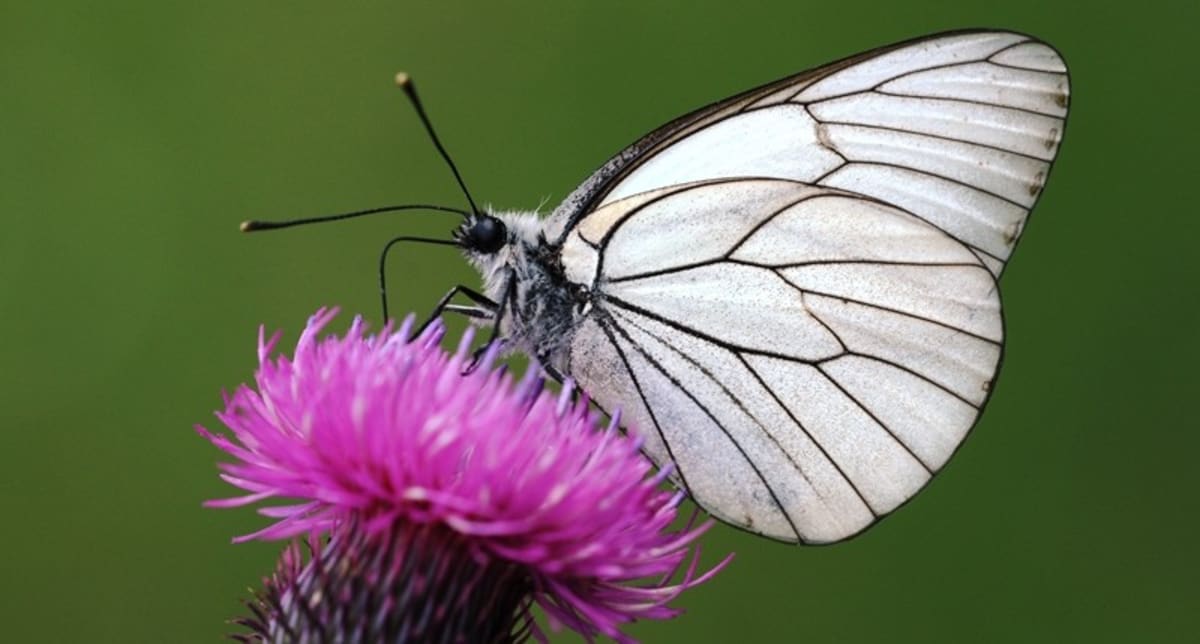
Extinct Butterfly Returns to Britain After 100 Years
A butterfly that vanished from Britain a century ago is making a comeback at one of England's most successful rewilding sites. The black-veined white butterfly could soon flutter across the countryside again thanks to careful reintroduction efforts.
A butterfly extinct in Britain since the early 1900s is getting a second chance at the country's most famous rewilding project.
The black-veined white butterfly disappeared from the UK due to habitat loss and land-use changes over a century ago. Now, Knepp Wildland Foundation in West Sussex is working to bring it back.
Knepp Estate has become Britain's rewilding success story. A struggling ancestral farm transformed into one of England's most biodiverse locations, teeming with endangered nightingales and rare purple emperor butterflies.
The foundation flew butterfly larvae from continental Europe in special containers designed for overwintering. The young butterflies needed time to adjust to British conditions before emerging in spring.
Early results look promising. The larvae are thriving on hawthorn and blackthorn shrubs, their natural food sources and habitat.
This success matters especially because previous reintroduction attempts failed. The Knepp team took no chances, conducting extensive climate and environmental studies before importing the butterflies.
The Ripple Effect
The project received backing from major conservation groups including Butterfly Conservation, The Zoological Society of London, and Natural England. Their combined expertise gave these delicate insects the best possible chance at survival.
If the population establishes successfully at Knepp, conservationists plan to expand the effort. Future releases could reconnect butterfly populations to historic hotspots in Devon and along the south coast.
The black-veined white still thrives across continental Europe, proving it can adapt to similar climates. Britain's warming weather may actually help these butterflies succeed where past attempts failed.
Knepp's mosaic of newly naturalized wooded grasslands provides ideal habitat. The estate's transformation shows how letting land return to nature can reverse biodiversity loss.
The return of a species lost for 100 years proves that extinction within a region doesn't have to be permanent.
Based on reporting by Good News Network
This story was written by BrightWire based on verified news reports.
Spread the positivity!
Share this good news with someone who needs it
%2Ffile%2Fattachments%2F2998%2F14147038_376896.jpg)