Extinct Plant Rediscovered in Remote Australia After 60 Years
A horticulturist snapping photos while banding birds in the Queensland outback just brought a plant back from extinction. The purple-flowered Ptilotus senarius hadn't been seen since 1967, but a simple upload to iNaturalist changed everything.
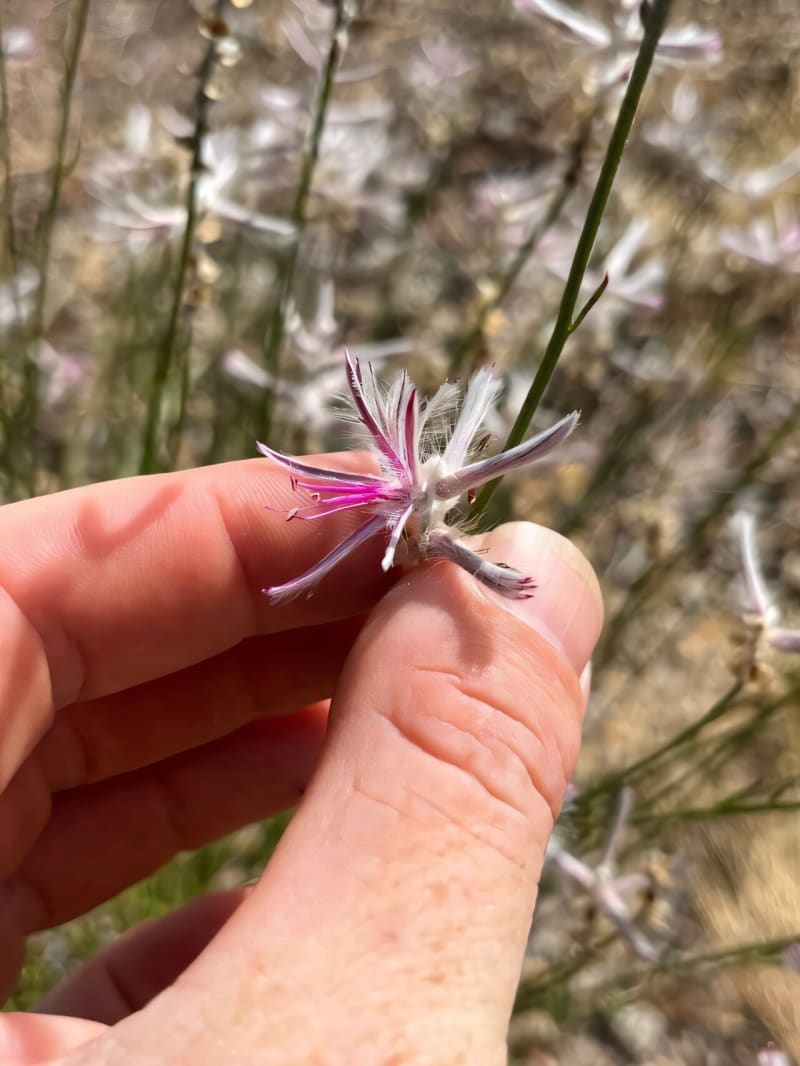
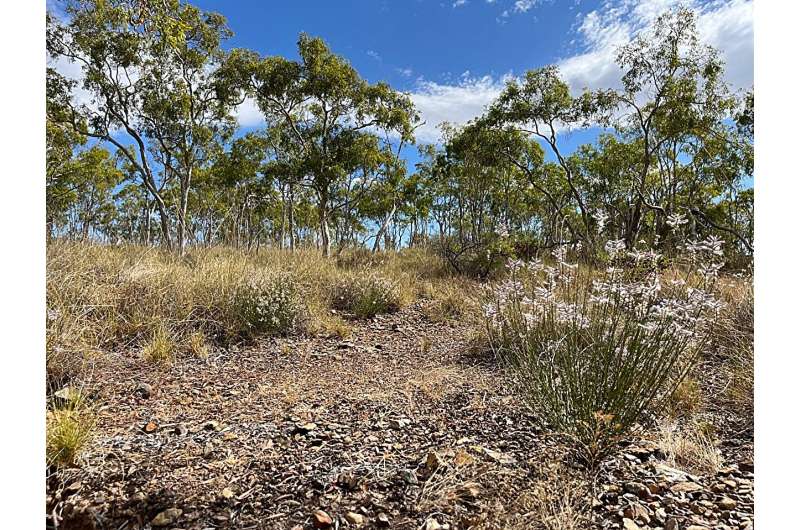
Aaron Bean was banding birds on a remote cattle station in northern Queensland when he noticed an unusual plant with striking purple-pink flowers that looked like feathery fireworks. The professional horticulturist did what thousands of nature lovers do every day: he snapped a few photos and uploaded them to iNaturalist when he got back to phone reception.
What happened next seems almost impossible. The photos landed in front of Anthony Bean, a botanist at the Queensland Herbarium who had spent years studying rare plants in the region. He immediately recognized something extraordinary: a plant presumed extinct since 1967 that he himself had officially described a decade earlier.
Ptilotus senarius, a small slender shrub, grows in such a remote band of rough country near the Gulf of Carpentaria that scientists hadn't collected a specimen in nearly 60 years. With help from the cooperative landowner, researchers confirmed the identification and the plant recently moved from "extinct" to "critically endangered," meaning conservationists can now work to protect it.
Thomas Mesaglio from the University of New South Wales calls it "very serendipitous." Everything had to align perfectly: the right person in the right place at the right time, with the right tools and willingness to share.
The Ripple Effect
This discovery represents something bigger than one plant coming back from the dead. Citizen science platforms like iNaturalist, with 4 million users logging nearly 300 million observations worldwide, are transforming how scientists discover and protect biodiversity.
In a country as vast as Australia, professional researchers simply can't be everywhere. Private land covers about a third of the continent, often locked behind gates scientists can't access. When landowners and visitors with permission start documenting what they see, an entire hidden world opens up.
Programs like New South Wales' Land Libraries project are now training property owners to document biodiversity on their land. The benefits go beyond data collection: when people engage with the natural world around them, they become passionate protectors of it.
Mesaglio encourages anyone trying iNaturalist to take multiple photos showing different plant features, not just pretty flowers. Recording extra details like soil type, neighboring plants, visiting pollinators, or even smell gives scientists vital clues. Those small efforts from everyday observers can lead to discoveries that reshape our understanding of what's still out there, waiting to be found.
Sometimes all it takes is someone paying attention in the right moment to bring hope back to life.
More Images
Based on reporting by Phys.org
This story was written by BrightWire based on verified news reports.
Spread the positivity!
Share this good news with someone who needs it