Extinct Spider Rediscovered Gets £50K to Save It
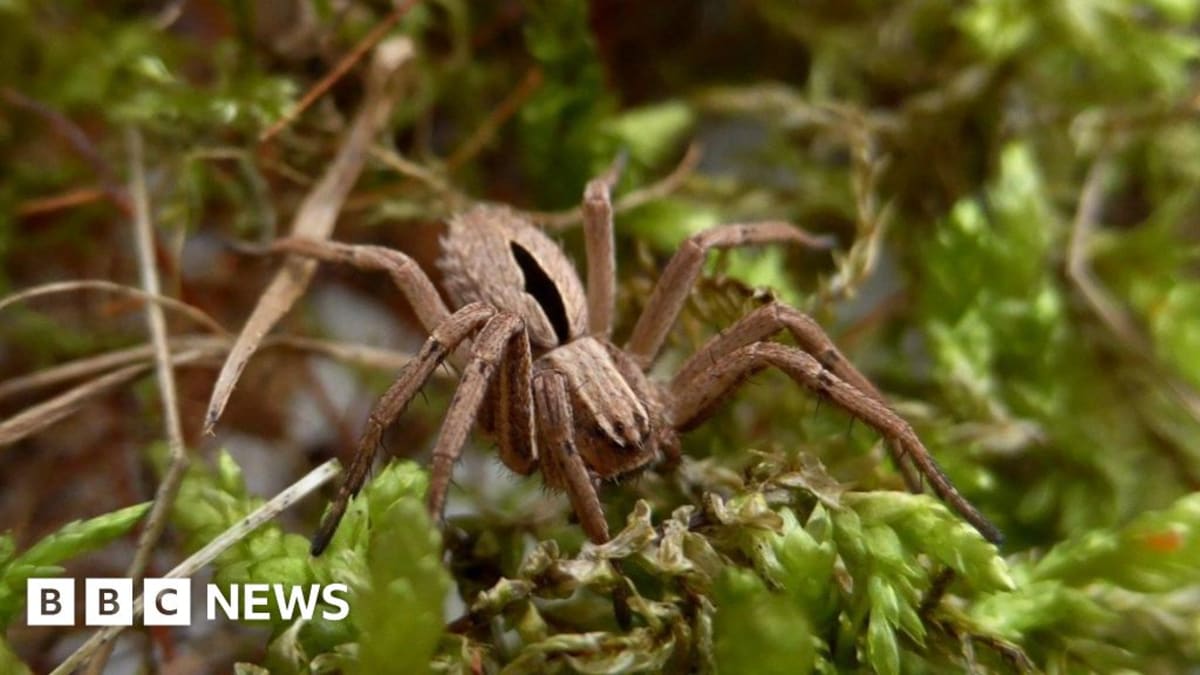
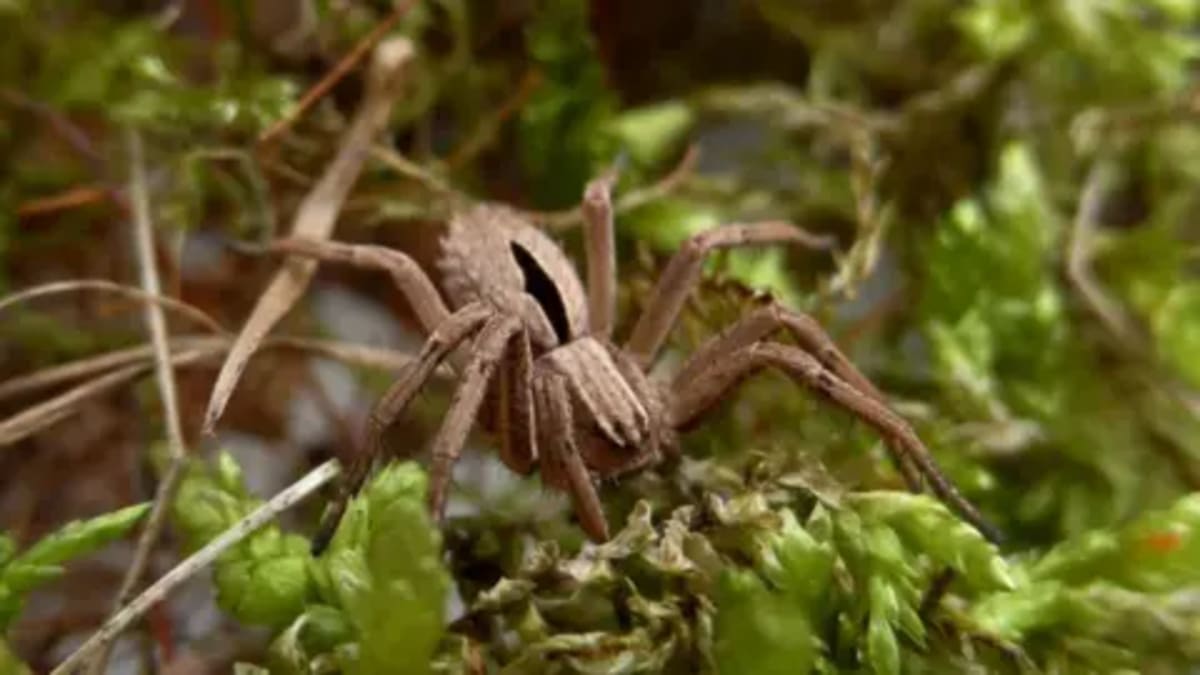
A tiny spider thought to be extinct for 50 years just won critical funding to protect its last known home in Britain. The diamond-backed spider, found only at one park in Nottinghamshire, now has a real chance at survival.
A spider species that vanished for half a century is getting a second chance at life, thanks to £50,000 in government funding that could save it from disappearing forever.
The diamond-backed spider was presumed extinct until two volunteers stumbled upon it at Clumber Park in Nottinghamshire in 2017. Since then, it's remained Britain's rarest spider, living in just one small pocket of heathland and nowhere else in the country.
The National Trust just received £50,458 from the Department for Environment, Food & Rural Affairs to expand conservation efforts. The funding will help researchers unlock the mysteries of this tiny survivor, including how it breeds and why it thrives in this one specific location.
"We've yet to find a female with eggs, so understanding its breeding patterns is a key focus," said Amy Trewick, who leads the conservation partnership with the British Arachnological Society. Scientists are working against time to learn what the species needs before it's too late.
The project plans to dig deeper than ever before. Genetic analysis will trace where the spider originally came from and how it ended up at Clumber Park after vanishing from its last known home in Sussex's Ashdown Forest in 1969.
Teams will also survey nearby heathlands in Sherwood Forest to find potential new habitats where the spider could establish thriving populations. They'll even return to Ashdown Forest to search for any spiders that might have been hiding there all along.
The Ripple Effect
This rescue mission matters beyond one small spider. These creatures serve as natural pest controllers, keeping insect populations in balance and supporting healthy ecosystems. When spiders thrive, the entire habitat benefits.
The funding means conservation can shift "from discovery to recovery," according to lead ranger Gareth Jones. By creating the right conditions at Clumber Park, researchers can develop a blueprint for expanding the species beyond its current tiny territory.
Dr. Helen Smith from the British Arachnological Society captured the urgency perfectly: "The future of this smart little spider, apparently restricted to a tiny pocket of heathland in Clumber Park, could not be more precarious."
Now that precarious future looks a little brighter, with real resources backing real hope for survival.
More Images

Based on reporting by BBC Science
This story was written by BrightWire based on verified news reports.
Spread the positivity!
Share this good news with someone who needs it