FDA Approves First Gene Therapy for Rare Liver Disease
Children and adults with a rare genetic disease that required eating every few hours can now receive a one-time gene therapy treatment. The FDA approval marks the first treatment to address the root cause of glycogen storage disease type Ia.
For families living with glycogen storage disease type Ia, life has revolved around the clock for decades. Children need feeding every two to three hours, even through the night, to prevent dangerously low blood sugar that could turn fatal.
The disease stems from a missing enzyme that prevents the liver from releasing stored glucose into the bloodstream. Without it, patients rely on constant doses of raw cornstarch and carefully timed meals to stay safe.
On August 19, 2026, that changed. The FDA approved GENGLYCOS, a one-time gene therapy for patients ages 8 and older with GSDIa, becoming the first treatment approved for this rare condition.
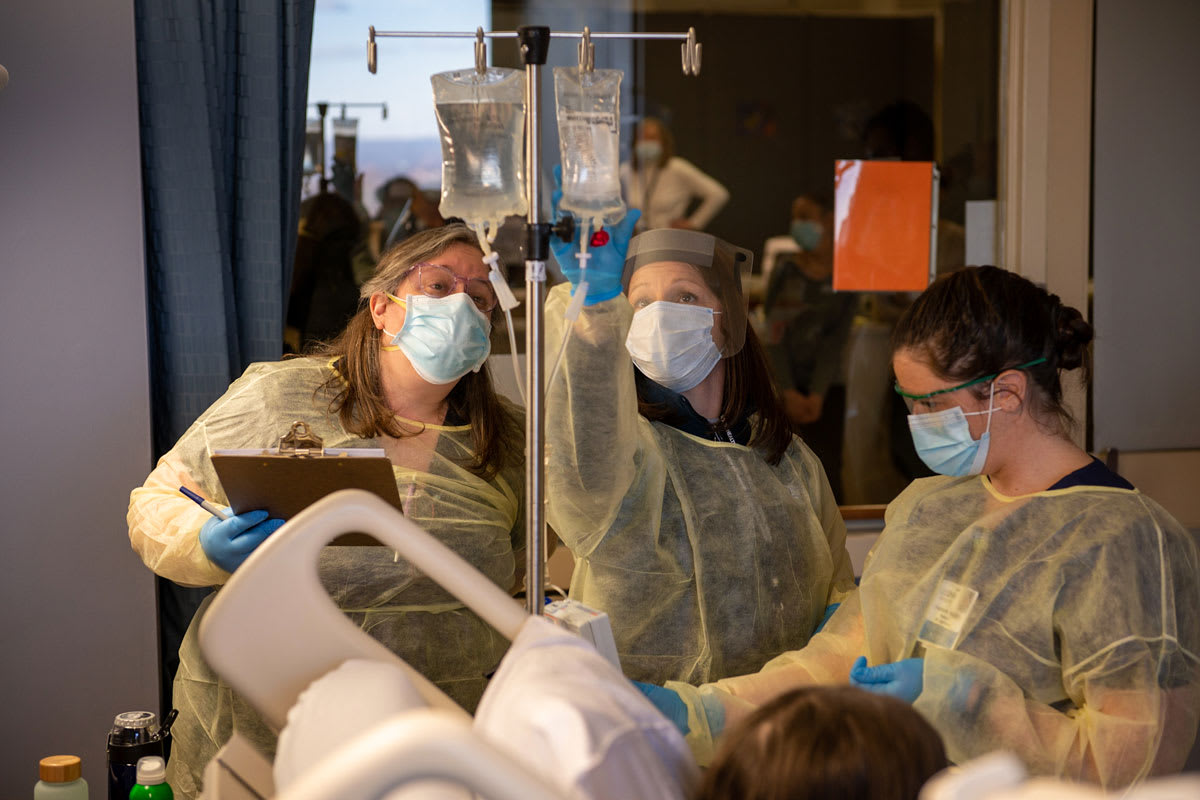
The therapy works by delivering a healthy copy of the missing gene directly to liver cells through a single IV infusion. Once inside, those cells can produce the enzyme patients lack, helping their livers release glucose naturally again.
In clinical trials, patients saw dramatic improvements. They needed significantly less cornstarch throughout the day and could go longer between meals while maintaining safe blood sugar levels. Quality of life scores showed meaningful improvements for both patients and their exhausted caregivers.
UConn Health played a central role in this breakthrough, conducting the first human trial in 2018 and administering the first Phase 3 infusion worldwide. Dr. Rebecca Riba-Wolman and her team at Connecticut Children's worked alongside families who trusted the research process, even when outcomes were uncertain.
The Ripple Effect extends beyond GSDIa patients. This approval demonstrates how gene therapy can tackle rare diseases that once had no treatment options. It shows families facing other genetic conditions that solutions may be coming.
The therapy isn't called a cure, and patients will still need specialized medical care. The FDA granted accelerated approval, requiring additional safety data in the coming years. But for families who've spent years waking up multiple times each night to prevent medical emergencies, reducing that burden represents genuine hope.
Clinical research that began as scientific curiosity in labs has now reached children's bedsides. Patients who planned their entire lives around glucose monitoring can begin imagining different futures, ones with fewer restrictions and more freedom.
After decades of intensive daily management, families affected by GSDIa are finally writing a new chapter.
More Images
Based on reporting by Google News - New Treatment
This story was written by BrightWire based on verified news reports.
Spread the positivity!
Share this good news with someone who needs it