FDA Approves Next-Gen Lasik Eye Surgery System
A revolutionary new Lasik system just got FDA approval and is already treating patients at a Minnesota clinic. The technology uses 1,500 data points to create custom treatment plans for each person's unique eyes.
Millions of Americans who've dreamed of ditching their glasses just got a major reason to reconsider Lasik surgery.
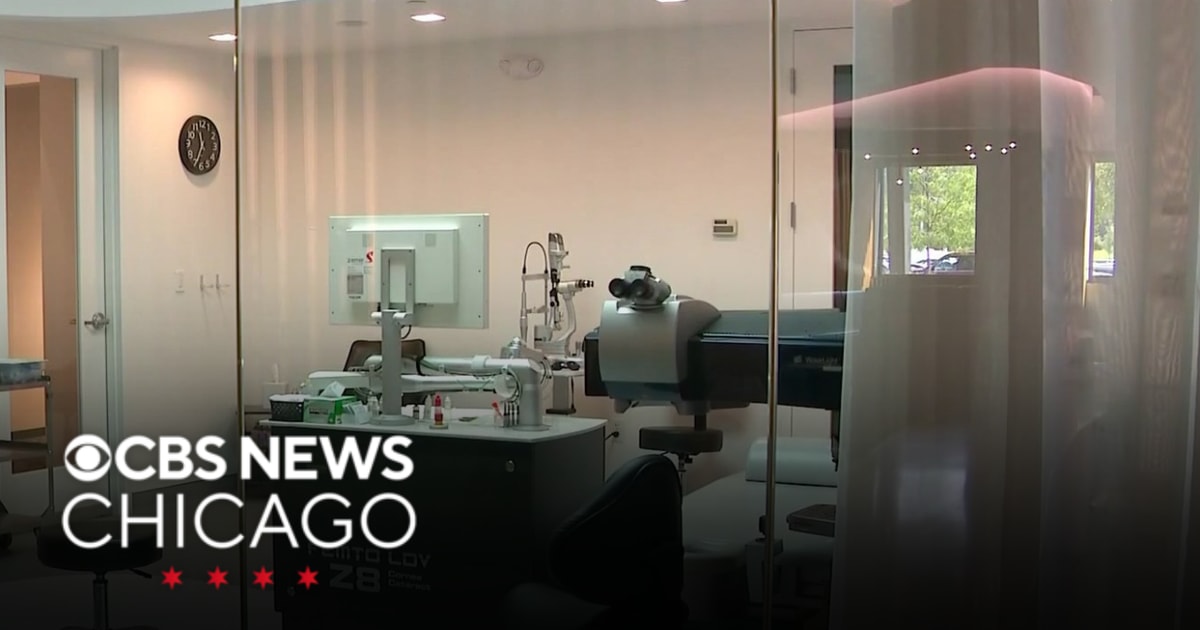
The FDA recently approved Wavelight Plus, a next-generation Lasik system that's already available at a Minnesota clinic. This isn't just an upgrade to existing technology—it's a complete reimagining of how vision correction surgery works.
The system uses advanced light tracing technology to map each eye with more than 1,500 individual data points. That's far more precise than traditional Lasik methods, which means treatments can be tailored to the unique shape and characteristics of each person's eye.
For anyone who's hesitated about Lasik because of concerns about precision or personalization, this could be a game changer. The technology essentially creates a fingerprint of your eye, then designs a treatment plan specifically for you rather than using a one-size-fits-most approach.
The Minnesota clinic offering the treatment represents just the beginning. As more eye care centers adopt Wavelight Plus, more Americans will have access to this personalized approach to vision correction.
The Ripple Effect
Better vision technology doesn't just help people see clearly—it transforms daily life in countless ways. Parents can watch their kids play sports without fumbling for glasses. Professionals gain confidence in meetings. Athletes perform better without worrying about contacts.
The economic impact matters too. When vision correction becomes more precise and personalized, fewer people need follow-up procedures or struggle with suboptimal results. That means less time away from work, fewer medical appointments, and better quality of life overall.
As this technology spreads to clinics nationwide, it could help address one of the main barriers to Lasik: fear of imperfect results. More precision means more predictable outcomes, which could bring vision correction within reach for people who've been waiting for the technology to catch up to their needs.
The approval also signals continued innovation in vision care at a time when screen time and eye strain are at all-time highs. Better tools for correcting vision problems mean more people can live and work comfortably in our increasingly digital world.
This is the kind of medical progress that improves millions of lives one clear view at a time.
Based on reporting by Google News - New Treatment
This story was written by BrightWire based on verified news reports.
Spread the positivity!
Share this good news with someone who needs it