London Team Tests New Gene Therapy for Kids with Rare PKD
Scientists in London are testing a groundbreaking therapy that could slow or stop a devastating childhood kidney disease that currently has no cure. The treatment uses a harmless virus to deliver genetic instructions directly to affected kidney cells.
Children born with autosomal recessive polycystic kidney disease face a heartbreaking reality: fluid-filled cysts gradually destroy their kidneys, often leading to kidney failure before they reach adulthood. Now, researchers at University College London are testing a therapy specifically designed for these young patients.
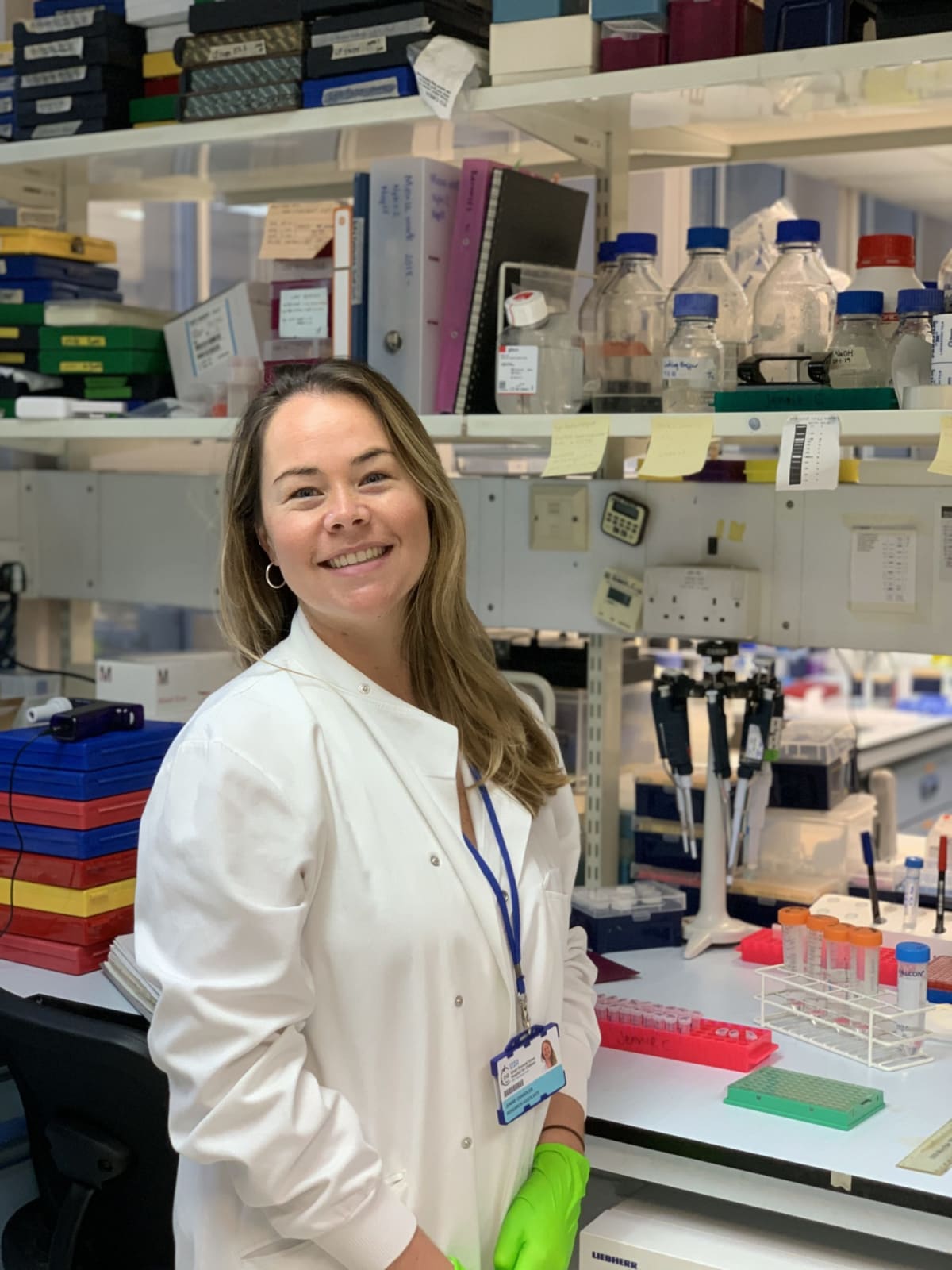
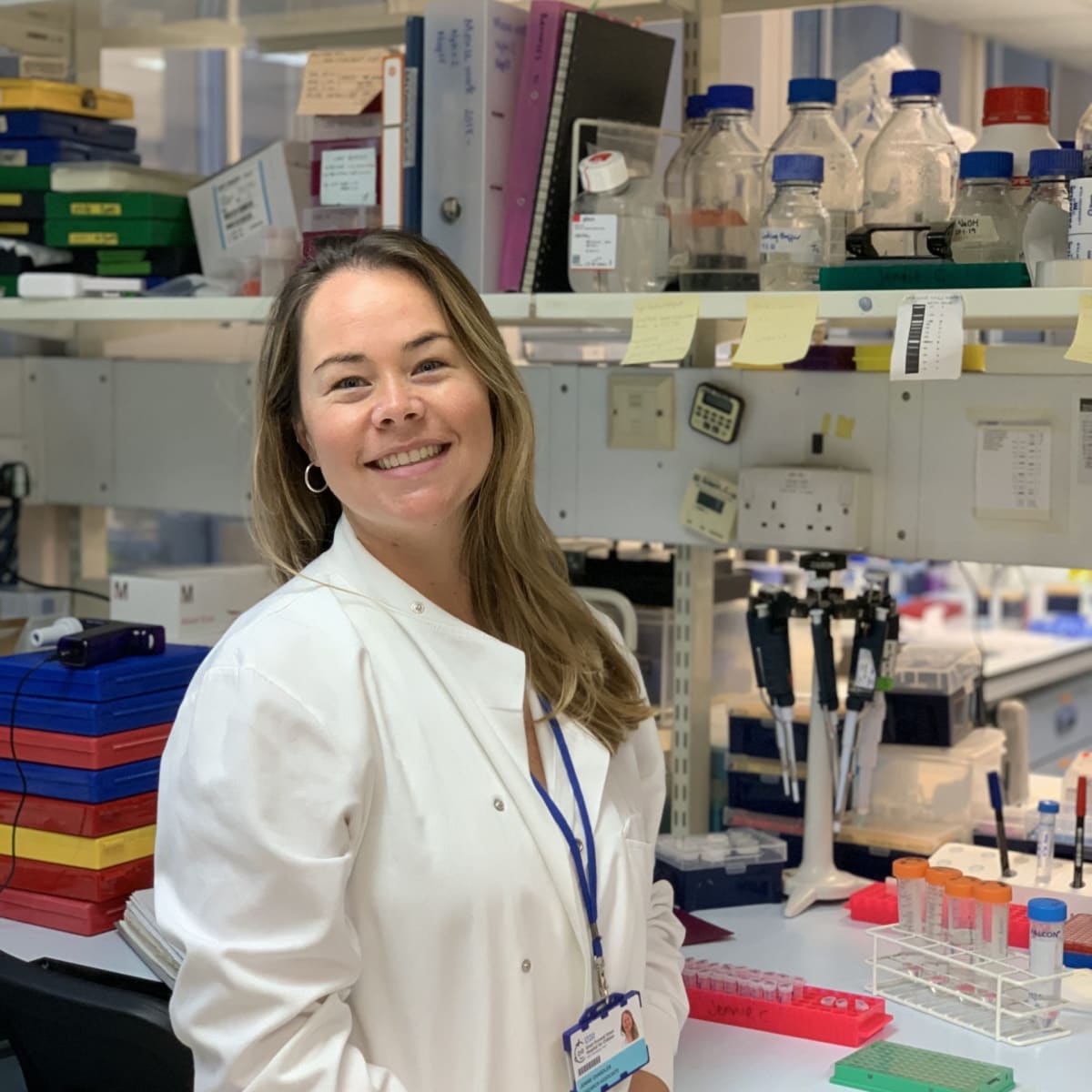
Dr. Jennifer Chandler received £98,000 to develop a treatment that targets the root cause of ARPKD, which affects roughly 1 in 20,000 babies. Unlike adult kidney diseases that progress slowly over decades, ARPKD can devastate tiny kidneys within years, and until now, no treatments existed to slow it down.
The disease starts with a genetic glitch that disrupts a crucial protein needed for healthy kidney function. When that protein fails, cysts begin forming and growing. Dr. Chandler's approach aims to restore the working part of that protein, allowing kidney cells to function normally again.
The delivery method sounds like science fiction but relies on proven technology. The team uses a modified virus that cannot cause disease but excels at entering human kidney cells. Think of it as a microscopic delivery truck carrying genetic instructions straight to the cells that need help most.
Once inside, the cells use these instructions to produce the missing protein themselves. The researchers will test this approach using human kidney cells with the most common ARPKD genetic mutation to see if it can reduce cyst formation.
"Children with rare kidney diseases have waited far too long for treatments designed specifically for them," Dr. Chandler explained. Her team is working to change that reality by developing therapies tailored to childhood conditions rather than adapting adult treatments.
Why This Inspires
This research represents more than hope for ARPKD patients. It demonstrates a growing commitment to treating rare childhood diseases that pharmaceutical companies have historically overlooked because they affect smaller patient populations.
The project is part of the PKD Partnership, a collaboration between Kidney Research UK and the PKD Charity. By focusing on childhood kidney diseases, these organizations are filling a critical gap in medical research and giving families something they desperately need: options.
Dr. Chandler's work could also inform treatments for other rare kidney conditions in children. The same delivery system and approach might be adapted for different genetic kidney diseases, potentially helping thousands of children worldwide.
For families watching their children struggle with ARPKD, this research offers something powerful: scientists who see them, understand their urgency, and are building solutions designed specifically for young bodies and young lives.
The next generation of kidney patients might not have to wait for adult treatments to be modified for their small frames.
More Images
Based on reporting by Google News - New Treatment
This story was written by BrightWire based on verified news reports.
Spread the positivity!
Share this good news with someone who needs it