FDA Proposes Fast-Track for Rare Disease Gene Therapies
The FDA just announced a new pathway that could bring life-saving gene editing treatments to patients with rare diseases in record time. For families battling conditions once considered untreatable, this could change everything.
The FDA unveiled a proposal Monday that could revolutionize how patients with rare genetic diseases access potentially life-saving treatments. The new pathway would allow customized gene therapies to reach patients faster, even when traditional large-scale clinical trials aren't possible.
For decades, rare diseases have fallen into a painful gap. Pharmaceutical companies often skip developing treatments because so few patients exist to justify the investment. Families watch their loved ones suffer from conditions that might be treatable, if only someone would take the chance.
The new "plausible mechanism" pathway changes that equation entirely. Researchers who can demonstrate a clear scientific reason their therapy should work, and prove it successfully targets the genetic problem, could get FDA authorization after treating just a handful of patients.
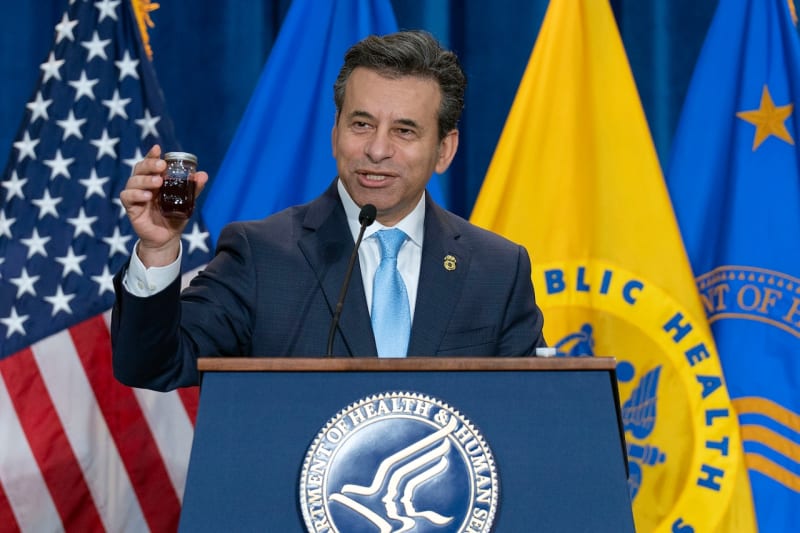
FDA Commissioner Marty Makary emphasized the agency's commitment to "remove barriers and exercise regulatory flexibility to encourage scientific advances." This isn't just bureaucratic shuffling. It's a recognition that innovation in medicine sometimes needs new rules.
The timing couldn't be better. Last year, researchers at Children's Hospital of Philadelphia used CRISPR gene editing to treat a baby with a rare blood disorder that causes dangerous ammonia buildup. These breakthrough moments are happening more frequently as scientists master the ability to correct genetic defects at their source.
Unlike the existing "compassionate use" program, which is difficult to navigate and prevents companies from profiting, this new pathway offers a sustainable business model. Companies and researchers could actually commercialize these treatments, creating real incentive to develop therapies for tiny patient populations.
The proposal specifically targets well-understood conditions where scientists can clearly explain how the therapy will work on the underlying genetic or cellular biology. Researchers must still confirm their treatment successfully corrected the patient's specific abnormality.
The Ripple Effect
This shift could spark a wave of innovation across academic labs and biotech startups. Researchers who've shelved promising ideas because the approval process seemed impossible now have a viable path forward. Children born with devastating genetic conditions might grow up to see their disorder become treatable rather than terminal.
The FDA is accepting public comments for 60 days before finalizing the guidance. For patient advocates who've fought for years to modernize the approval process, this represents a major victory that could save countless lives in the coming decades.
Hope just got a new address, and it's written in genetic code.
Based on reporting by Google: new treatment approved
This story was written by BrightWire based on verified news reports.
Spread the positivity!
Share this good news with someone who needs it