Finland Study: Thriving in Care Homes is Measurable
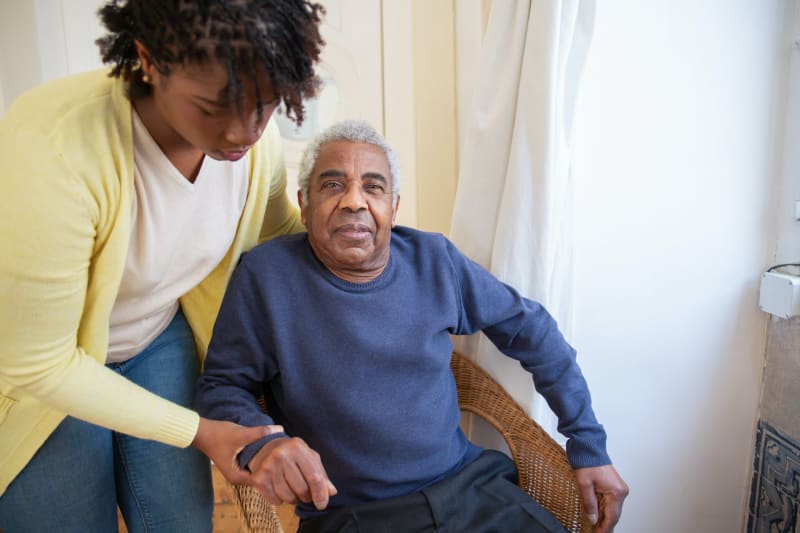
A groundbreaking Finnish study proves that quality of life for elderly care home residents isn't just a feeling—it's measurable, and it directly reflects how good their care actually is. The research identifies five key factors that help seniors thrive, with social connection topping the list.
Imagine being able to measure happiness and wellbeing as precisely as blood pressure. That's exactly what researchers at Åbo Akademi University in Finland have achieved for elderly care home residents.
Ann-Sofie Silvennoinen's doctoral research is the first in Finland to examine how older adults experience thriving in care homes. Her work reveals that thriving isn't abstract—it's a concrete indicator of care quality that healthcare systems can track and improve.
The study identified five factors that influence whether elderly residents thrive. These include their attitude toward living in a care home, the quality of care and caregivers, activities and social interactions, the physical environment, and their overall health.
The most powerful finding? Social engagement matters most. Taking part in meaningful activities, feeling part of a community, and being acknowledged by others showed the strongest connection to how well residents felt they were thriving.
The research also uncovered an important gap. Women generally reported higher thriving levels than men, suggesting that male residents' needs may be overlooked in a care sector where most residents and caregivers are female.
"Thriving in an older person reflects how the individual experiences safety, meaningfulness, and overall wellbeing in their life situation," Silvennoinen explains. Understanding these factors allows caregivers to support a person's identity and sense of purpose, even in their final years.
The Ripple Effect
The implications extend far beyond individual happiness. When elderly residents thrive, they often need less medication and fewer intensive care interventions. This makes thriving not just a quality-of-life issue but an economic cornerstone of sustainable healthcare systems.
The best news? The interventions that promote thriving are surprisingly simple to implement. Enhancing social interactions, creating calm and homelike environments, honoring residents' life stories, and encouraging participation don't require expensive technology or extensive training.
These small changes can substantially improve both care quality and resource efficiency. As populations age worldwide, this research offers a roadmap for care systems facing mounting pressure from rising numbers of elderly residents.
Silvennoinen's work arrives at a critical moment. Both Finland and countries globally are grappling with how to provide dignified, effective care for growing numbers of older adults. Her research proves that person-centered approaches aren't just compassionate—they're practical and economically sound.
The study shows that dignity, participation, and quality of life aren't luxury add-ons to medical care—they're measurable outcomes that benefit everyone involved.
More Images


Based on reporting by Medical Xpress
This story was written by BrightWire based on verified news reports.
Spread the positivity!
Share this good news with someone who needs it