First Commercial Space Station Nears 2027 Launch
Haven-1, the world's first commercial space station, has completed its primary structure and is now entering clean room integration. The pioneering orbital outpost could beat competitors by years and help fill the gap when the International Space Station retires in 2030.
The world's first privately built space station just passed a major milestone that brings humanity closer to a new era of space exploration.
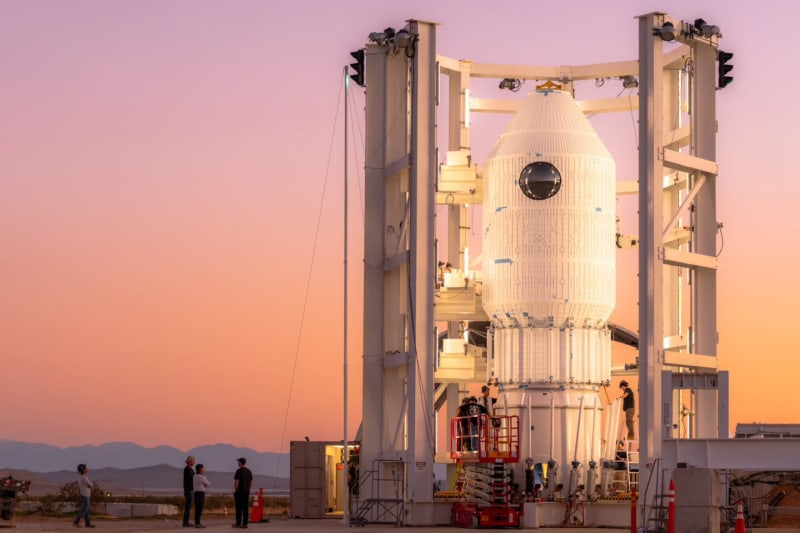
Vast Space completed the primary structure of Haven-1 on January 10, marking a critical step toward launching the commercial space station in early 2027. The company is now assembling the 15-ton orbital habitat in a clean room, installing thermal controls, propulsion systems, and interior shells before final testing later this year.
Haven-1 represents something remarkable. While NASA faces a time crunch to replace the aging International Space Station by 2030, this smaller commercial station could launch years ahead of competitors and prove that private companies can build safe, functional homes in orbit.
The mission plan reflects careful ambition. After an uncrewed Falcon 9 launch, Haven-1 will undergo at least two weeks of safety checks before SpaceX sends the first crew aboard a Dragon capsule. Vast CEO Max Haot says his team could have astronauts aboard as quickly as two weeks after launch, though they have up to three years to complete the mission.
The station will host crews for two-week stays, with Vast planning at least four missions during Haven-1's three-year lifetime. The company is currently negotiating with private individuals and nations to fill those crew slots, with training requiring six months to a year.
What happens after proves even more exciting. Vast has invested a billion dollars and employs 1,000 people building the infrastructure to mass produce follow-on modules. Haven-2's first module will use nearly identical components to Haven-1, just with improvements learned from the first station.
The Ripple Effect
This approach of building smaller, iterative stations changes the game. Rather than waiting for one massive facility, multiple commercial outposts could provide continuous access to low Earth orbit for research, manufacturing, and exploration. Nations and companies that could never afford their own space programs may soon book time aboard commercial stations.
The technology and systems Vast perfects on Haven-1 will flow directly into larger, more capable stations. Each mission provides real-world data that makes the next one safer and more efficient.
Four companies are competing for NASA contracts to build commercial stations, but Vast's strategy of launching a working prototype first could prove decisive. Building and flying Haven-1 in under four years demonstrates the kind of speed and innovation that makes space access more affordable and routine.
As the International Space Station approaches retirement after decades of groundbreaking service, Haven-1 shows that the next chapter of human spaceflight is already taking shape in clean rooms on Earth.
More Images



Based on reporting by Google News - Technology
This story was written by BrightWire based on verified news reports.
Spread the positivity!
Share this good news with someone who needs it