First Drug to Reverse Age-Related Blindness Enters Trials
A Boston biotech company just dosed its first patient with a drug designed to restore vision lost to aging. The breakthrough therapy already reversed blindness in monkeys and could help millions facing glaucoma and similar conditions.
Millions of people lose their vision to age-related conditions, but a groundbreaking drug might turn back the clock on blindness itself.
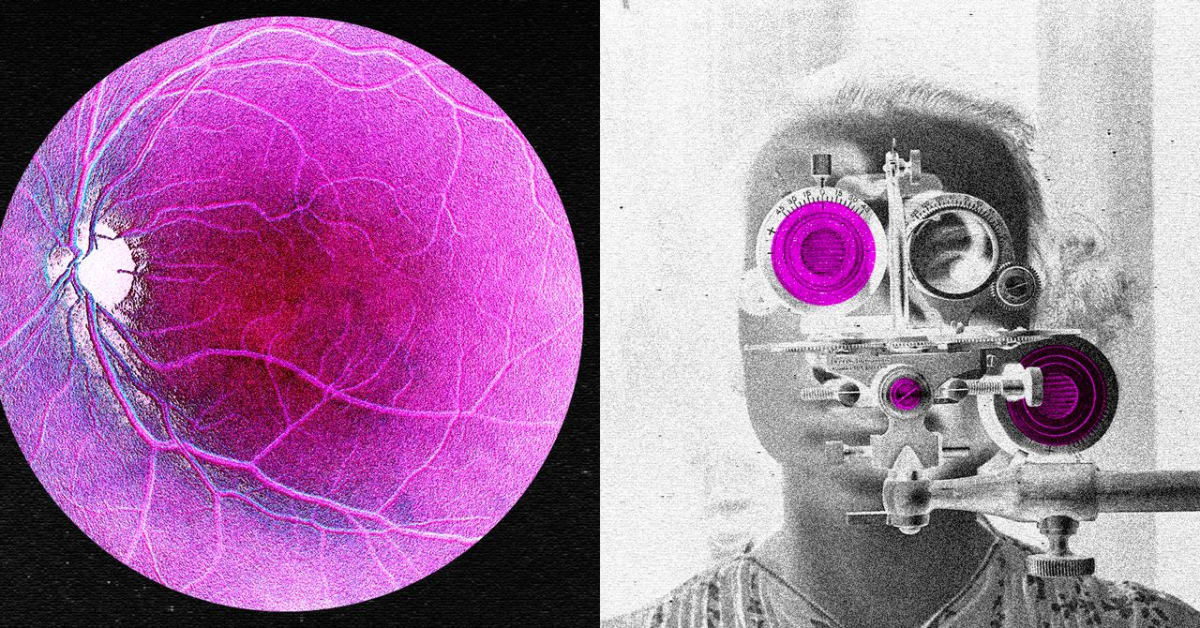
Life Biosciences in Boston just treated its first human patient with ER-100, a cellular rejuvenation therapy designed to restore sight lost to glaucoma and NAION. Both conditions damage cells in the optic nerve that carry visual information from the eye to the brain.
The drug works by rejuvenating those damaged cells so they function again. In monkey studies, ER-100 actually restored vision that had been lost.
This marks a historic moment in longevity science. The FDA has never before approved a cellular rejuvenation therapy like this for human trials, making it the first real-world test of whether aging cells can be reversed to fight disease.
The trial will follow around 18 adults over the next year, testing the drug's safety and side effects. But the implications reach far beyond vision.
Harvard Medical School genetics professor David Sinclair, who cofounded Life Biosciences, believes aging stems from loss of epigenetic information rather than permanent damage. That means the deterioration might be reversible.
The company is already developing applications for other age-related diseases, including fatty liver disease. If ER-100 proves safe and effective for vision, the same technology could eventually tackle aging in multiple organs throughout the body.
The Ripple Effect
This trial represents more than hope for people facing blindness. It tests a fundamental question about human aging itself: can we restore youth to our cells?
If the answer is yes, we might be looking at treatments for dozens of conditions currently considered irreversible consequences of getting older. Heart disease, dementia, organ failure, even frailty could become treatable by rejuvenating the cells that have lost their function.
The technology has attracted major attention across the biotech industry. Researchers worldwide are watching to see if what worked in monkeys will translate to humans.
For now, 18 brave volunteers are helping science answer a question that could reshape medicine: can we really reverse aging at the cellular level?
The first results will arrive within a year, but the impact could last generations.
More Images


Based on reporting by Wired
This story was written by BrightWire based on verified news reports.
Spread the positivity!
Share this good news with someone who needs it