First Plane Flies on Solid-State Batteries in Florida
A test pilot in Florida just made aviation history by flying the world's first crewed aircraft powered entirely by solid-state batteries. The breakthrough could finally make electric flight practical for everyday travel.
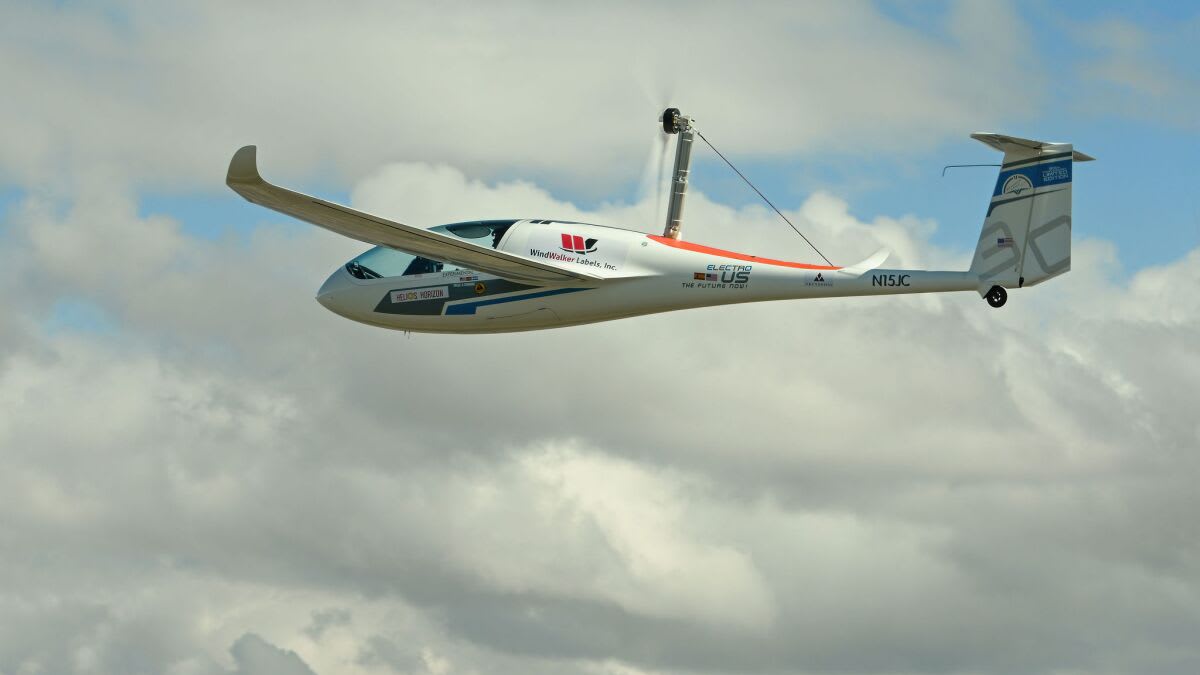
On June 5, test pilot Miguel Iturmendi took off from a Florida airport in an aircraft that could change how we fly forever. His plane, the Helios Horizon, became the first crewed fixed-wing aircraft to fly using solid-state batteries instead of conventional lithium-ion power.
The flight itself was short and simple. Iturmendi ran a series of quick tests to check the aircraft's balance with the new batteries installed. But the distance didn't matter because the technology did.
Electric planes have always faced the same stubborn problem: batteries are too heavy for the energy they hold. Traditional lithium-ion batteries use liquid chemicals to store power, which limits how much energy they can pack into each kilogram. That makes long flights impossible without carrying so much battery weight that the plane can barely get off the ground.
Solid-state batteries solve this by replacing the liquid with solid materials. The result is a battery that holds far more energy in the same weight, resists damage better, and carries almost no fire risk.
The numbers tell the story. The Helios Horizon's old lithium-ion pack delivered 260 watt-hours per kilogram. The new solid-state cells hit 410, a 60% jump in energy storage. Iturmendi expects another 40% improvement within two years.
The aircraft also recharges simply. It plugs into any standard AC outlet, but can fast-charge to 80% in under 15 minutes. Wing-mounted solar panels and a regenerative system that turns the propeller into a wind turbine during descents add extra range during flight.
Iturmendi and his team built the Helios Horizon from a Pipistrel Taurus motorized glider, adding custom battery management, propulsion systems, and solar wing extensions. The plane already holds the world altitude record for electric aircraft in its weight class at 24,000 feet. The team plans to reach 40,000 feet later this year, matching where commercial jets cruise.
The Ripple Effect
Other companies are racing toward solid-state flight too. Chinese company EHang flew its two-seat aircraft for 48 minutes on solid-state batteries. Battery maker CATL has developed cells that store even more energy and says it's testing them for aviation. Airbus and Renault are working together to enable electric medium-haul flights by the 2030s.
Most of these programs remain experimental, far from the regulatory approvals needed for passenger service. The Helios Horizon flight marks the first real crossing of that threshold. It proves the technology works in the air with a human pilot, not just in a lab.
If battery energy density keeps improving at the current pace, we could see short electric passenger flights within a decade. The quiet hum of an electric motor could replace jet engine roar on regional routes, cutting emissions and opening airports to neighborhoods that can't handle today's noise.
History books will remember June 5 as the day electric aviation went from theory to reality.
More Images


Based on reporting by New Atlas
This story was written by BrightWire based on verified news reports.
Spread the positivity!
Share this good news with someone who needs it