Fish and Crabs Return to Nigeria's Cleaned Ogoni Creeks
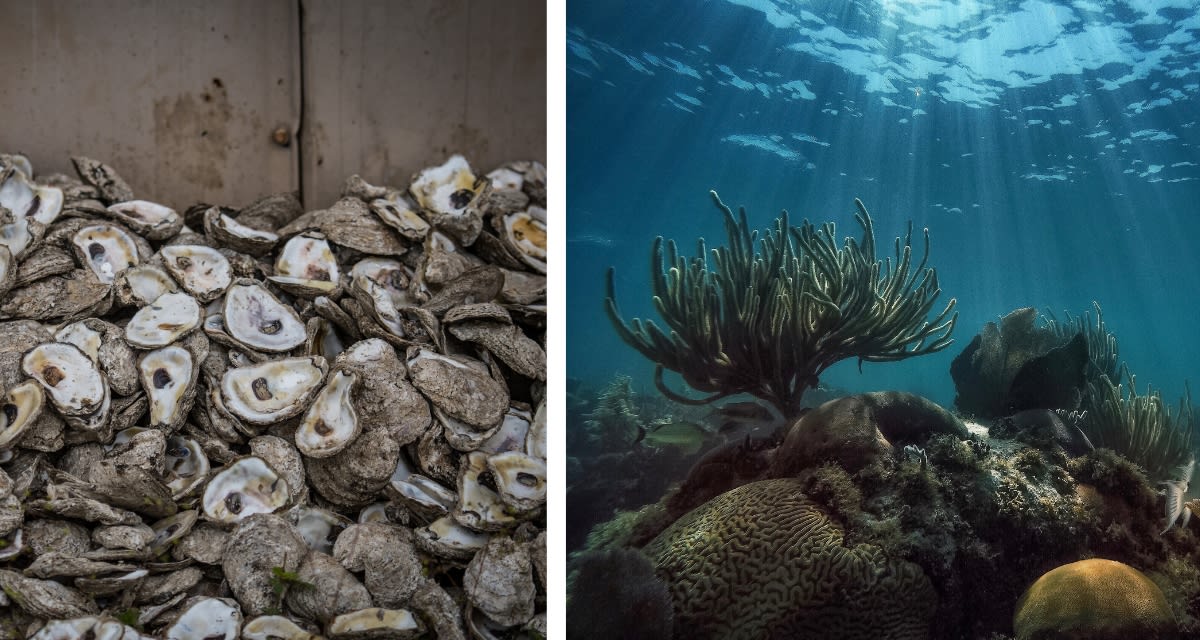
After a decade of environmental cleanup in Nigeria's oil-polluted Ogoniland, fish, crabs, periwinkles, and shrimp are swimming back into creeks that were once lifeless. The return of marine life signals a major win for one of the world's largest environmental restoration projects.
The waterways of Ogoniland are teeming with life again. After years of devastating oil pollution in Nigeria's Rivers State, fish and crabs are returning to creeks that local communities depend on for food and income.
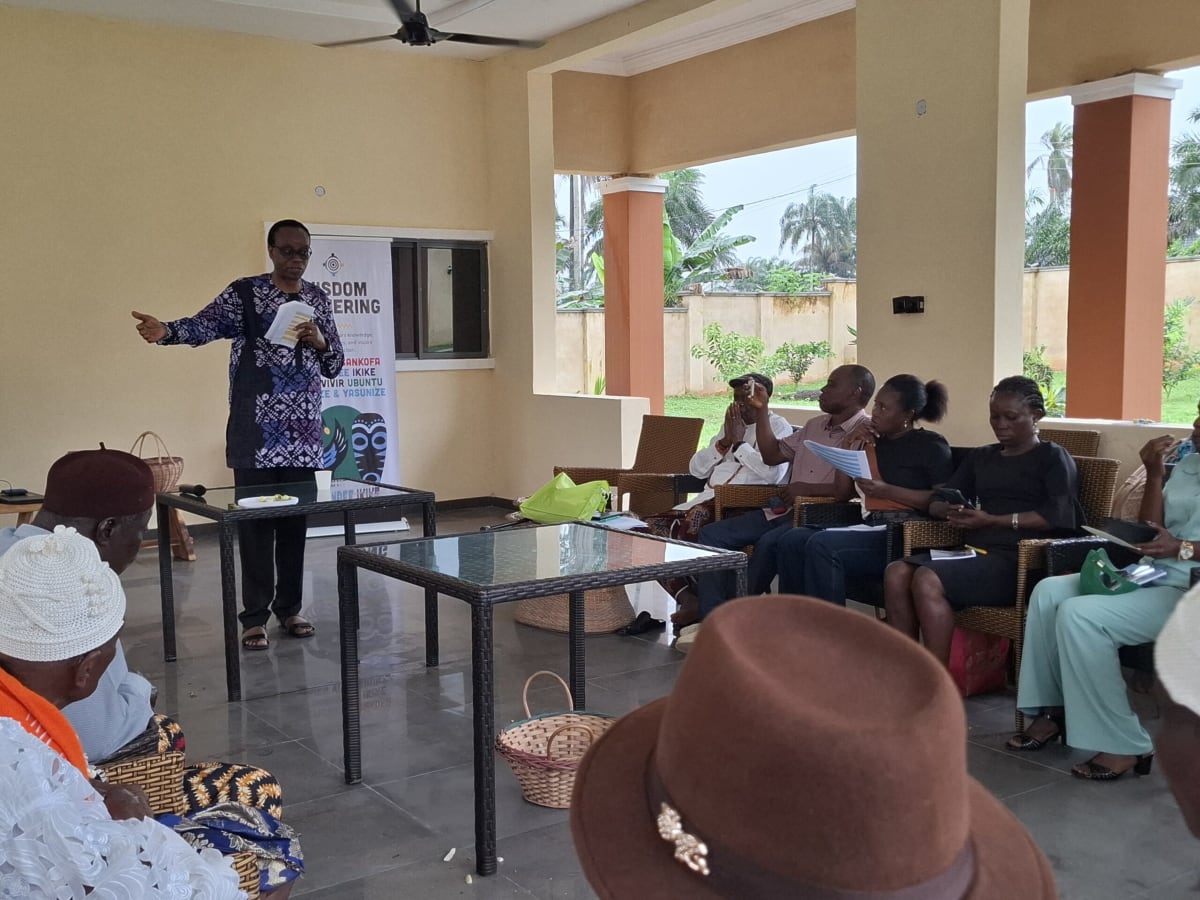
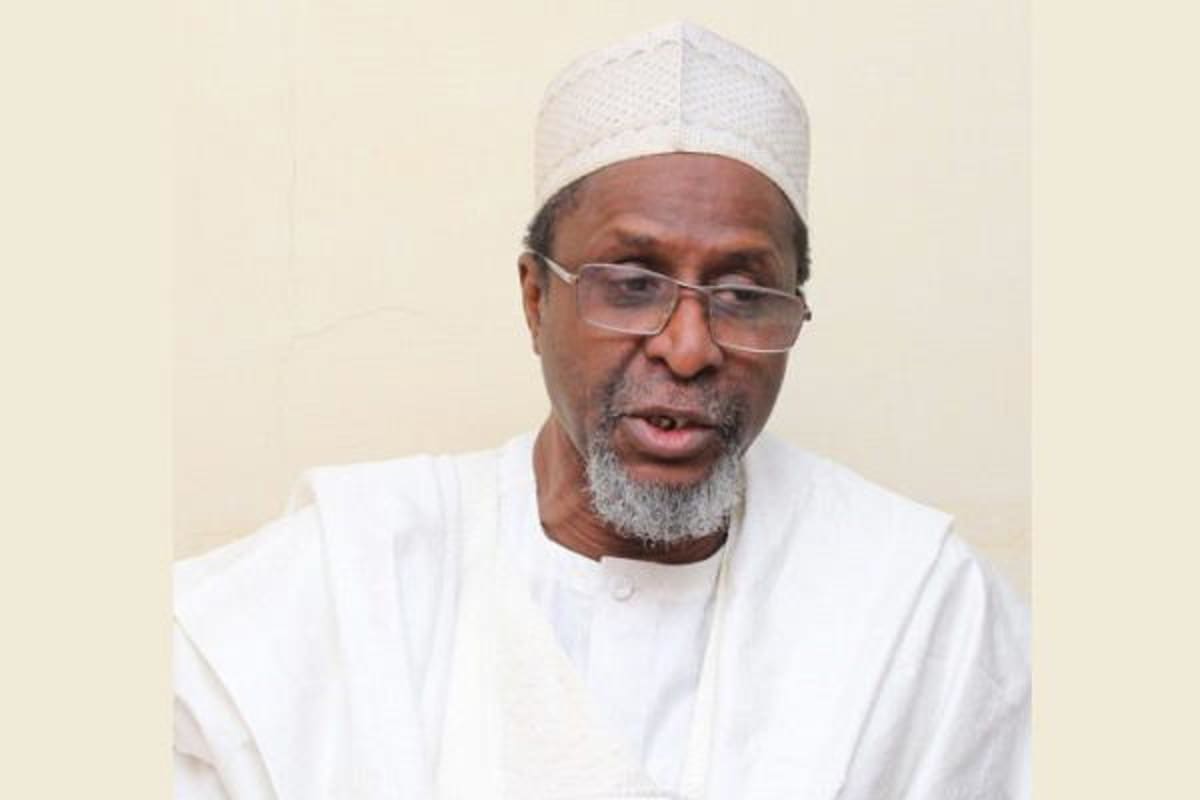
The Nigerian government marked ten years of cleanup efforts in the Ogoni region this week, unveiling a monument in Bodo City to celebrate the progress. Minister of Environment Balarabe Lawal announced that most creeks across the area now show clear signs of ecosystem recovery.
"The fish, periwinkles, crabs and shrimps are back," Lawal told gathered residents. "This is vital for the local economy and community livelihoods."
The Hydrocarbon Pollution Remediation Project represents the world's largest oil cleanup and the biggest mangrove restoration program ever undertaken. Over the past decade, teams have cleaned contaminated soil and groundwater, restored mangroves, and built health facilities and power infrastructure for affected communities.
The project has also created more than 8,500 direct jobs for local residents. This week alone, cleanup coordinators presented maritime certificates to 1,420 community workers, training them for the next phase of shoreline restoration.
Professor Nenibari Zabbey, who coordinates the cleanup, acknowledged the journey hasn't been easy. Community disputes and access challenges slowed progress at times. But cooperation among local leaders, government officials, and environmental experts helped push the work forward.
The Ripple Effect
The returning marine life means more than just environmental success. For Ogoni families who've relied on fishing for generations, healthy waterways restore both income and food security. Women who harvest periwinkles can return to work. Young people trained in restoration techniques now have specialized skills for environmental careers.
The project also demonstrates that even severe environmental damage can be reversed with sustained effort and investment. Waterways once choked with oil pollution now support thriving ecosystems again.
Project leaders are now moving into the second phase, tackling more complex contamination sites while continuing mangrove restoration. They're also urging communities to protect the recovering ecosystem by avoiding overharvesting and illegal mangrove cutting.
President Bola Tinubu has declared the Ogoni cleanup a national priority, directing teams to speed up completion of remaining work. The newly unveiled monument stands as a permanent reminder of the government's commitment to finishing what was started a decade ago.
As marine life returns and mangroves grow tall again, Ogoniland shows the world that damaged ecosystems can heal when communities refuse to give up.
Based on reporting by Vanguard Nigeria
This story was written by BrightWire based on verified news reports.
Spread the positivity!
Share this good news with someone who needs it