Fish Could Solve Africa's Food Insecurity Crisis
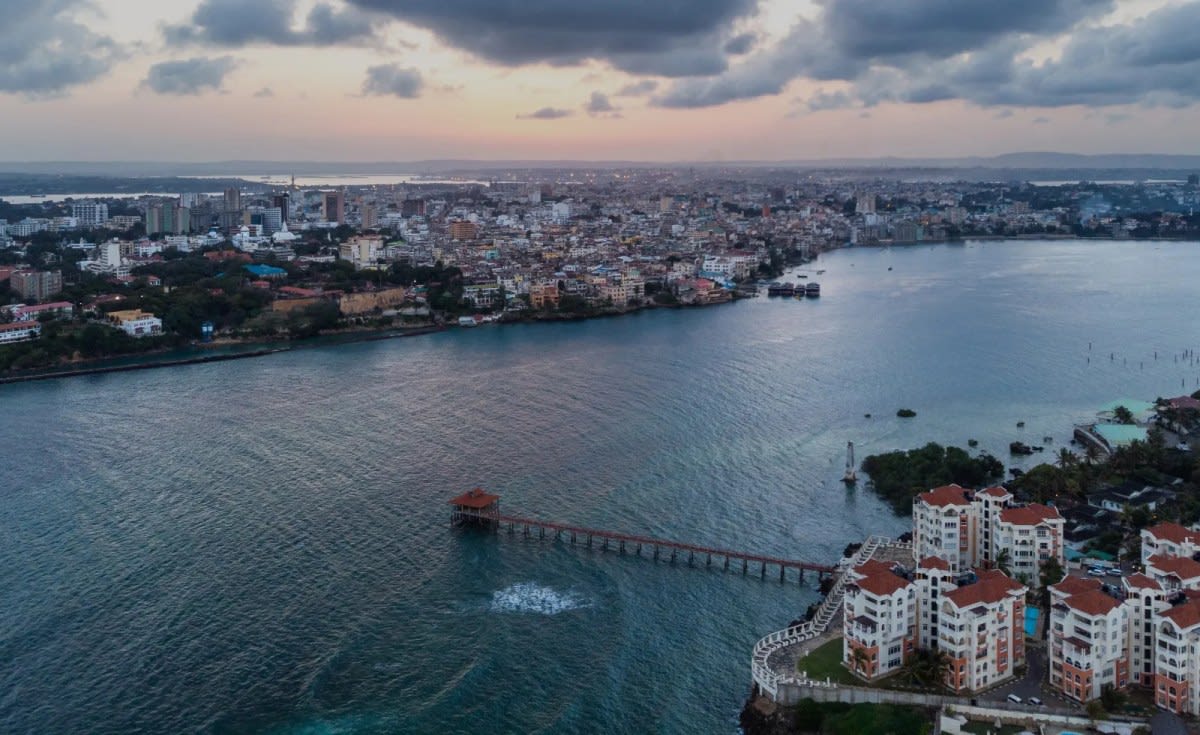
Millions of Africans already depend on fish for nutrition and jobs, but experts say this affordable superfood remains overlooked in fighting hunger. At the Ocean Conference in Mombasa, scientists revealed why protecting fisheries could transform food security across the continent.
Fish might be Africa's secret weapon against hunger, and coastal communities have known it for generations.
Dr. Christina Hicks, a professor at Lancaster University and Oceana Board member, spoke at the 11th Our Ocean Conference in Mombasa about why fish deserves more attention in Africa's food future. Fish are packed with micronutrients that bodies need in tiny amounts but often lack, especially critical for pregnant mothers and young children in their first 1,000 days of life.
The benefits go beyond nutrition. Fish costs less than beef, chicken, or goat while delivering the same essential nutrients. Dried fish travels easily without refrigeration, reaching communities far from water through informal markets and networks across the continent.
Women play a crucial role in this system. When large quantities of seasonal fish like Omena in East Africa or Yaboi in West Africa get caught at once, women dry them in the sun to prevent waste. These dried fish then travel on lorries to inland areas, staying affordable for low-income families who consume most of Africa's fish this way.
But ocean health faces serious threats. Pollution from factories, agriculture, and tourism is damaging coastal ecosystems from East to West Africa. In West African communities near industrial sites, people are reporting the first cases of toxic algal blooms linked to skin lesions, plus rising respiratory illness in children and elderly residents.
The problem extends beyond pollution. Climate change and overfishing strain marine ecosystems while new fishing access agreements and export markets often overlook local food needs. Traditional and modern fishing management practices that sustained communities for thousands of years need stronger support and enforcement.
The Bright Side
Africa already has the infrastructure for a healthier food system. Fisheries exist along every coastline, in lakes, and rivers throughout the continent. Communities possess generations of knowledge about sustainable fishing and food distribution. The path forward requires protecting these existing resources rather than building from scratch.
Dr. Hicks envisions a truly healthy food system where everyone accesses nutritious diets regardless of gender, age, or ethnicity. This includes traditional African whole grains like sorghum, millet, and teff paired with micronutrient-rich fish. It means protecting fisher rights to decent wages and safe working conditions while ensuring affordable, healthy food reaches all communities.
The solution combines old wisdom with new commitment: enforce pollution regulations, support local fishing communities, and recognize fish as the accessible superfood it has always been.
Based on reporting by AllAfrica - Headlines
This story was written by BrightWire based on verified news reports.
Spread the positivity!
Share this good news with someone who needs it