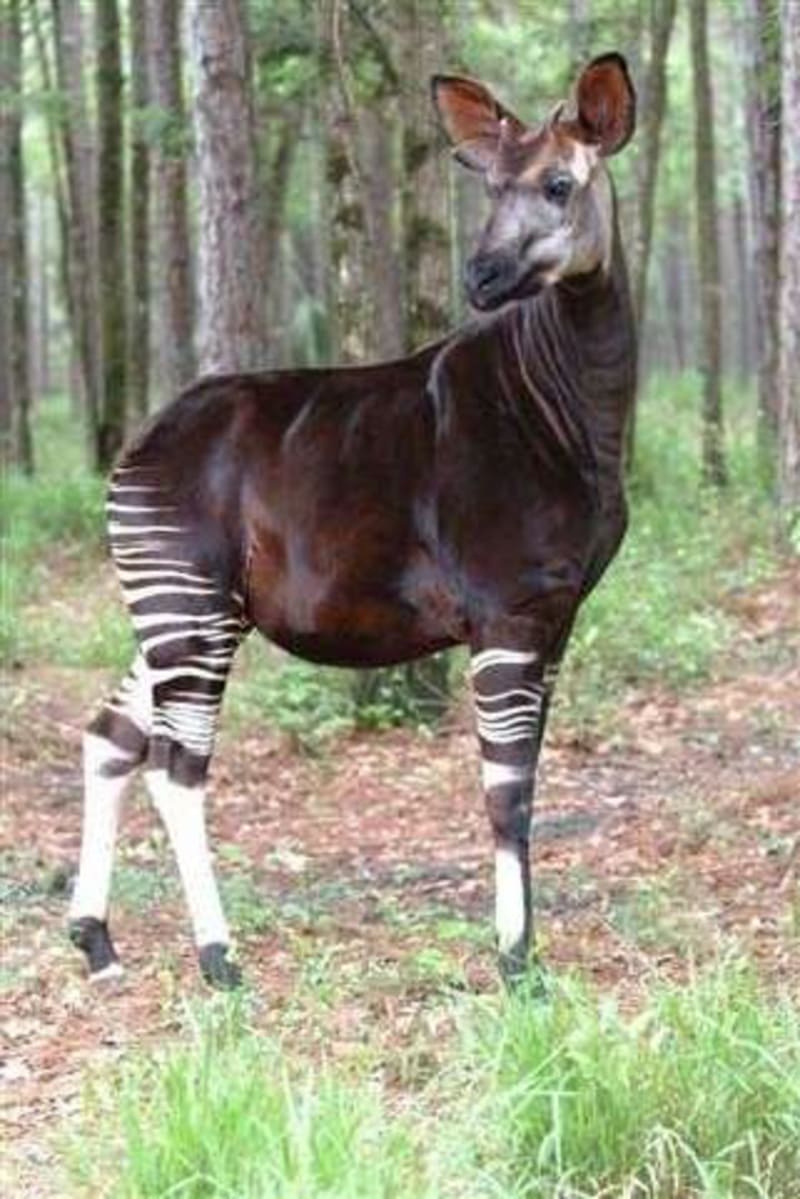
Florida Lab Saves Endangered Okapi with Freezing Tech
Scientists at Florida's White Oak Conservation Center are using microscopic freezing technology to preserve endangered animal genetics without removing more animals from the wild. Their breakthrough could help save species like the okapi from extinction.
A wildlife research center in North Florida has cracked the code on preserving endangered species genetics, and the solution involves freezing sperm samples at precisely controlled temperatures.
The White Oak Conservation Center spans 600 acres along the St Mary's River, surrounded by thousands of acres of natural habitat. Founded in 1982, the facility has become a leader in developing reproductive techniques that could save critically endangered animals like the okapi, a rare giraffe relative found only in Congo's rainforests.
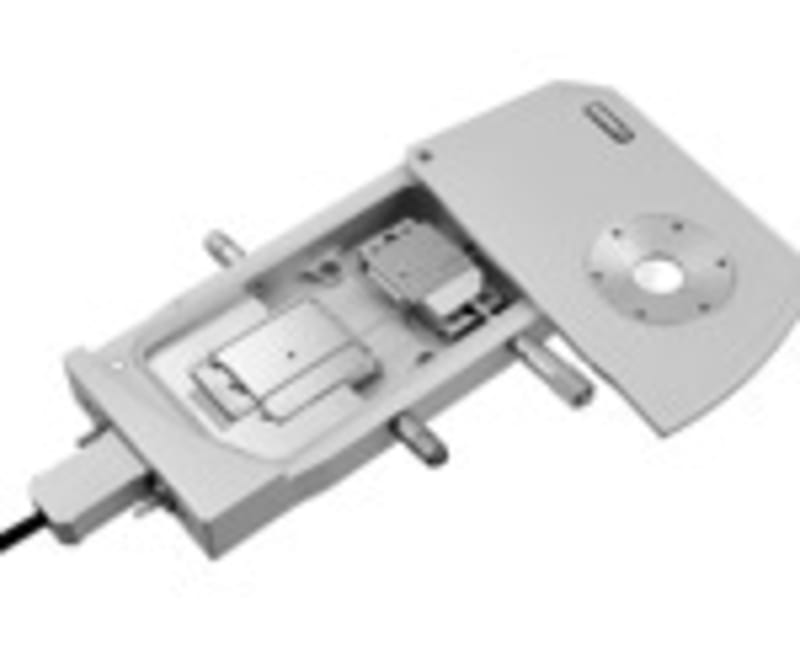
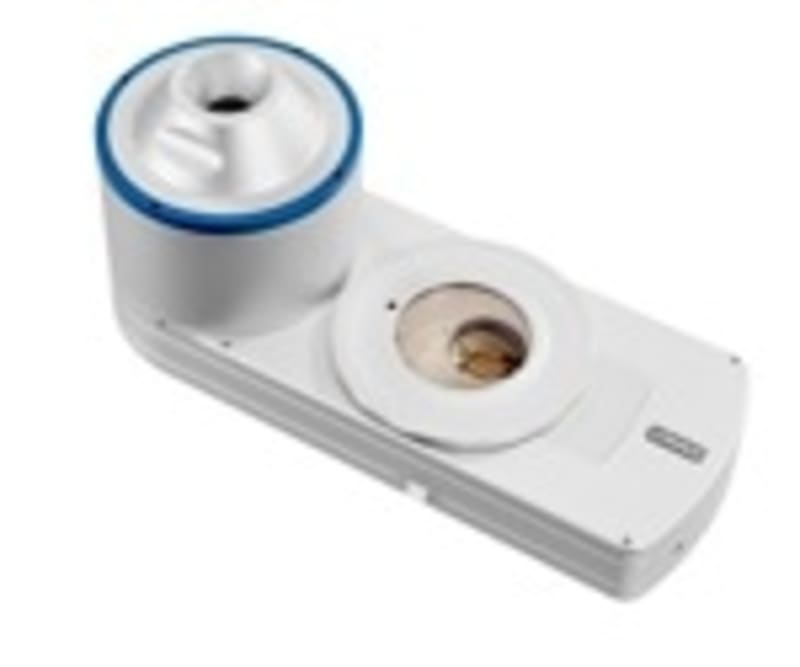
Dr. Penfold and her team developed a system using specialized microscope stages that can freeze and thaw animal sperm while maintaining its viability. The technology allows researchers to collect genetic material from wild animals and transport it to captive populations for artificial insemination.
This approach solves a major conservation challenge. In the past, maintaining genetic diversity in endangered species meant capturing more animals from shrinking wild populations. Now, researchers can preserve and share genetics without disrupting animals in their natural habitats.
The process works by placing sperm samples on a cooling stage attached to a fluorescence microscope. The stage controls temperature changes down to fractions of a degree, crucial for keeping cells alive through the freeze-thaw cycle. Scientists can actually watch ice crystals form in real time and confirm the sperm remains healthy after warming.
White Oak applies these techniques across multiple species, including gerenuk in Kenya and okapi in Congo. The center collaborates with field conservation projects throughout Africa, bridging laboratory innovation with real-world wildlife protection.
The Ripple Effect goes beyond individual animals. By perfecting artificial insemination techniques, conservation centers worldwide can now share genetics across continents. A single sample collected from a wild male in Africa could strengthen captive populations in multiple facilities, multiplying the impact of every conservation dollar spent.
The precision freezing technology has another advantage: it requires tiny sample sizes. Researchers can run multiple tests and develop better protocols without needing large quantities of genetic material, making each field collection session more valuable.
White Oak's work represents a shift in conservation strategy from reactive to proactive. Instead of waiting until species reach crisis levels, facilities can build genetic banks now, preserving options for future reintroduction programs.
The same techniques being perfected on okapi sperm could eventually apply to other critically endangered species facing habitat loss and climate change. What starts as laboratory work in Florida ripples outward, offering hope for wildlife across continents.
More Images

Based on reporting by Google: species saved endangered
This story was written by BrightWire based on verified news reports.
Spread the positivity!
Share this good news with someone who needs it


%2Fhttps%3A%2F%2Ftf-cmsv2-smithsonianmag-media.s3.amazonaws.com%2Ffiler_public%2F6c%2F5f%2F6c5f3401-48da-41c5-8eb0-c7f99032b198%2F11_nabarlek_on_augustus_island__ian_bool.jpg)