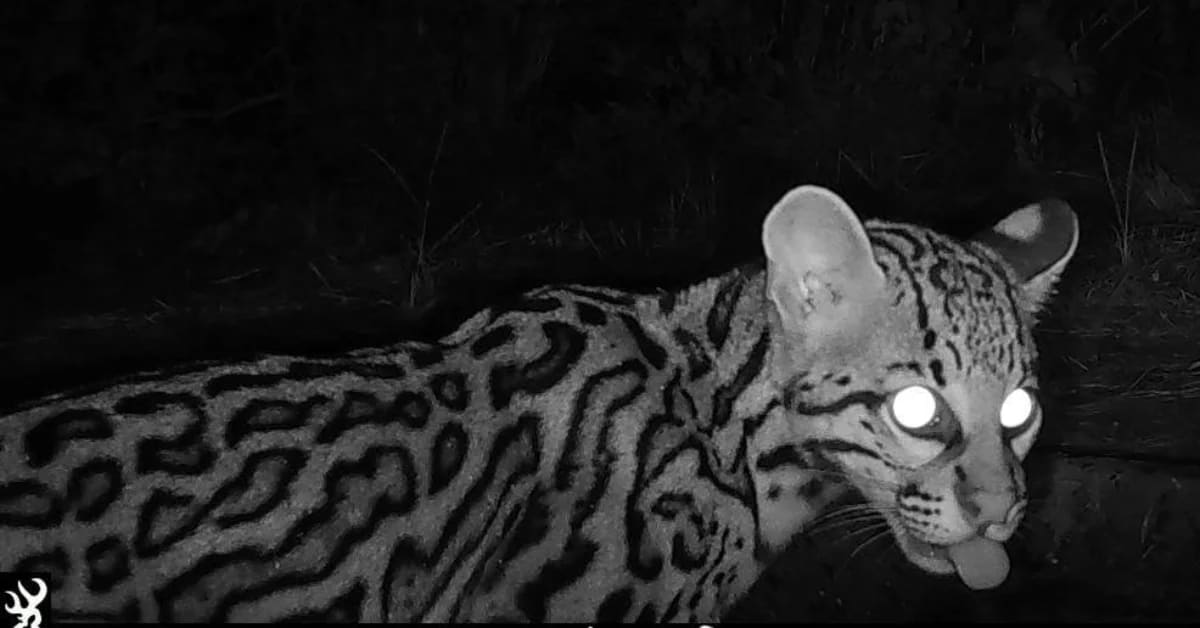
Rare Bongos Return to Kenya Forest After Years Missing
Trail cameras captured mountain bongos in Kenya's Maasai Mau forest, where the rare antelope was thought to be extinct for years. With only 28-40 individuals left in the wild, this discovery brings fresh hope for saving Africa's largest forest antelope.
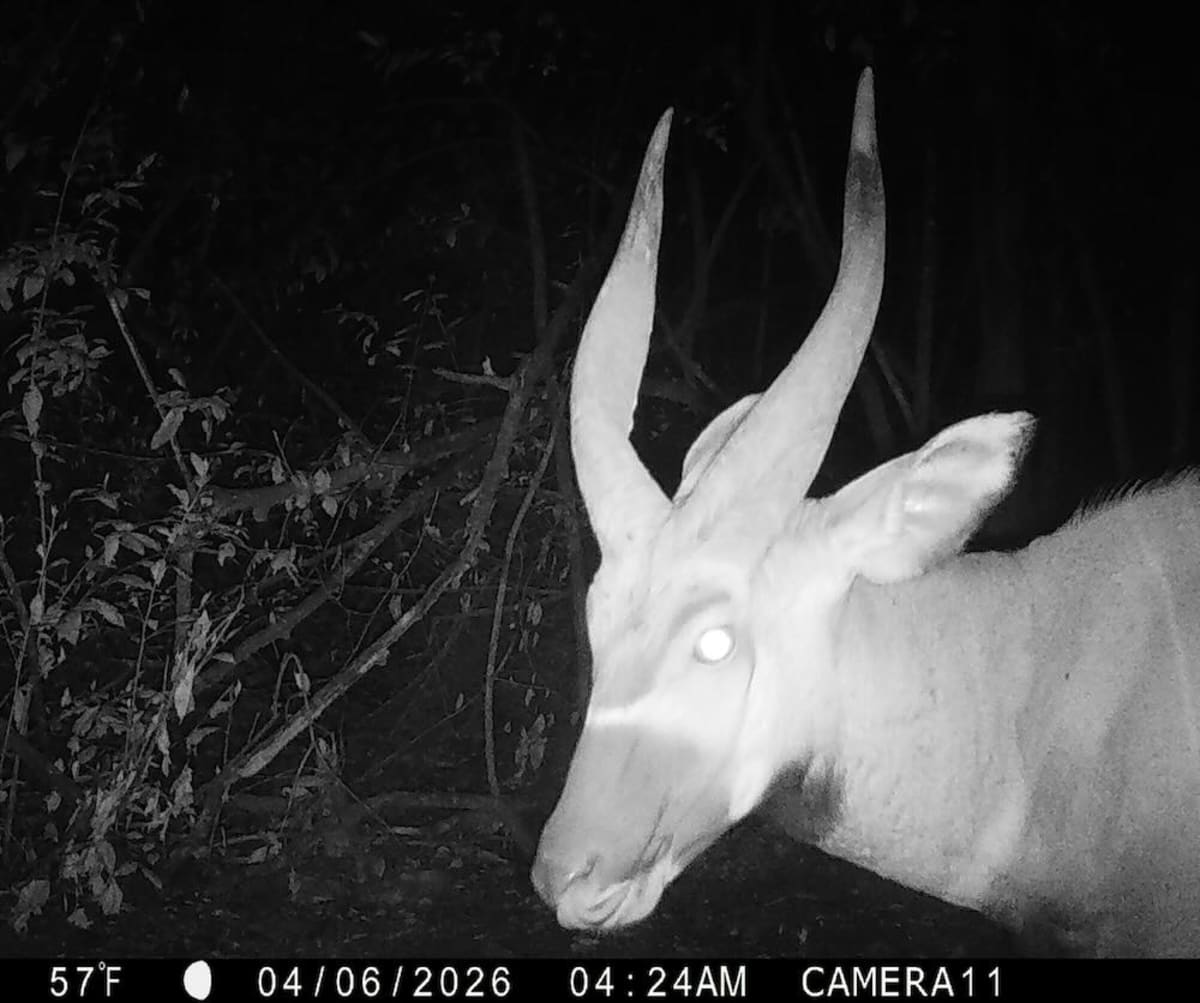
When conservationists reviewed their trail camera footage from Kenya's Maasai Mau forest, the excitement was instant. There on screen was a mountain bongo, one of Africa's rarest animals, exploring a region where scientists feared the species had vanished.
For more than five years, researchers believed wild mountain bongos survived only in Kenya's Aberdare mountains, roughly 200 kilometers away. This new discovery proves at least three bongos (a mature male and two younger animals) are living in Maasai Mau, expanding the species' known range for the first time in years.
"Seeing a bongo here again is incredibly exciting," said Oscar Dyer, Director of Operations for the Mountain Bongo Project. The images resulted from years of fieldwork by Maasai rangers working in one of Kenya's most isolated forests.
Mountain bongos are the largest forest antelope in Africa, but extreme shyness and shrinking habitat make them nearly impossible to track. A high-tech survey by England's Chester Zoo last year counted only 28 individuals in the Aberdares, though the Mountain Bongo Project estimated 40 might remain.
The mature male captured on camera was likely first spotted in 2018, suggesting he stayed hidden for years. If one bongo can remain undetected that long, other animals may still live in the area too.
Why This Inspires
Unlike the protected Aberdares National Park, Maasai Mau lacks official park status. The bongos' return could push conservation groups to increase protections for this critical habitat.
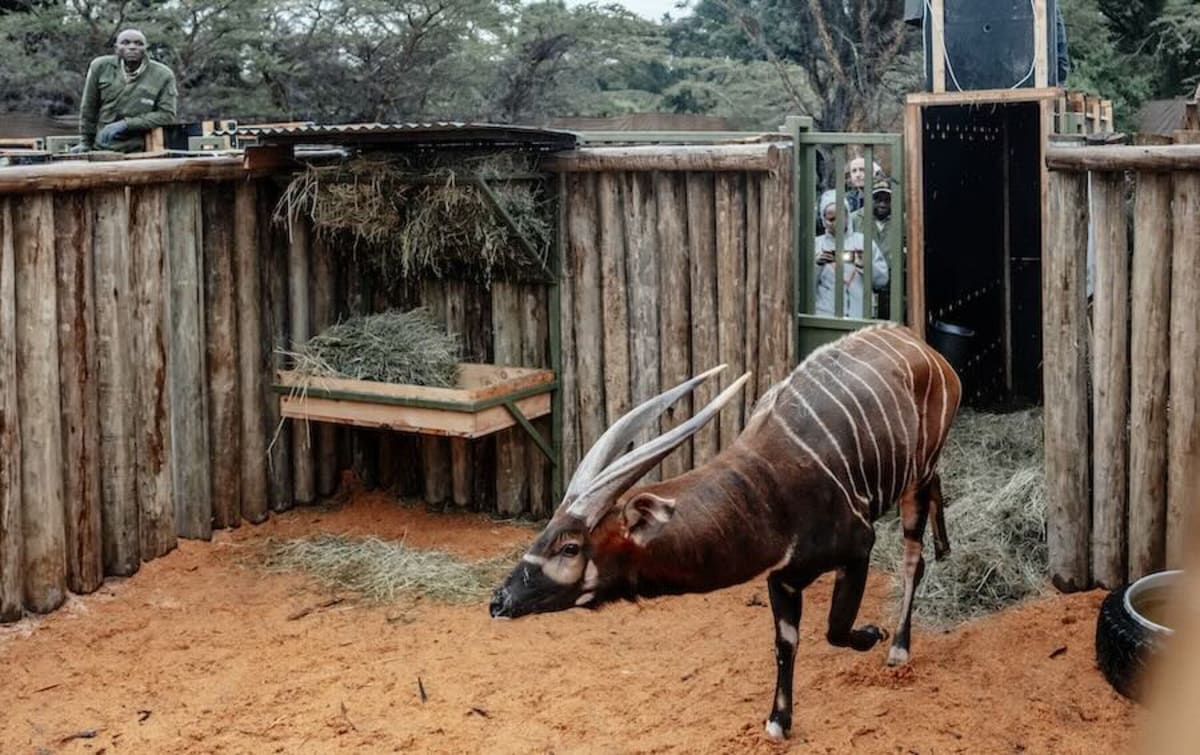
About 900 bongos live in zoos and sanctuaries worldwide, including Kenya's Mount Kenya Wildlife Conservancy. Four European-born males recently arrived from zoos to help preserve genetic diversity in the sanctuary population, potentially providing a path to boost wild numbers.
Bongos historically faced threats from hunting and collectors. Today, logging and farming pose the biggest dangers since the antelopes prefer the same volcanic soil and water-rich areas that farmers want.
"The mountain bongo is not beyond saving, but it does need us to act together," Dyer said. Through collaboration between the Mountain Bongo Project, Chester Zoo, and local partners, knowledge and persistence are creating real impact on the ground.
The world would be poorer without these magnificent creatures making Kenya's forests more magical.
More Images

Based on reporting by Good News Network
This story was written by BrightWire based on verified news reports.
Spread the positivity!
Share this good news with someone who needs it