Florida Scientists Find 3 New Bacteria in Rare Whales
Researchers studying stranded pygmy sperm whales off Florida's coast discovered three never-before-seen bacteria types, opening a window into the hidden health of one of the ocean's most mysterious creatures. The 20-year study reveals how much we still don't know about life beneath the waves.
Scientists studying one of the ocean's most elusive animals just uncovered three bacteria species that had been hiding in plain sight for decades.
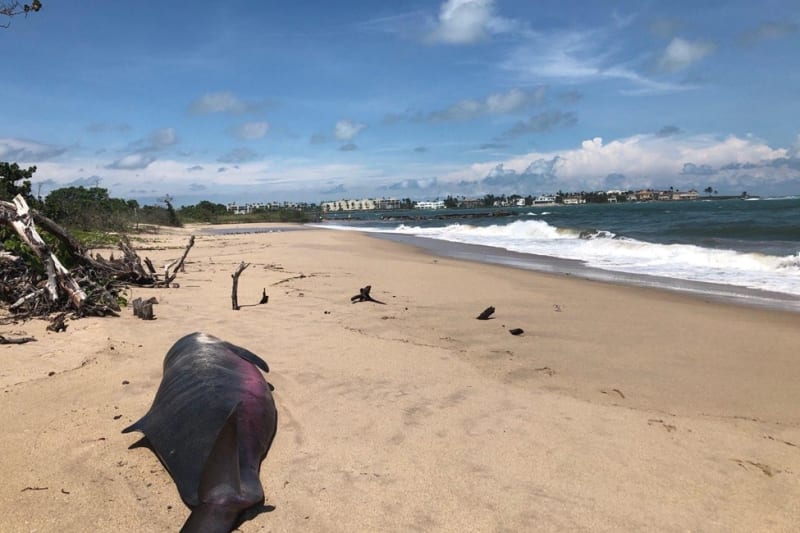
Researchers at Florida Atlantic University's Harbor Branch Oceanographic Institute analyzed tissue samples from pygmy sperm whales that stranded along Florida's southeastern coast between 1999 and 2020. What they found surprised them: three previously unknown types of Helicobacter bacteria living in the whales' stomachs.
Pygmy sperm whales are among the least understood marine mammals on Earth. They live far offshore in small groups, diving deep to hunt squid and fish, and scientists rarely see them alive in the wild. Most of what we know comes from studying stranded individuals.
Over two decades, FAU Harbor Branch responded to 59 pygmy sperm whale strandings. In four cases, researchers noticed something unusual: spiral-shaped bacteria embedded in the whales' stomach tissues. Using DNA sequencing and advanced diagnostics, they identified the new bacterial strains, now named Kogia Helicobacter 1, 2, and 3.
"To find novel strains of these bacteria in a deep-diving whale species is intriguing," said Dr. Annie Page, senior author and associate research professor at FAU Harbor Branch. Two of the bacteria are genetically similar to types found in dolphins and humans, but the third belongs to an entirely different family tree.
All four infected whales showed signs of stomach damage, including ulcers, inflammation, and tissue scarring. While the bacteria didn't directly cause any deaths, the findings raise important questions about how these infections might affect whale health over time.
Why This Inspires
This discovery reminds us how much remains unknown about our oceans. Every stranded whale becomes a teacher, revealing secrets about species we might never observe in the wild.
The research represents years of careful documentation and collaboration between FAU Harbor Branch, the University of Florida, Colorado State University, and Marine Mammal Pathology Services. Their patience paid off with insights that could help protect not just pygmy sperm whales, but entire marine ecosystems.
Understanding what lives inside these elusive whales helps scientists monitor ocean health and identify potential threats to marine mammal populations. If chronic bacterial infections are affecting vulnerable species, early detection could make all the difference.
The study, published in the Journal of Wildlife Diseases, proves that sometimes the biggest discoveries come from the smallest organisms. Each stranding event, though tragic, contributes to a growing library of knowledge that helps us protect the ocean's most mysterious residents.
Twenty years of dedication just opened a new chapter in marine science, showing that persistence and curiosity can reveal wonders we never knew existed.
Based on reporting by Google News - Researchers Find
This story was written by BrightWire based on verified news reports.
Spread the positivity!
Share this good news with someone who needs it

%2Fhttps%3A%2F%2Ftf-cmsv2-smithsonianmag-media.s3.amazonaws.com%2Ffiler_public%2F3b%2Ff9%2F3bf963ae-c158-4aa5-bf52-4165a34fdef3%2Fhairy-new-fish-species-1.jpg)