Florida Volunteers Rescue 4,100 Sea Turtle Eggs from Bulldozers
When beach restoration threatened to destroy 45 sea turtle nests, Florida volunteers spent weeks carefully relocating over 4,100 endangered eggs by hand. Their midnight patrols and precise work gave thousands of hatchlings a fighting chance.
Across Florida's Treasure Coast, volunteers are winning a race against bulldozers to save the next generation of sea turtles.
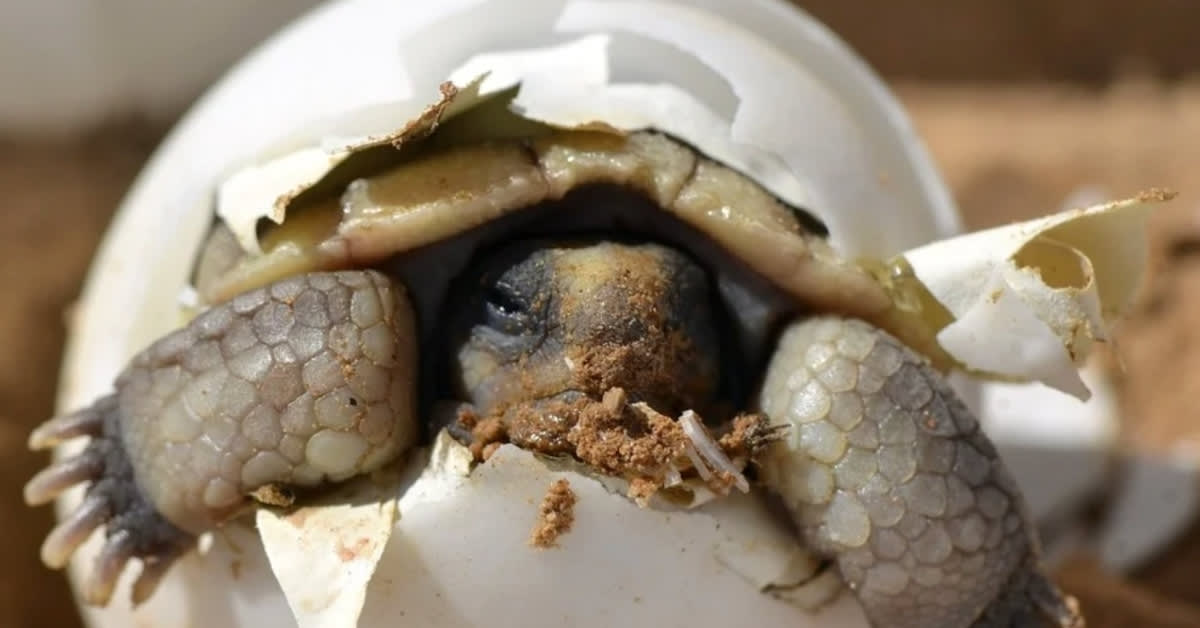
Over the past few weeks, trained teams have carefully relocated 4,100 sea turtle eggs from 45 nests threatened by upcoming beach restoration projects. The eggs belong to leatherback and loggerhead turtles, both endangered species struggling to survive in a world of coastal development and fishing gear entanglements.
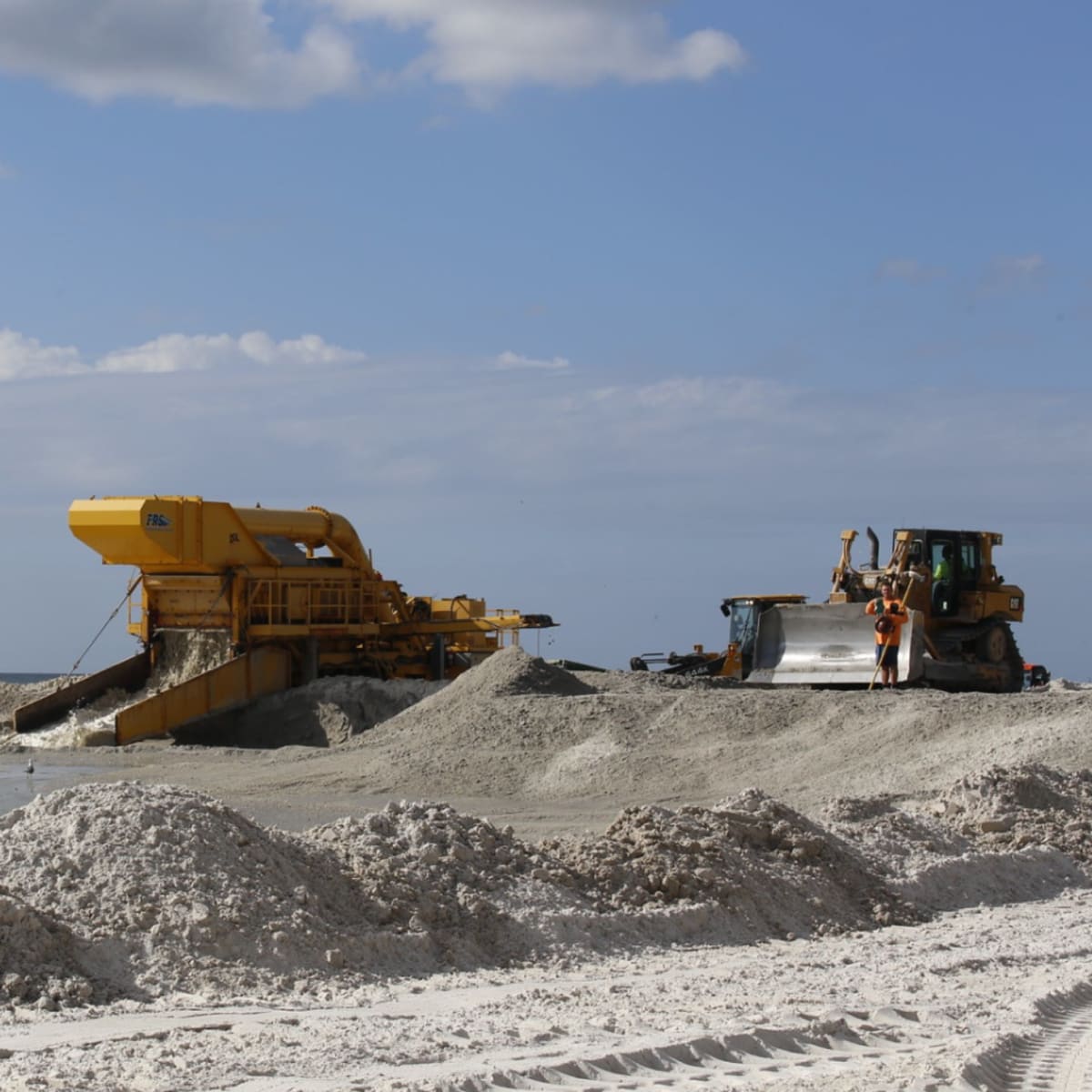
Beach restoration work is desperately needed to fight coastal erosion that threatens both human communities and turtle habitats. But the heavy machinery and imported sand can crush nests or bury eggs too deep for hatchlings to escape.
So every night at 9 p.m., monitoring crews patrol the beaches looking for nesting mothers. When they spot a turtle, relocation teams rush to the exact coordinates with sand-lined containers in hand.
The process requires extreme care. Each egg must be placed by hand without rotating it, which could harm the developing turtle inside. Teams measure every nest dimension to recreate the perfect environment at a secret location kept hidden from poachers.
The work is paying off in ways that go beyond these 4,100 eggs. Despite a brutal 2024 hurricane season that wiped out hundreds of nests, conservation efforts have helped sea turtle populations rebound dramatically. This year marked the highest recorded leatherback nesting season in Florida's history.
Teams aren't just moving eggs. They're also reducing light pollution along the coast, which confuses nesting mothers and can send them back to sea before they finish laying eggs.
The Ripple Effect
The midnight rescues happening on Florida beaches represent something bigger than saving individual nests. Every relocated egg is a vote of confidence in the future, proof that humans can develop coastlines while protecting the creatures that call them home.
The success of 2025's record nesting season shows what's possible when communities choose to do the hard work of coexistence. Beach monitors patrolling in darkness, volunteers carefully counting eggs, scientists tracking every nest location are all threads in a safety net woven by people who refuse to let development mean destruction.
These efforts create a template other coastal communities can follow. As sea levels rise and erosion worsens, more beaches will need restoration work during nesting season. Florida is proving it's possible to protect both shorelines and the ancient mariners that return to them.
The Florida Fish and Wildlife Conservation Commission puts it simply: the fewer obstacles sea turtles face, the better their chances of successful nesting. By clearing those obstacles one egg at a time, volunteers are rewriting the future for these endangered species.
More Images

Based on reporting by Good Good Good
This story was written by BrightWire based on verified news reports.
Spread the positivity!
Share this good news with someone who needs it