Fog Bacteria Clean Air by Eating Formaldehyde Toxins
Scientists discovered that living bacteria inside fog droplets actively break down air pollutants like formaldehyde, transforming our understanding of fog from sterile mist to a helpful ecosystem. These tiny air cleaners grow and multiply while purifying the air we breathe.
The next time you walk through fog, remember this: you're stepping through a living ecosystem of bacteria that's cleaning the air for you.
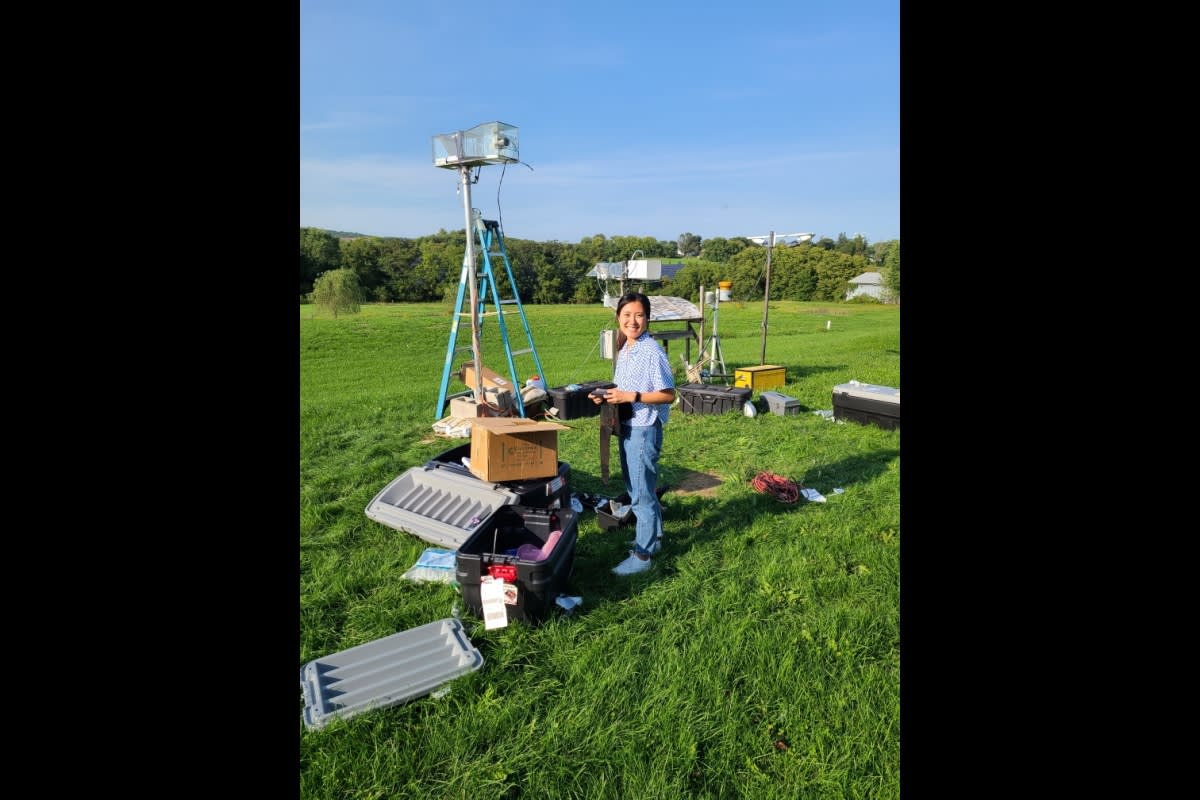
Arizona State University researcher Thi Thuong Thuong Cao made this discovery after years of curiosity about what happens inside those tiny water droplets. She found that bacteria floating in fog aren't just drifting along. They're alive, growing, and eating pollutants.
The study, published this week in mBio, reveals that fog droplets act as temporary water habitats. Each droplet is about a tenth to half the width of a human hair, yet together they contain as many bacteria as ocean water. A thimble of fog holds about 10 million bacteria.
One group stood out: methylobacteria. These helpful microbes feast on formaldehyde, a common air pollutant that contributes to smog and harms human health. The bacteria don't just eat it for food. At high levels, formaldehyde becomes toxic to them too, so they break it down into harmless carbon dioxide.
Cao watched them under a microscope, seeing the bacteria grow bigger and divide. They cleared formaldehyde so quickly that it surprised the research team. It's a win for both the microbes and anyone breathing that air.
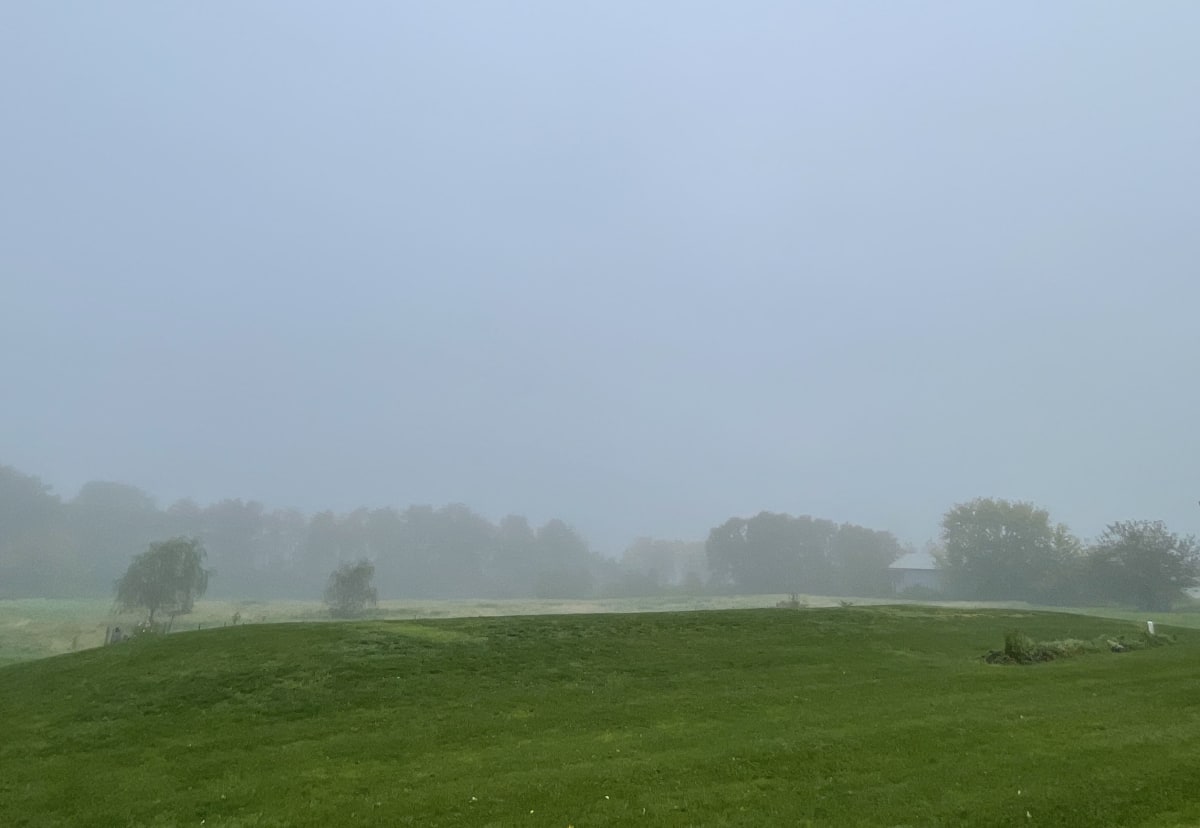
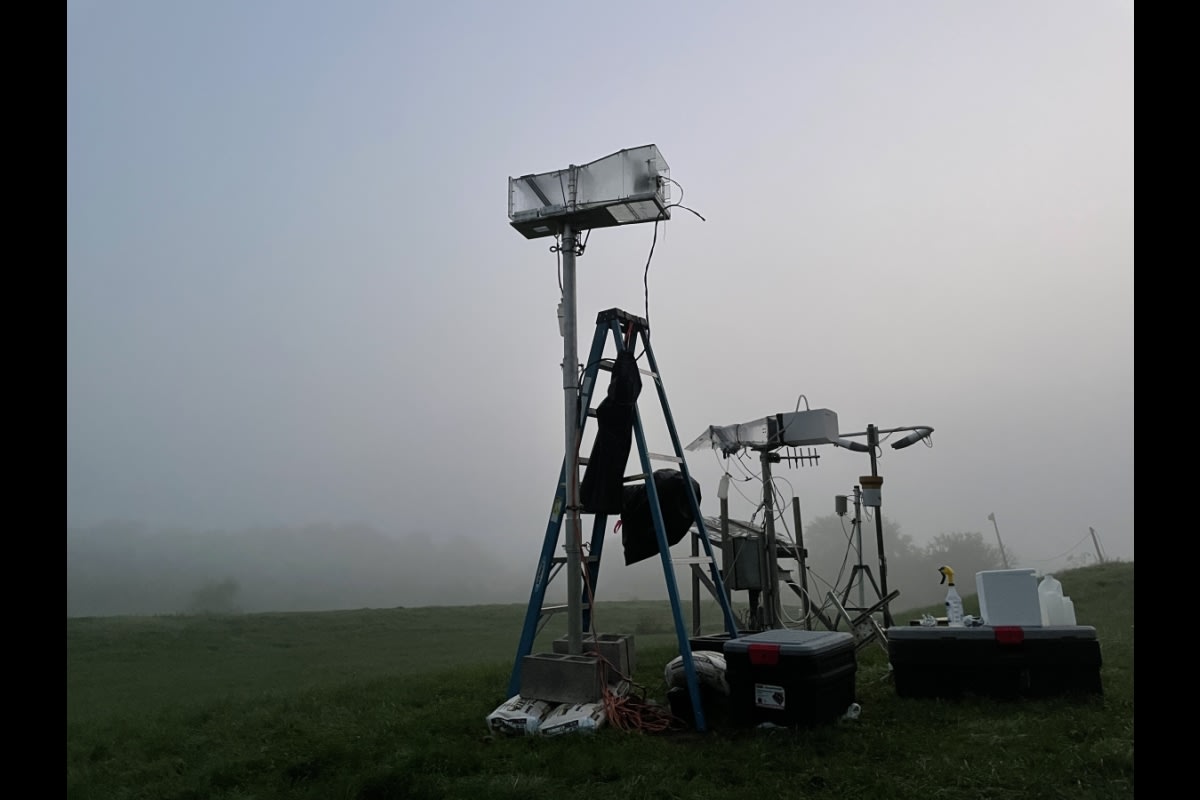
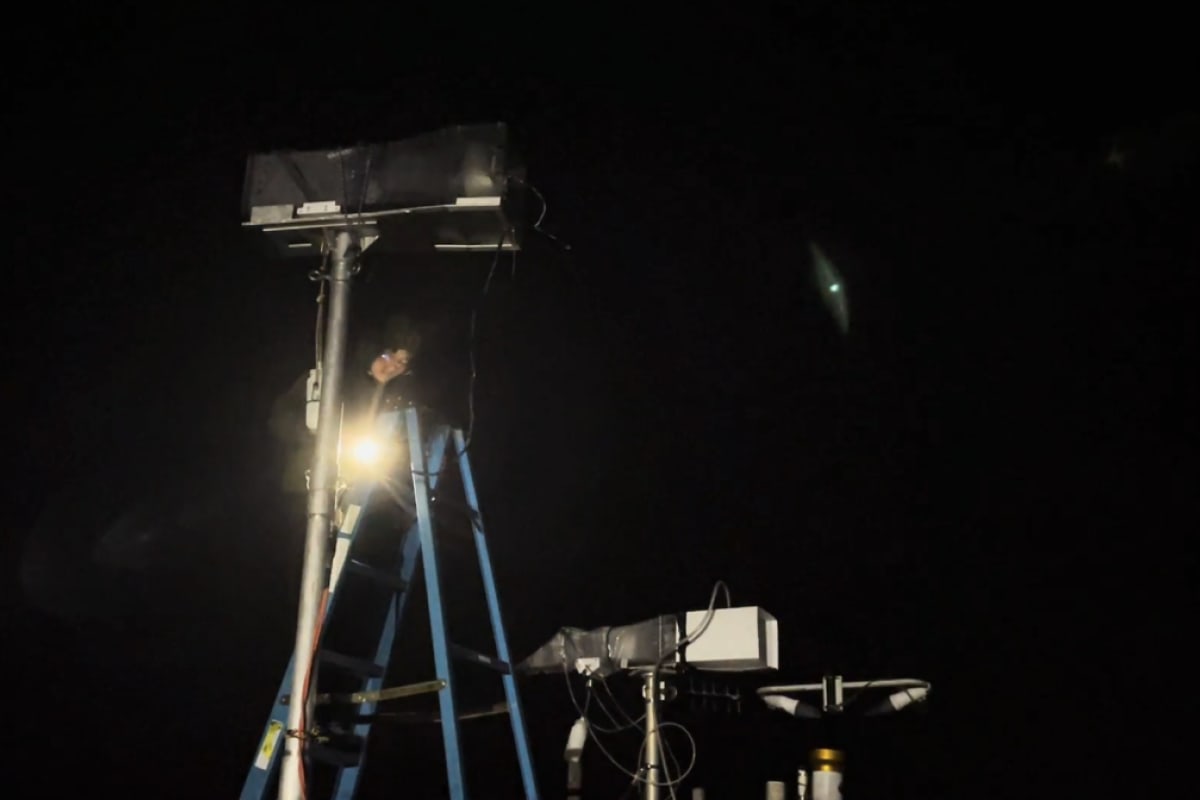
Catching fog to study it wasn't easy. Cao and her team worked in Pennsylvania valleys near the Susquehanna River, arriving hours before dawn to set up equipment. Sometimes the predicted fog never appeared. When it did, they used fans to collect droplets, then waited for the fog to clear so they could sample the same air again. The process took over five hours.
Why This Inspires
This discovery shows nature has hidden helpers working for us in places we never imagined. Every foggy morning, millions of bacteria are quietly cleaning toxins from the air while most of us are still asleep.
The finding could change how we think about fog harvesting for drinking water. Some communities collect fog as a water source, but this research suggests it should be purified like any other water. The team also wonders if harvesting fog might remove these helpful air cleaners.
The bacteria pose no danger to healthy people, though those with very weak immune systems should take normal precautions. For everyone else, that foggy morning jog is perfectly safe.
These tiny organisms remind us that nature's solutions often hide in plain sight, working tirelessly to keep our world a little bit cleaner.
More Images
Based on reporting by Google News - Scientists Discover
This story was written by BrightWire based on verified news reports.
Spread the positivity!
Share this good news with someone who needs it