Fog Bacteria Naturally Clean Air Pollution, Study Finds
Scientists discovered living bacteria inside fog droplets that actively eat formaldehyde and other air pollutants while floating in the atmosphere. Nature might have its own microscopic air purification system working above our heads.
The next time you see morning fog rolling across the landscape, you might be watching millions of tiny pollution fighters at work.
Scientists just discovered that some fog droplets contain living bacteria that actively grow and feed on air pollutants while suspended in the atmosphere. These microscopic organisms are turning harmful chemicals into harmless byproducts, all while drifting through the air we breathe.
The research focused on radiation fog, the type that forms on clear, calm nights when the ground cools rapidly after sunset. As the air near the surface reaches its dew point, billions of tiny water droplets appear and create that dense morning fog so many of us know well.
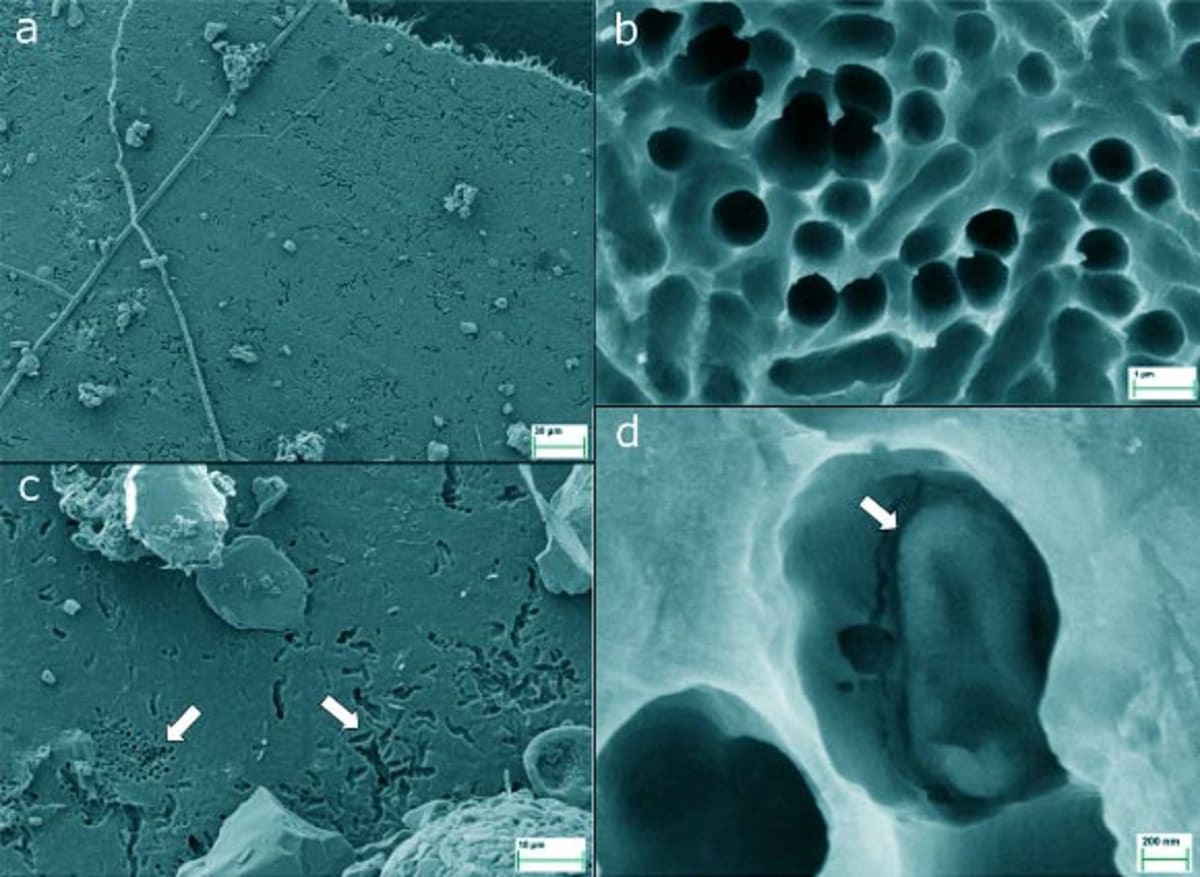
Researchers found that some of those droplets become homes for microscopic bacteria. While only a small percentage of individual droplets contained the organisms, fog consists of billions of droplets, meaning a small sample can contain millions of bacteria.
But here's where it gets exciting. One group of bacteria appeared to do more than simply survive in their airborne homes. The microbes were actively growing and consuming formaldehyde, a common air pollutant that contributes to ozone formation and affects air quality.
The bacteria essentially turn fog into a natural air purification system. As they feed on formaldehyde and similar pollutants, they remove these harmful substances from the atmosphere while reproducing and thriving in their temporary sky homes.
Why This Inspires
This discovery reminds us that nature has been developing solutions to environmental challenges long before humans started looking for them. While we engineer expensive air purification systems, microscopic life forms have been quietly doing similar work in fog droplets for who knows how long.
The research opens doors to understanding how natural processes already help clean our air. Scientists might one day harness these bacteria or similar organisms to enhance pollution reduction in areas that need it most.
For now, it's simply wonderful to know that when we look at fog, we're not just seeing water vapor. We're watching a living, breathing ecosystem that's actively making our air cleaner, one tiny droplet at a time.
More Images

Based on reporting by Google News - Scientists Discover
This story was written by BrightWire based on verified news reports.
Spread the positivity!
Share this good news with someone who needs it