Food Boosts Memory Through Gut-Brain Signal, Study Finds
Scientists discovered that nutritious meals send signals from your gut to your brain that actively help form stronger memories. The breakthrough could lead to new treatments for Alzheimer's disease.
Every time you sit down for a meaningful meal, your gut might be doing something remarkable: helping your brain remember that moment better.
Scientists at the University of Southern California just discovered that food does more than fuel our bodies during important occasions. It actually triggers a direct line of communication from the gut to the brain that strengthens memory formation.
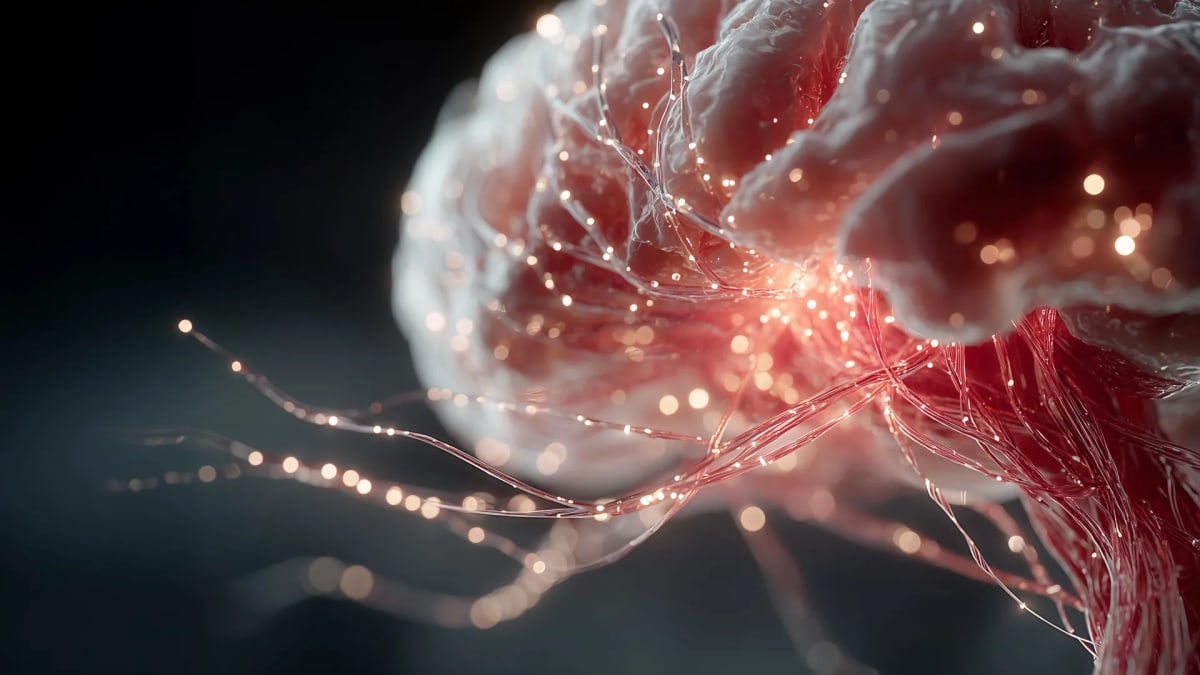
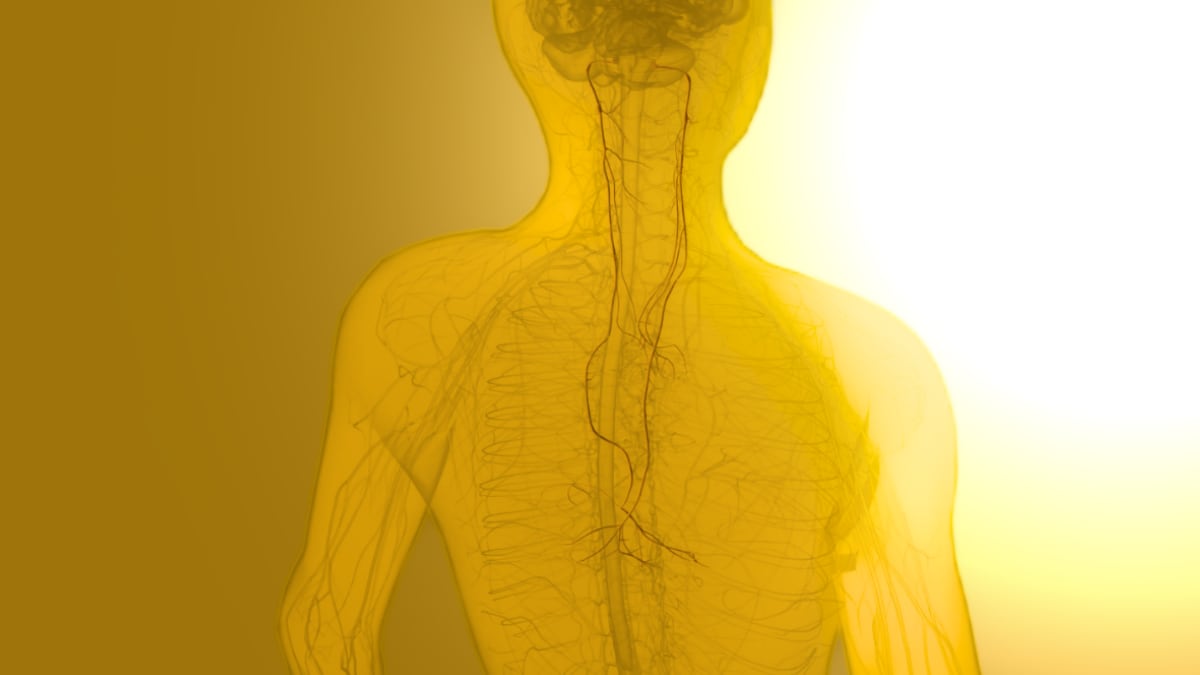
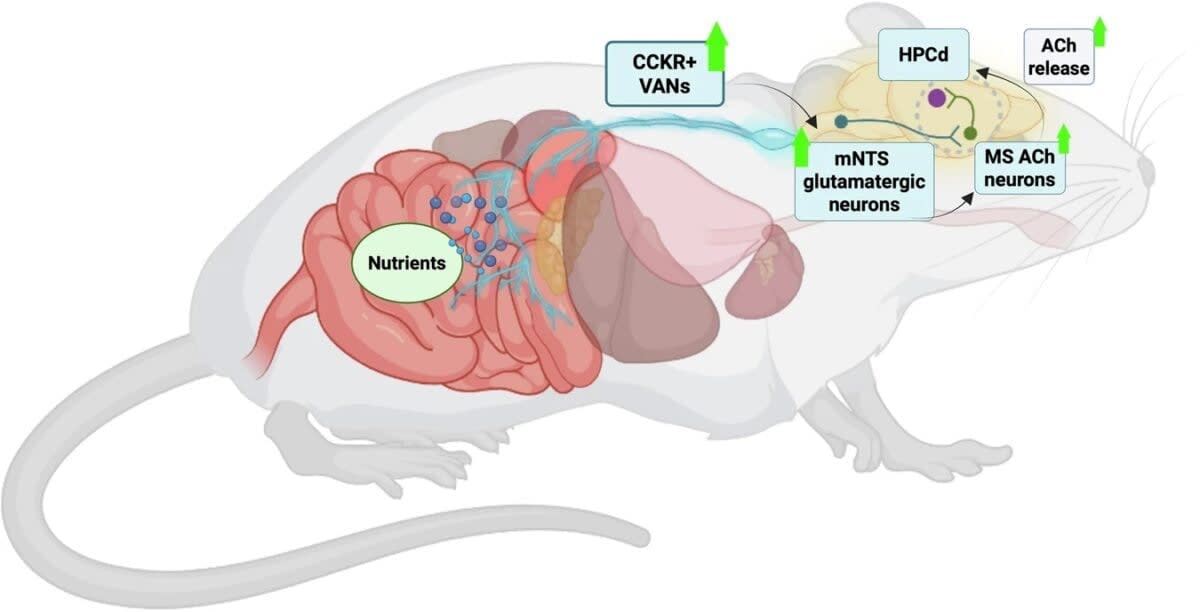
The research team, led by biologist Scott Kanoski, watched what happened in rats' brains after they ate nutritious meals. They found that food sends a signal up the vagus nerve, a major pathway connecting the gut to the brain. That signal reaches a brain region called the medial septum, which then releases acetylcholine, a chemical essential for encoding memories in the hippocampus.
Here's the fascinating part: calories matter more than taste. When rats drank sweet, low-calorie solutions, their brains showed little response. But when they consumed fats and sugars with actual nutritional value, memory-related brain activity surged and stayed elevated long after eating.
"We think the mechanism likely evolved to help animals remember vital information about food sources," says lead author Logan Lauer. In other words, evolution designed our bodies to remember where we found good food.
The discovery isn't without its warnings, though. Rats fed junk food early in life showed weakened memory signaling, even after switching to healthier diets later. This suggests that what we eat during development might have lasting effects on how well our brains form memories.
Why This Inspires
This research opens exciting doors for treating memory loss. Acetylcholine signaling in the hippocampus is one of the first things to go wrong in Alzheimer's disease. Now that scientists know the vagus nerve plays a key role, they can explore vagus nerve stimulation as a treatment option.
The approach is already showing promise. Vagus nerve stimulation, sometimes called a "pacemaker for the brain," currently helps people with depression and epilepsy. Early trials suggest it might prevent memory decline in Alzheimer's patients or even improve their recall.
While this study focused on male rats, the findings point toward a future where understanding our gut-brain connection could help protect our most precious memories.
The next time you share a meal with someone special, remember: your body isn't just nourishing itself, it's helping you hold onto that moment.
More Images

Based on reporting by Google News - Scientists Discover
This story was written by BrightWire based on verified news reports.
Spread the positivity!
Share this good news with someone who needs it