Football-Sized Fossil Rewrites Plant-Eating History
A newly discovered creature from Cape Breton Island may be the earliest four-legged plant-eater ever found, pushing back our understanding of herbivore evolution by millions of years. The football-sized animal had specialized teeth for grinding plants 315 million years ago, when most animals only ate meat.
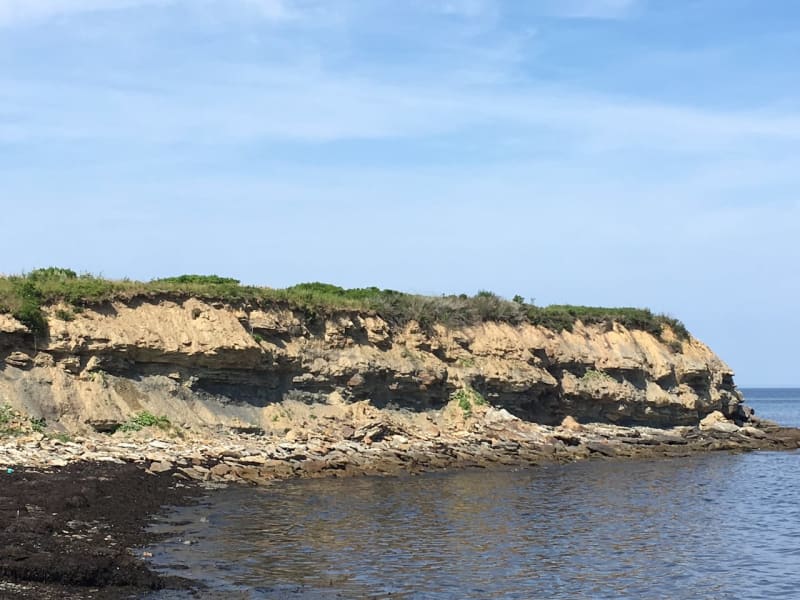
Scientists just uncovered a tiny trailblazer that changed life on Earth forever, and it all started with a fossil sticking out of a Nova Scotia cliff.
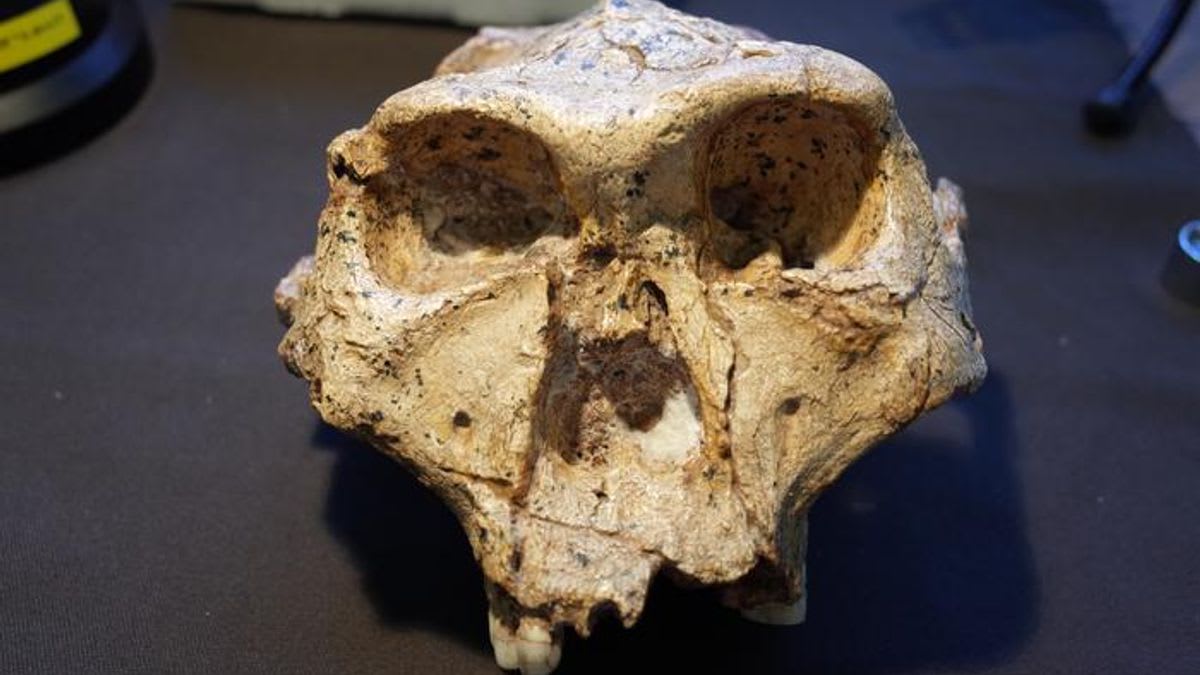
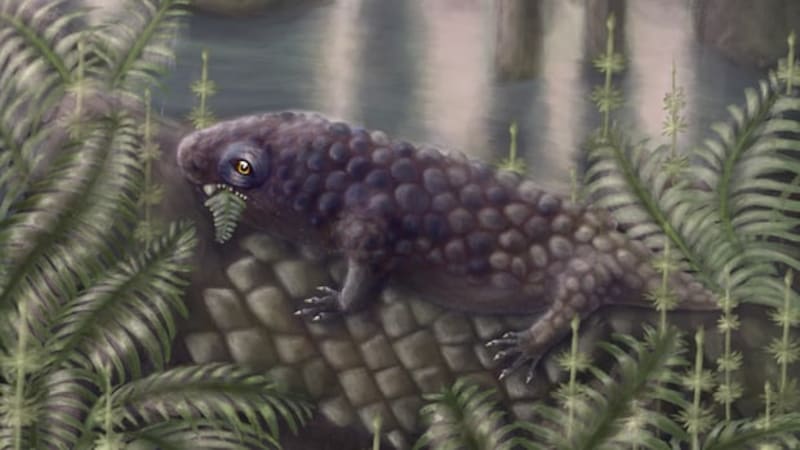
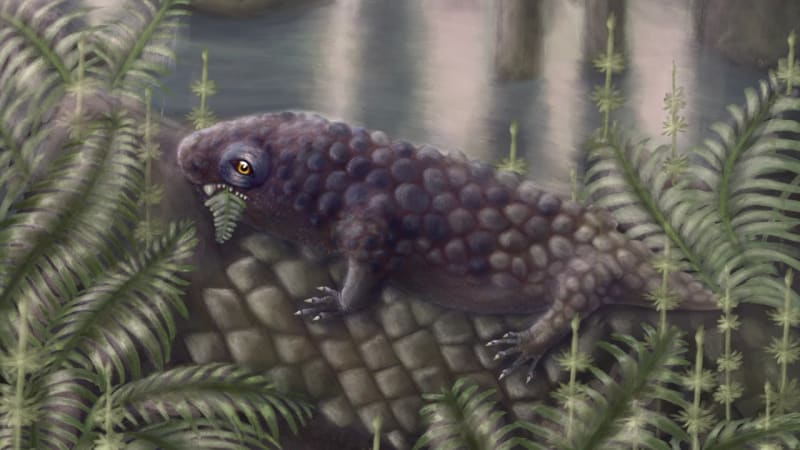
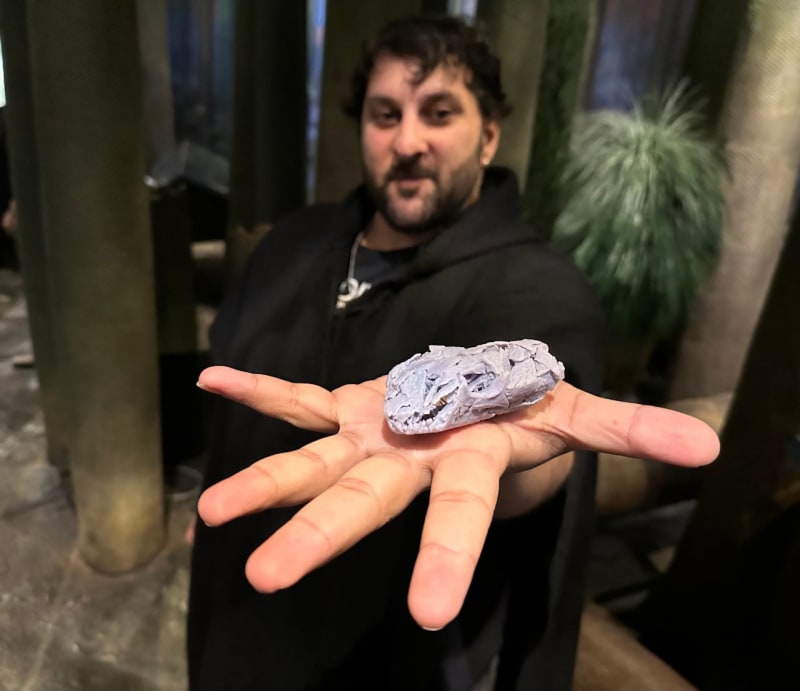
Meet Tyrannoroter heberti, a football-sized creature that lived 315 million years ago in the swampy forests of what's now Cape Breton Island. This little pioneer may be the earliest four-legged animal ever discovered with teeth adapted for eating plants.
The discovery reshapes our understanding of how animals transitioned from pure carnivores to plant-eaters. "This kind of reshapes our understanding of how fast this transition happened," said Arjan Mann, lead author of the study published in Nature Ecology and Evolution.
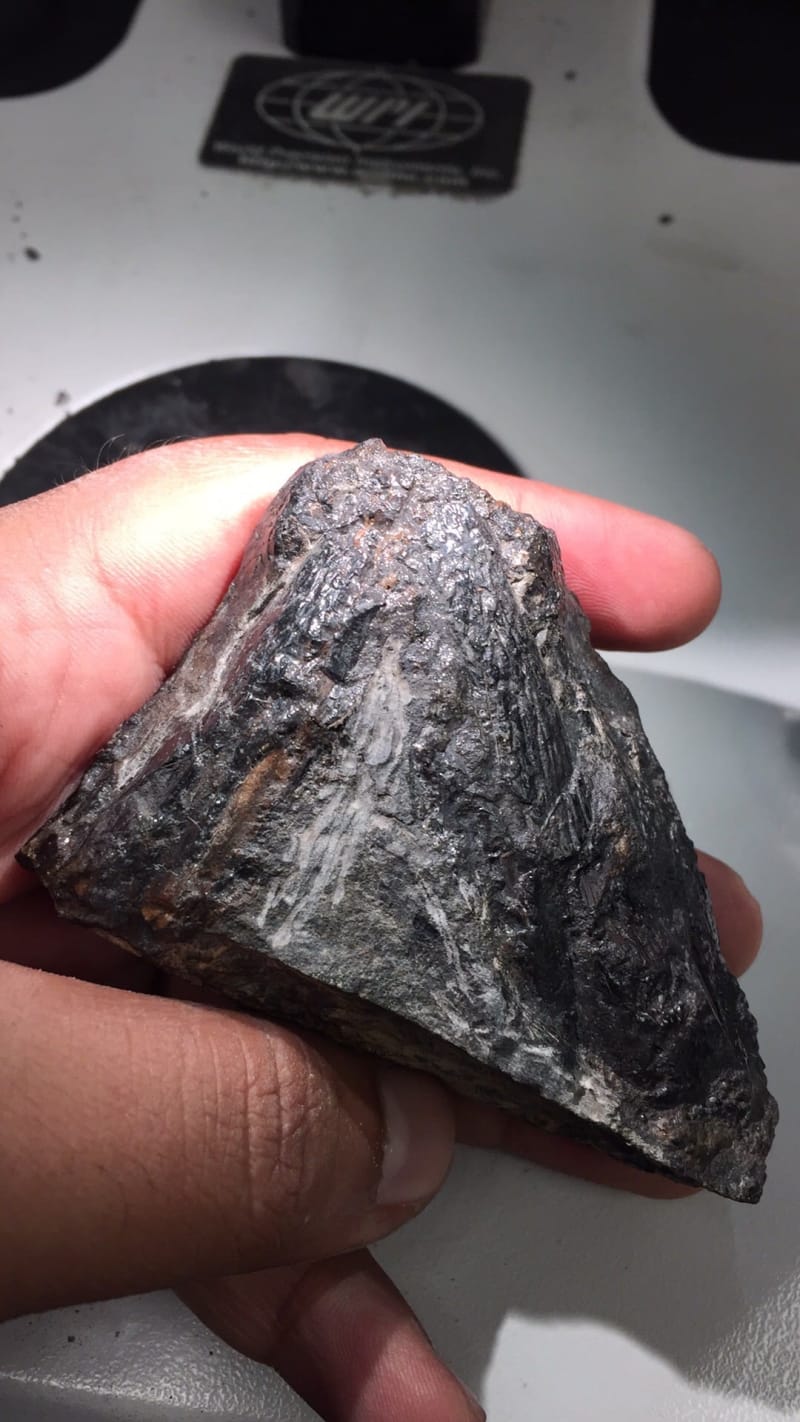
Amateur paleontologist Brian Hebert found the creature's skull tangled in the roots of a massive petrified tree stump jutting from seaside cliffs about nine years ago. The new species even bears his name as a tribute to his sharp eye and dedication.
Tyrannoroter belonged to a group called microsaurs, lizard-like creatures that were early cousins of both reptiles and mammals. Most of its relatives were tiny, just two to four inches long, but this one earned the name "tyrant digger" for its impressive size.
The real game-changer? Those teeth. Tyrannoroter had multiple rows of "Hershey-kiss" shaped teeth perfectly designed for grinding tough plant fibers. Mann, now curator at Chicago's Field Museum of Natural History, explained that these specialized dental batteries gave the animal enough surface area to process leaves and shoots.
At the time Tyrannoroter lived, most four-legged animals ate insects and other creatures. Plants had been thriving on land for 100 million years, but animals lacked both the teeth to chew them and the gut bacteria needed to digest tough cellulose.
The researchers believe Tyrannoroter's ancestors may have gained this superpower by eating insects that fed on plants, gradually picking up the helpful microbes. The animal's wide, squat body likely housed a larger gut cavity for those cellulose-digesting bacteria, similar to modern cows and hippos.
Why This Inspires
This discovery reminds us that every major transition in life started somewhere small. A football-sized creature with unusual teeth experimented with a completely new way of living, opening a path that would eventually lead to countless herbivores, from gentle giants like elephants to the dinosaurs that would dominate Earth millions of years later.
Mann, who has many vegetarians and vegans in his family, finds personal joy in the discovery. Understanding when herbivores first arose helps scientists trace how plant-eaters shaped entire ecosystems and drove evolutionary change across the planet.
The find also celebrates Canadian paleontology and shows how amateur enthusiasts like Hebert contribute vital pieces to our understanding of life's incredible journey. One fossil in a cliff face became a window into a revolutionary moment 315 million years in the making.
More Images
Based on reporting by Google: fossil discovery
This story was written by BrightWire based on verified news reports.
Spread the positivity!
Share this good news with someone who needs it