Ford Rehires 350 Veteran Engineers After AI Falls Short
Ford brought back 350 experienced engineers after automated quality systems couldn't match human expertise. The move is saving the company hundreds of millions in warranty costs and just helped Ford earn the top quality ranking among mainstream car brands.
Sometimes the best way forward means bringing back what worked before.
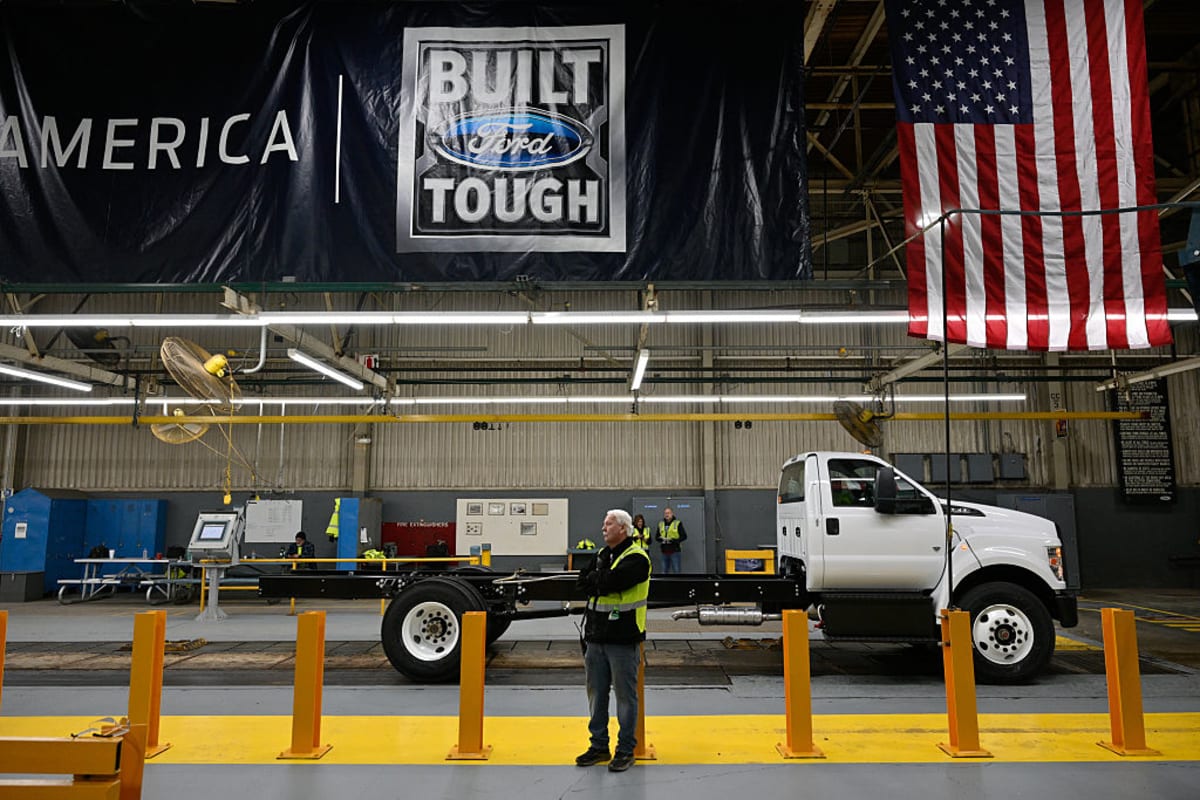
Ford just rehired 350 veteran engineers, including former employees and supplier experts, after discovering that artificial intelligence couldn't replace decades of hands-on experience. The automotive giant had been leaning heavily on automated quality systems, but the results fell short of expectations.
Kumar Galhotra, Ford's chief operating officer, told journalists the company had been "relying more and more on automated quality systems" with disappointing outcomes. The solution? Bringing back technical specialists who hunt for failure points before parts ever reach the factory floor.
Charles Poon, Ford's vice president of vehicle hardware engineering, was candid about the misstep. "Mistakenly we thought that by just introducing artificial intelligence and ingesting the design requirements that we had, that that would produce a high-quality product," he said.
But this isn't a story about abandoning innovation. Ford is now using these "gray beard" engineers to mentor younger staff and improve their AI tools, blending experience with technology.
The Bright Side
The results speak for themselves. CEO Jim Farley reports the rehiring has contributed to "hundreds and hundreds of millions of dollars" in savings from reduced warranty and recall costs.
The impact goes beyond the balance sheet. This week, Ford claimed the top spot among mainstream brands in the JD Power Initial Quality Survey, a prestigious industry benchmark that measures customer satisfaction with new vehicles.
The veteran engineers aren't just fixing problems. They're passing down invaluable knowledge to the next generation while helping refine the very AI systems that couldn't initially replace them.
This approach shows that cutting-edge technology works best when guided by human wisdom and experience. Ford's younger engineers now benefit from mentorship that no algorithm could provide, while the AI tools become more effective with expert input.
The company is proving that progress doesn't always mean choosing between old and new, and sometimes the smartest innovation is knowing when to bring experience back into the room.
More Images


Based on reporting by TechCrunch
This story was written by BrightWire based on verified news reports.
Spread the positivity!
Share this good news with someone who needs it