Students Build Solar Car That Makes More Energy Than It Uses
College students just proved electric cars can generate their own power. Their solar-covered prototype produces enough extra energy to add 30 miles of free driving range every single day.
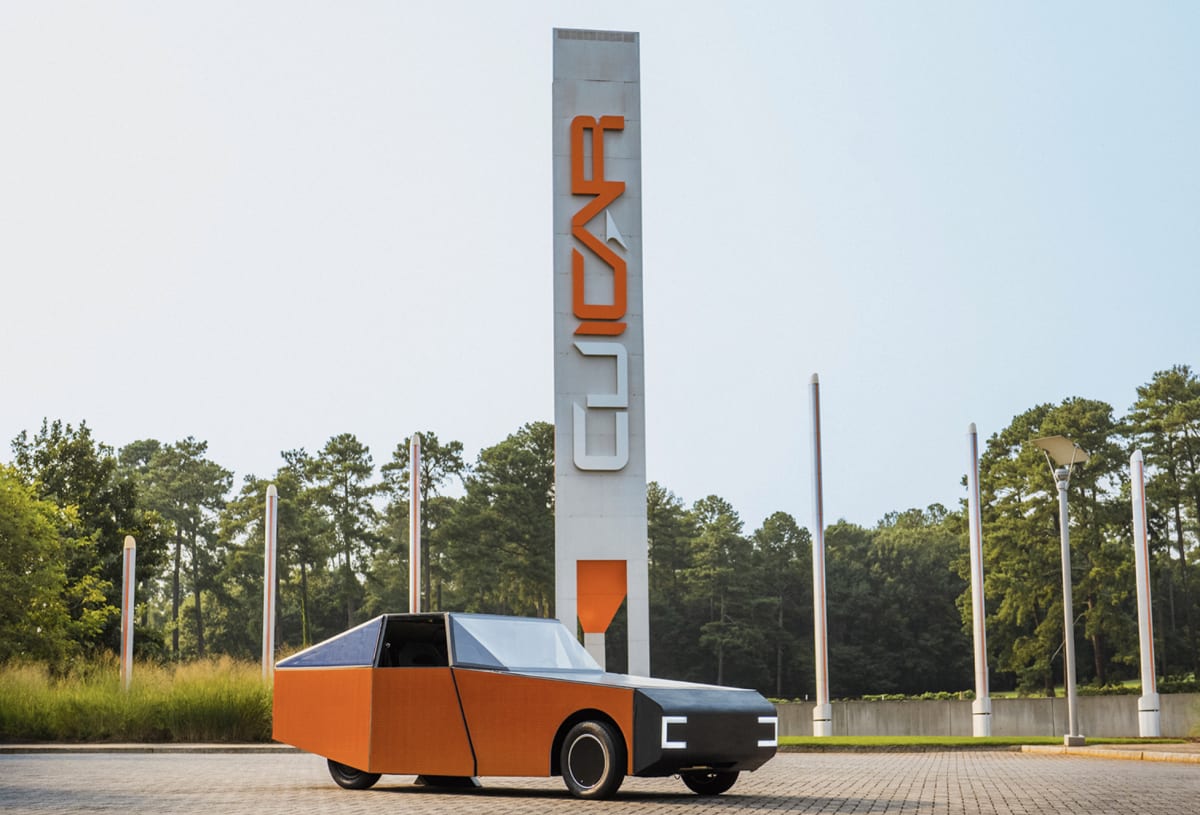
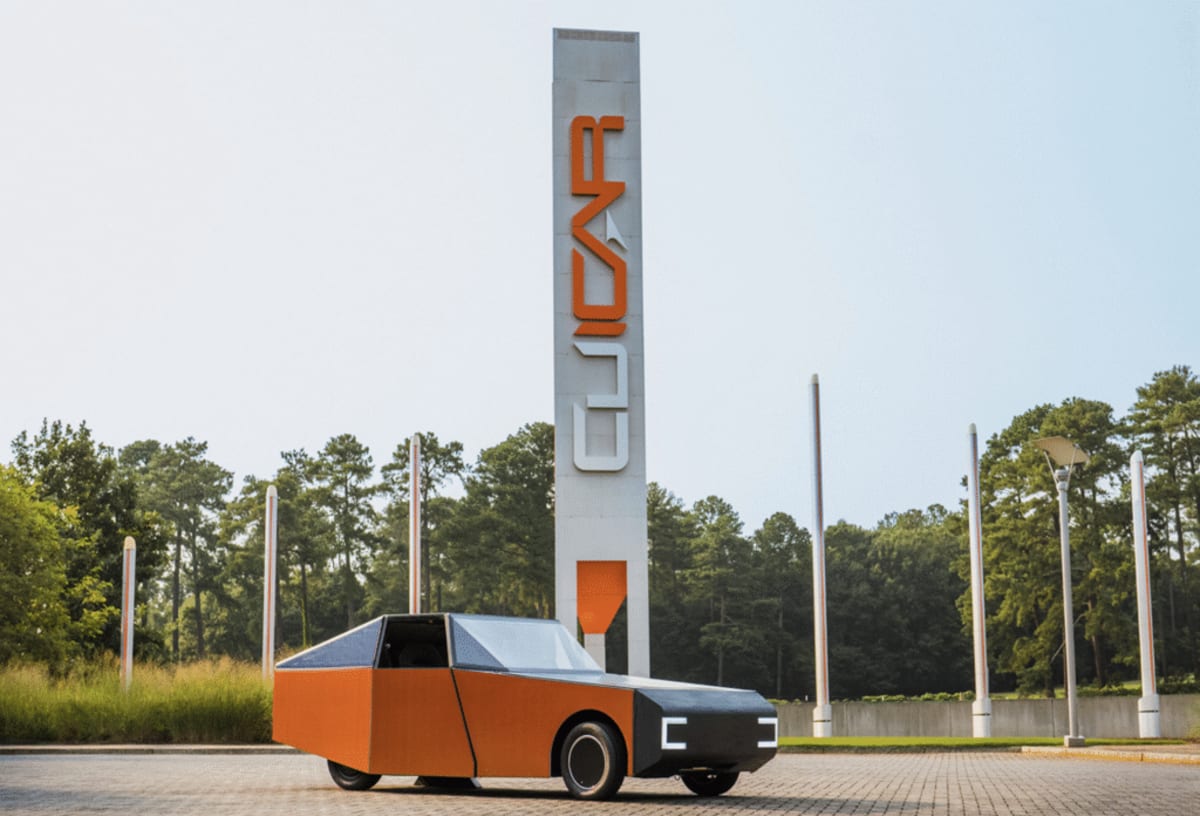
Students at Clemson University have built an electric car that makes more energy than it consumes during typical daily driving.
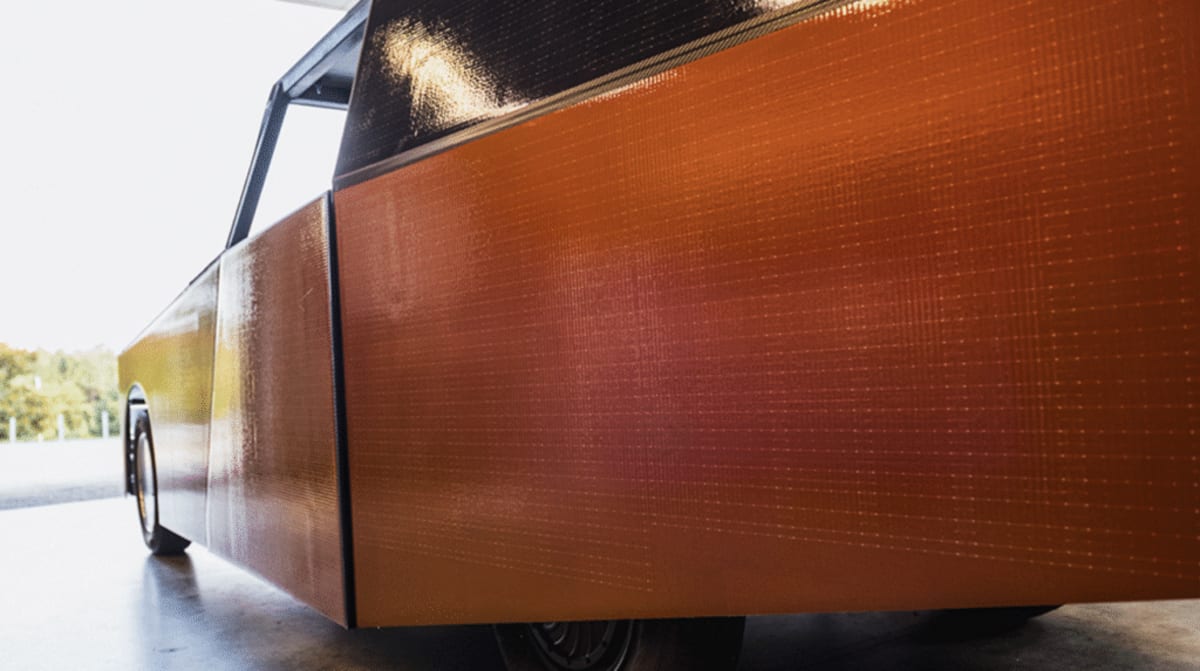
The prototype, called Deep Orange 17, is wrapped in more than 1,700 solar cells that harvest sunlight whether the car is parked or cruising down the road. Unlike other solar experiments where panels are just a bonus feature, this car was designed from the ground up to run primarily on sunshine.
The numbers are impressive. During a typical 12-mile daily commute, the car generates enough excess solar energy to add about 30 miles of driving range. That means drivers could potentially never plug in for their regular errands and short trips.
The team tested their design using weather data from four cities across three continents: Greenville, South Carolina; Frankfurt, Germany; Madrid, Spain; and Mumbai, India. The car produced energy surpluses in every location, proving the concept works across different climates and sun conditions.
Weight played a crucial role in the achievement. The vehicle tips the scales at just 1,200 pounds, roughly one-fourth the weight of similar-sized production cars. The team used carbon fiber, 3D-printed metal joints, and strategic aluminum components to keep it light without sacrificing safety.
Smart technology helps squeeze every electron from the sun and road. Regenerative braking captures energy when slowing down, while intelligent systems distribute power to the wheels in the most efficient way possible. A protective film shields the solar cells from weather and road debris.
Harsh Manghnani, who led the solar integration, called seeing the working prototype "incredibly rewarding" after months of calculations and design work. The project challenged the team not just to build an energy-positive car, but to demonstrate how vehicles can become truly energy independent.
The students collaborated with BMW's research team and solar experts from Germany's Fraunhofer Institute for Solar Energy Systems. That kind of partnership between universities and industry leaders shows how student innovation is being taken seriously by major automakers.
The Ripple Effect
This prototype represents more than just clever engineering. It challenges the biggest objection to electric vehicles: charging anxiety and infrastructure limitations. If cars can harvest meaningful amounts of their own energy from the sun, the entire equation changes for urban commuters who drive short distances daily.
Research will continue at Clemson's International Center for Automotive Research, where teams can refine the technology and test new applications. The car is scheduled to appear at the 2027 Consumer Electronics Show in Las Vegas, where it will share the stage with the tech industry's boldest visions for the future.
The road from prototype to production is long, but this student team just proved the destination is possible.
More Images


Based on reporting by PV Magazine
This story was written by BrightWire based on verified news reports.
Spread the positivity!
Share this good news with someone who needs it