Sodium-Ion Batteries Hit 200 Wh/kg in New Prototypes
Scientists report major advances in sodium-ion batteries that could make energy storage cheaper and more accessible worldwide. The technology uses abundant sodium instead of scarce lithium, opening doors to affordable renewable energy and electric vehicles.
Imagine powering your electric car with batteries made from one of Earth's most common elements instead of rare, expensive lithium.
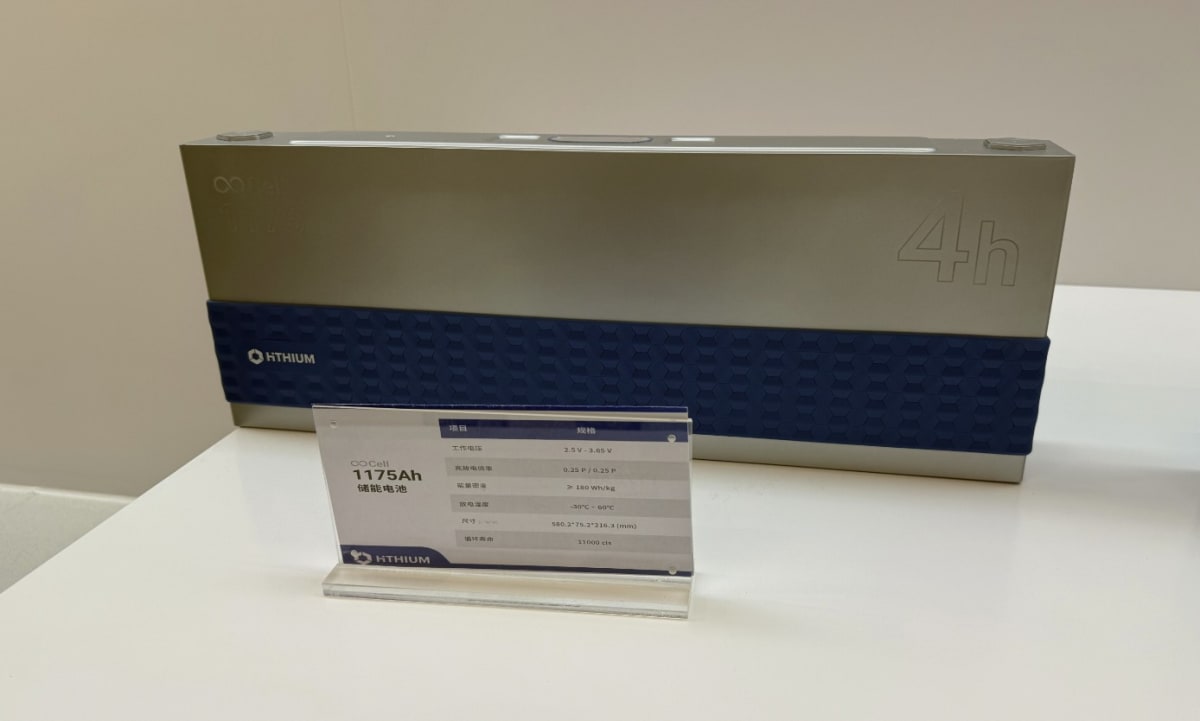
An international team of scientists just published a comprehensive review showing that sodium-ion batteries are getting dramatically better. Advanced prototypes now reach energy densities approaching 200 Wh/kg, up from the typical range of 100 to 160 Wh/kg. That's a massive leap forward for a technology still in its early commercial stages.
These batteries work by shuttling sodium ions between electrodes, just like their lithium cousins. But sodium offers something lithium can't: it's everywhere. The element is abundant and evenly distributed around the globe, which could democratize clean energy access for countries without lithium reserves.
"The growing need for affordable and sustainable energy storage solutions is contributing to the robust expansion of the global sodium-ion battery market," said lead researcher Ababay Ketema Worku from the University of South Africa. Companies like Contemporary Amperex Technology and Faradion have already started selling first-generation devices for light mobility and stationary storage.
The breakthrough comes from better electrolyte formulations that boost ionic conductivity and stability, combined with improved electrode materials. Scientists examined five major types of battery components and found that carbon-based, alloy, and organic materials offer particularly strong cycling stability and storage capacity.
The Ripple Effect
These advances couldn't come at a better time. Grid operators need affordable batteries to balance renewable energy from solar and wind farms. Sodium-ion batteries fit that role perfectly because they cost less and use readily available raw materials.
Electric two and three-wheelers are already adopting the technology as a cost-effective alternative to lithium batteries. Pilot projects have demonstrated real promise for grid stability, helping smooth out the ups and downs of renewable energy production.
The automotive industry is watching closely too. While sodium-ion batteries still lag behind lithium in energy density and cycle life, they excel in thermal stability and work with existing battery manufacturing infrastructure. That compatibility means factories can switch production without massive retooling costs.
Worku and his international team, working across institutions in South Africa, Ethiopia, and China, emphasized that continued progress depends on developing more stable materials across all battery components. Researchers are tackling challenges like volume changes during charging cycles and structural degradation through advanced material designs and nanostructuring.
The market is expected to grow significantly over the next decade as these technical hurdles get solved. Every improvement brings us closer to a future where clean energy storage doesn't depend on scarce resources controlled by a handful of countries.
More Images


Based on reporting by PV Magazine
This story was written by BrightWire based on verified news reports.
Spread the positivity!
Share this good news with someone who needs it