Ford's 454,000 Sq Ft Living Roof Saves Energy and Birds
What started as Henry Ford's dream to build a bird sanctuary in 1915 became reality 87 years later when Ford installed the world's largest living roof atop their Michigan factory. The 454,000-square-foot green roof cools the building, stops flooding, and attracts thousands of birds and bees.
In 1915, Henry Ford nearly turned 2,000 acres along Michigan's Rouge River into a bird sanctuary. Instead, he built one of America's largest factories, but his nature-focused vision finally came true in an unexpected way.
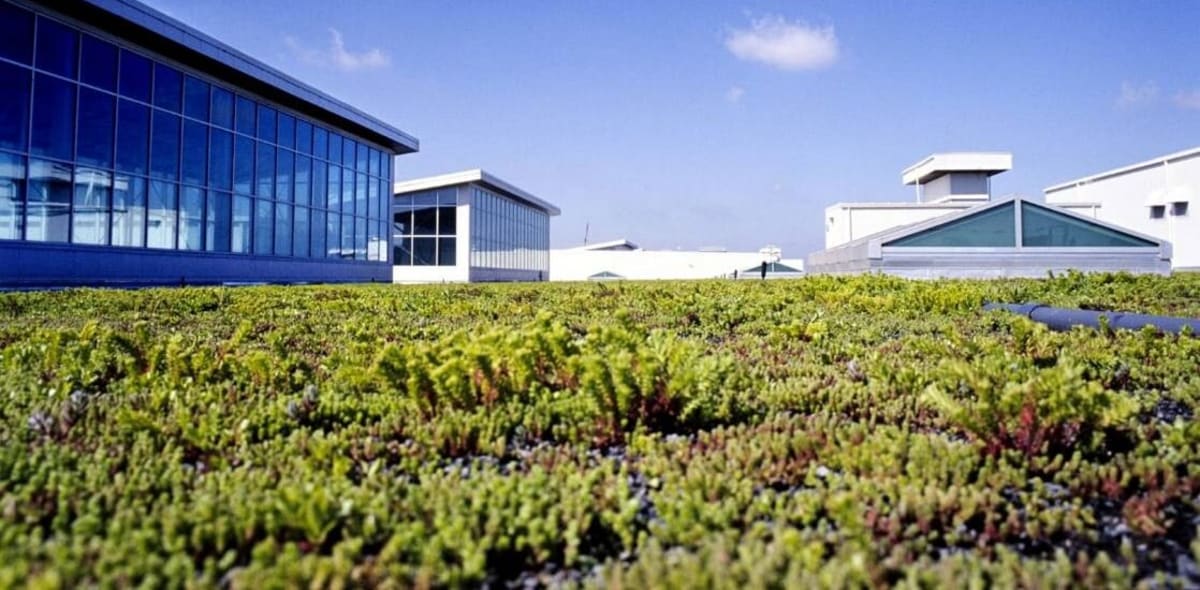
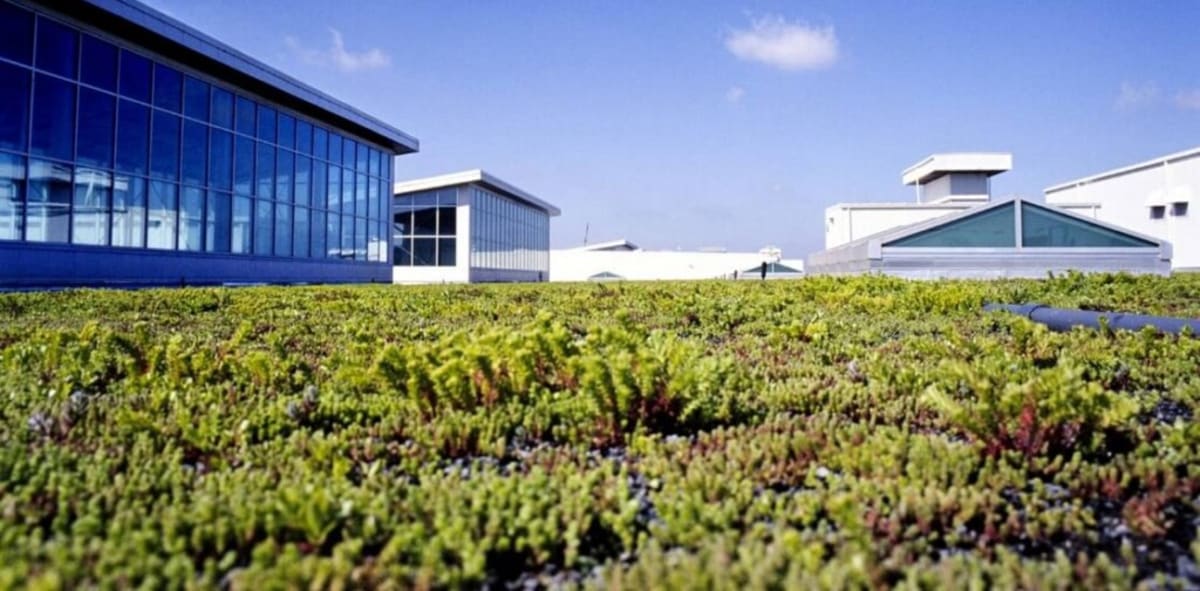
Ford's Rouge Factory in Dearborn, Michigan now boasts a 454,000-square-foot living roof covering its final assembly building. Installed in 2002, this massive green space sits directly above the assembly lines where F-150 trucks roll out daily.
The roof's design is brilliantly simple. A layer of porous concrete, soil, and drought-resistant sedum plants work together like a natural climate control system. The result? The building stays 10 degrees warmer in winter and 10 degrees cooler in summer, slashing energy costs year-round.
But the benefits go far beyond the electric bill. The roof acts as a giant sponge, absorbing rainwater into underground chambers and slowing stormwater runoff. The surrounding area had suffered from regular flooding before the roof installation. The living roof completely solved the problem.
Wildlife wasted no time moving in. Local killdeer birds built nests just five days after installation. Today, around 20,000 honeybees buzz among thousands of flowers, shrubs, and trees planted across the site. Butterflies and other insects have transformed the 600-acre industrial complex into an unexpected biodiversity hotspot.
The transformation didn't stop at the roof. Ford spent $2 billion cleaning up nearly a century of industrial contaminants from the Rouge Center site. The effort removed decades of pollution and created space for nature to return.
The Ripple Effect
At the time of completion, this was the world's largest turf roof. Its success inspired other companies to rethink how industrial spaces could support both production and nature. The Rouge Center has been producing vehicles for over 100 years and remains Ford's largest plant, proving that factories and ecosystems can coexist.
A factory born from a bird sanctuary dream now shelters the very wildlife Henry Ford imagined protecting over a century ago.
More Images


Based on reporting by Good News Network
This story was written by BrightWire based on verified news reports.
Spread the positivity!
Share this good news with someone who needs it