Formula E Reveals 21 Races on Real Tracks for 2026
Electric racing is about to get seriously faster. Formula E just announced its most ambitious season yet, bringing new superpowered race cars to legendary tracks around the world.
Electric racing just leveled up in a big way.
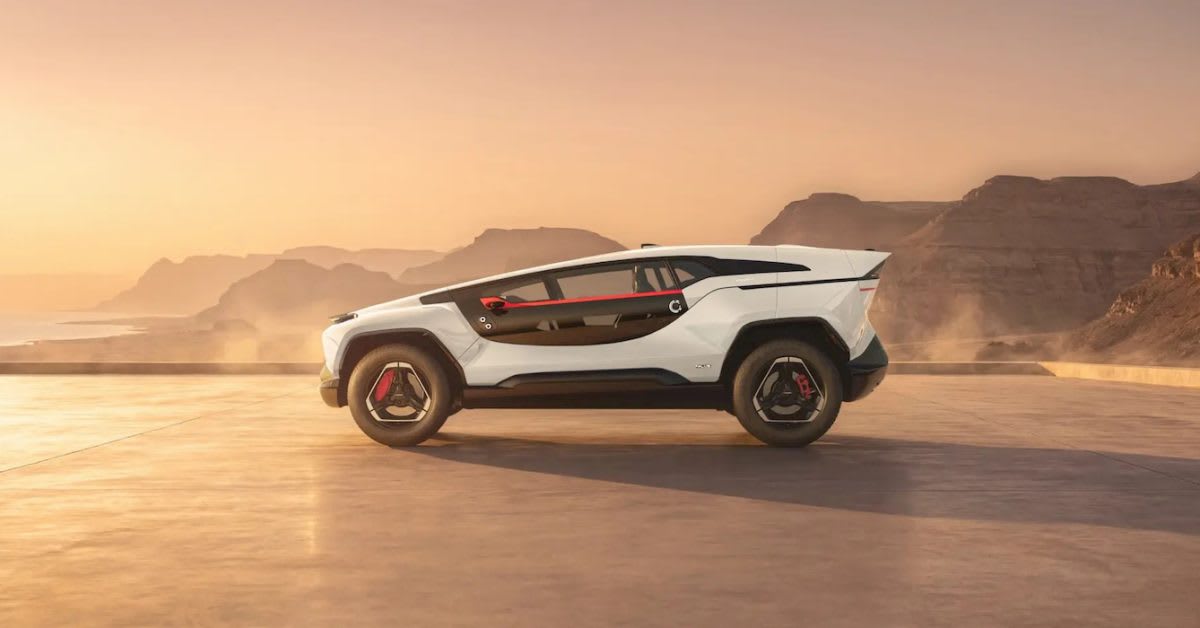
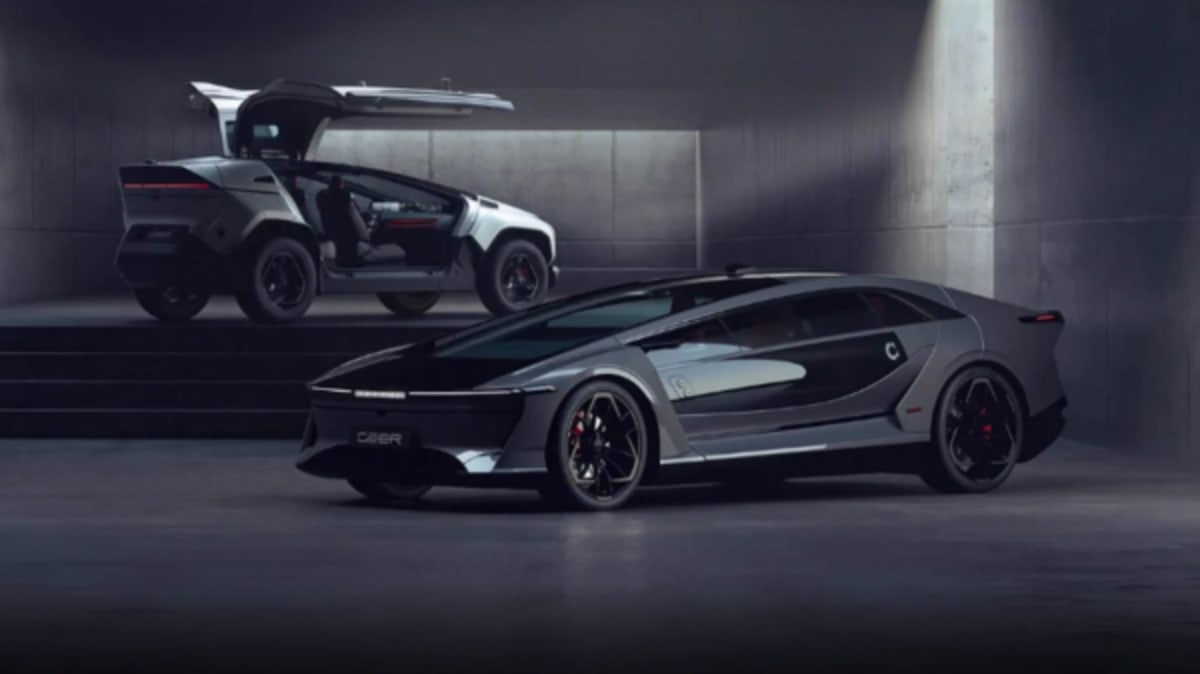
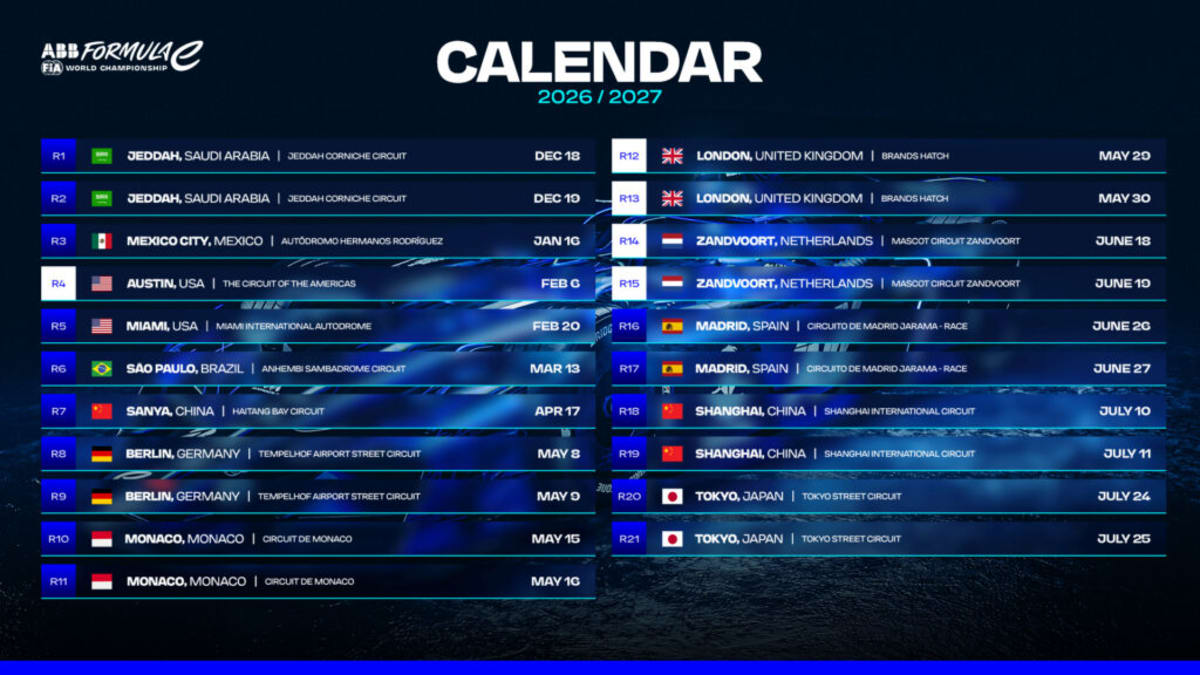
Formula E unveiled its 2026-2027 season calendar featuring 21 races across 13 cities, marking the debut of the GEN4 car. This new electric single-seater will sometimes pack more power than a Formula 1 car, pushing speeds so high that the series had to leave some of its traditional street circuits behind.
The shift represents a major milestone for electric motorsport. Since launching in 2015, Formula E built its reputation racing through city centers where traditional racing series couldn't go, proving electric vehicles could thrill crowds in downtown locations from Brooklyn to Berlin.
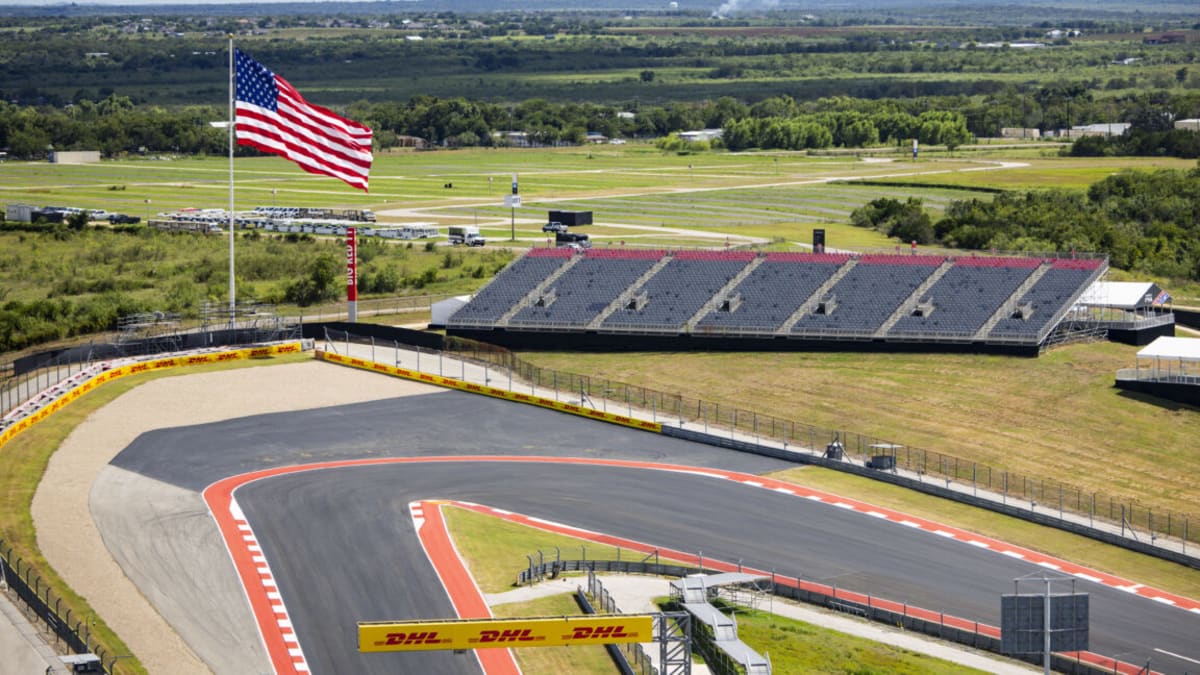
Now the sport is ready for its next chapter. The season kicks off December 18-19 in Saudi Arabia before heading to iconic North American venues like Circuit of the Americas in Austin, the same track that hosts Formula 1.
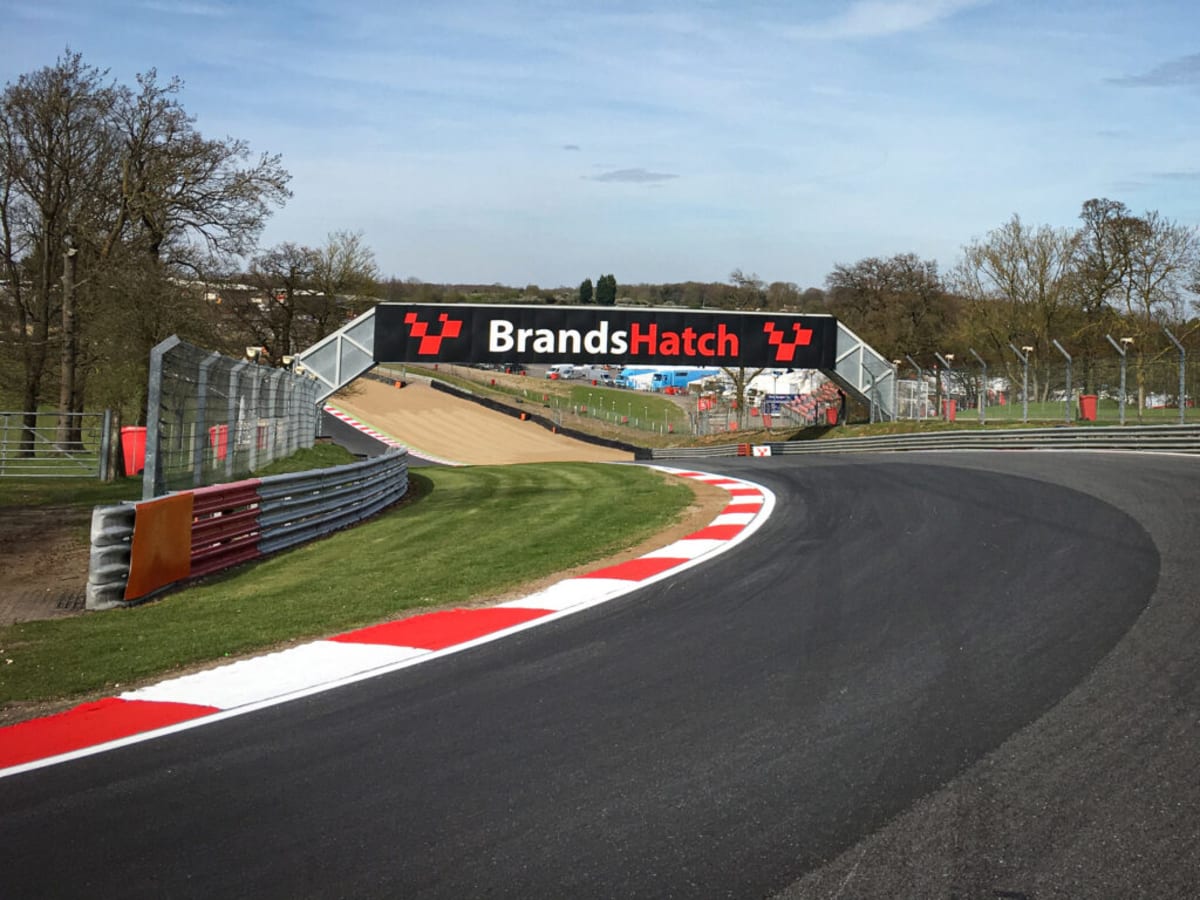
Other legendary racing circuits joining the calendar include Brands Hatch outside London, Zandvoort in the Netherlands, and Shanghai International Circuit. Formula E will use modified layouts at these tracks, creating unique challenges while showcasing what electric racing technology can do.
The series hasn't abandoned city racing entirely. Berlin's historic Templehof Airport and the streets of Monaco remain on the schedule, blending Formula E's urban roots with its high-speed future.
The Ripple Effect
This expansion signals how far electric vehicle technology has advanced in just over a decade. The GEN4 cars represent the cutting edge of EV performance, and putting them on world-famous tracks demonstrates that electric racing can compete at the highest levels of motorsport.
The calendar's organization into continental clusters also shows how major sporting events can reduce their environmental footprint. By grouping races geographically, Formula E cuts down on intercontinental travel while still delivering thrilling competition.
The new weekend format adds another layer of excitement. Day one features 30-minute sprint races with the cars in high-downforce configuration, designed for flat-out speed. Day two brings traditional 45-minute races where drivers must carefully manage energy, showcasing the strategic side of electric racing.
Alberto Longo, Formula E's cofounder, captured the moment perfectly: "The tracks are faster, the competition is fiercer, and we cannot wait to get this historic season underway."
Electric racing is no longer the future—it's arriving at some of the world's most celebrated circuits.
More Images

Based on reporting by Ars Technica
This story was written by BrightWire based on verified news reports.
Spread the positivity!
Share this good news with someone who needs it