Student EV Generates More Energy Than It Uses With Solar Skin
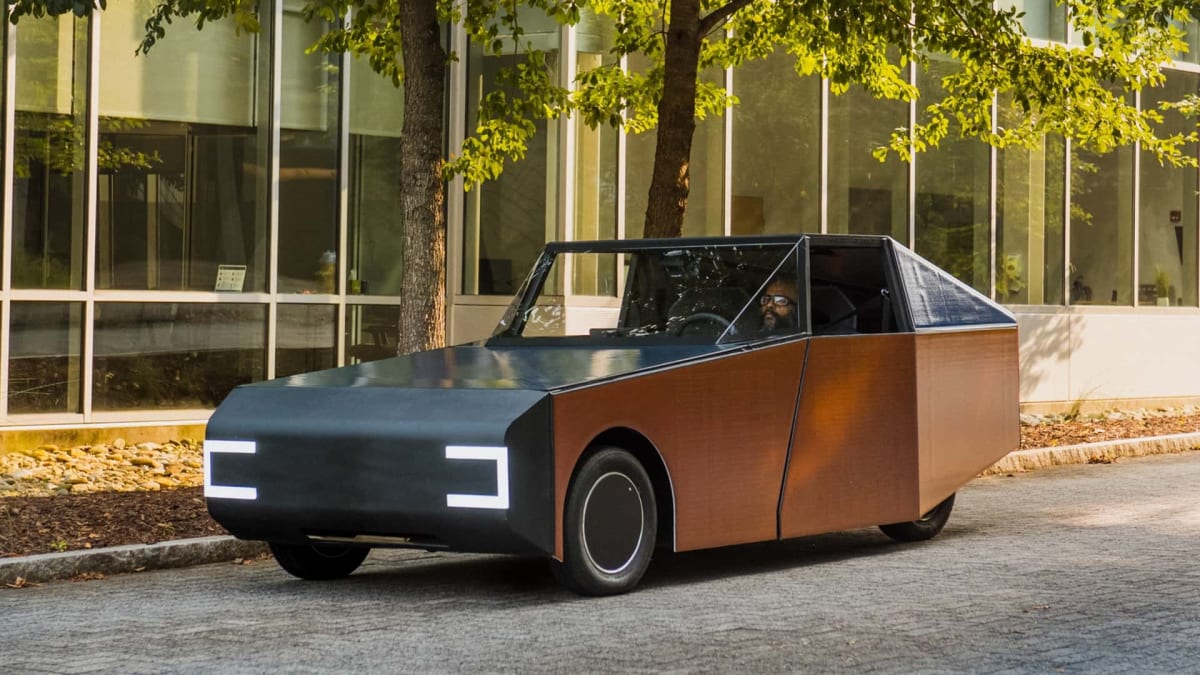
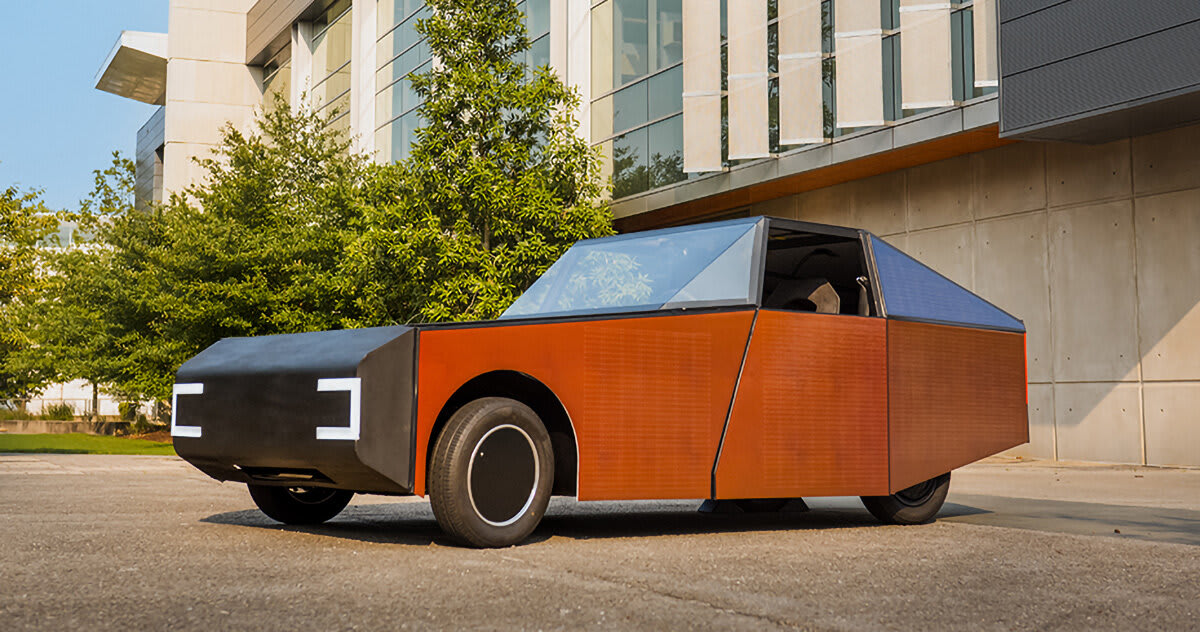
Clemson University students created a fully functional electric car that produces a surplus of energy by covering it with nearly 1,800 solar cells. The lightweight prototype generates enough power while parked to add 31 miles of free range to a typical commute.
Most cars sit idle for 22 hours a day, soaking up sunlight while their owners work, sleep, and live their lives. A team of graduate students at Clemson University just figured out how to turn all those parked hours into free miles.
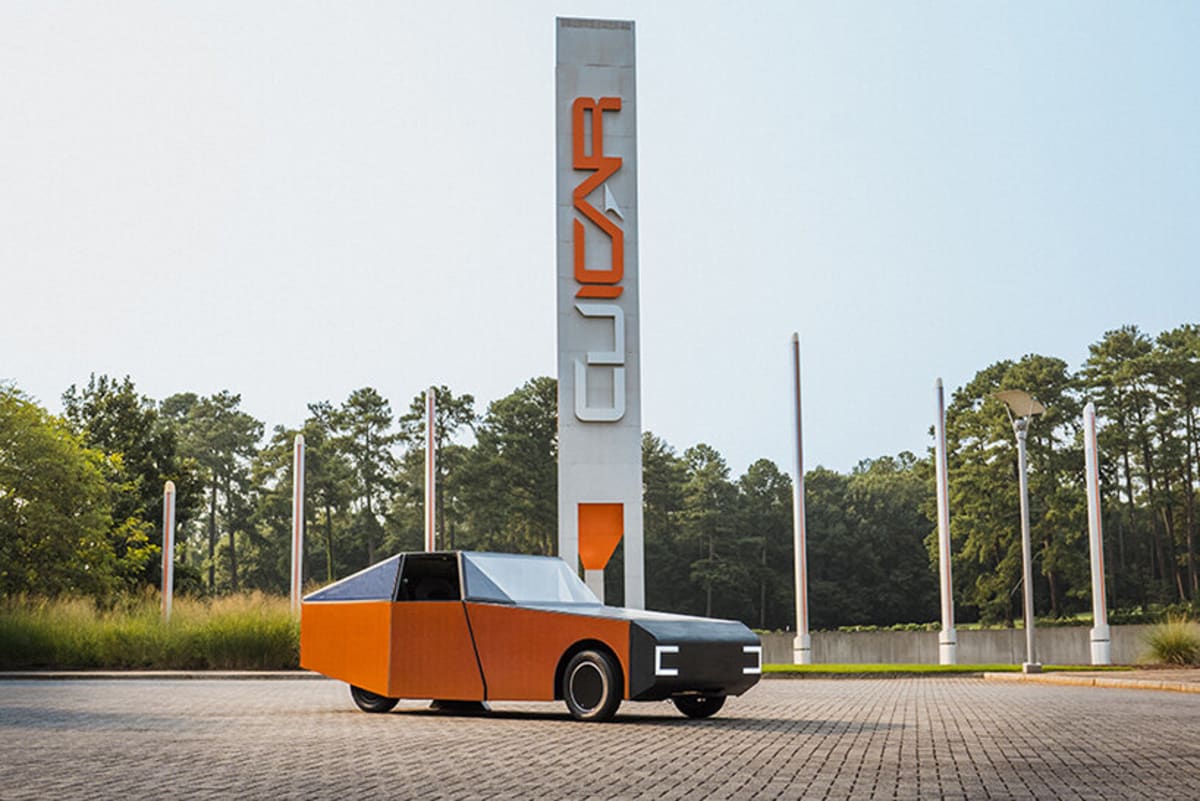
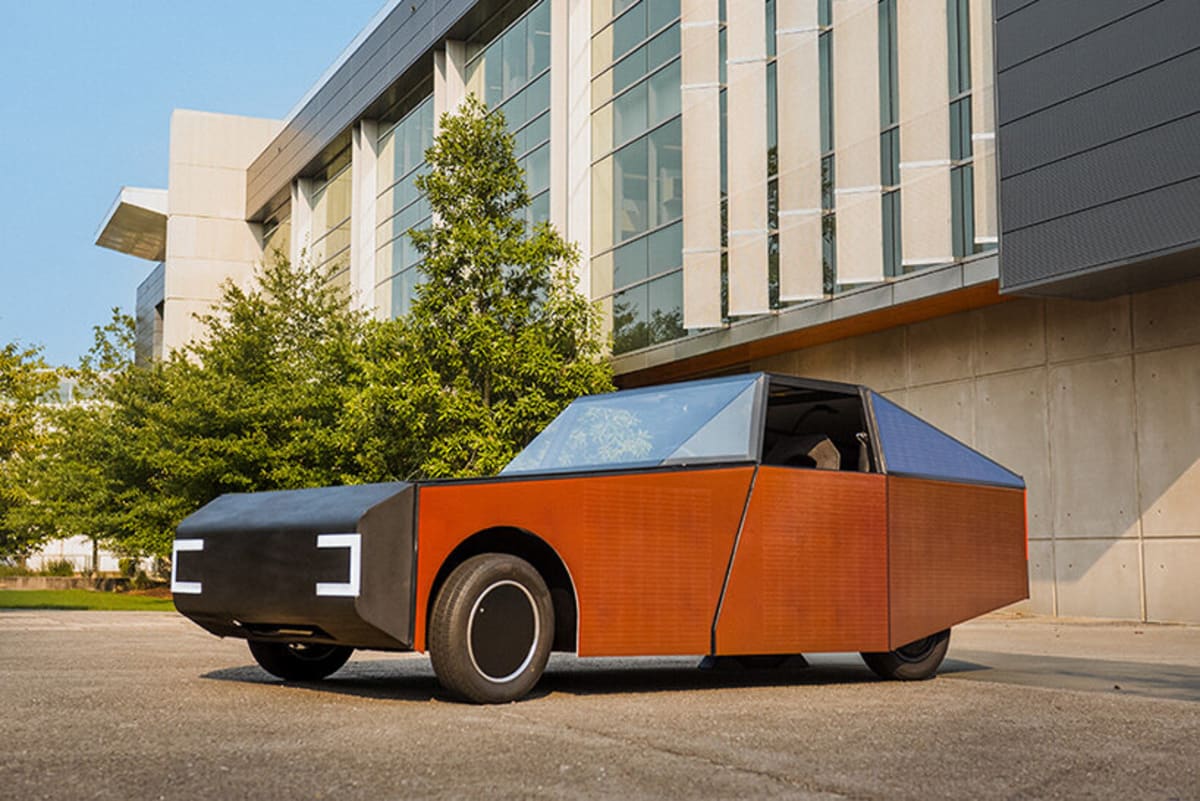
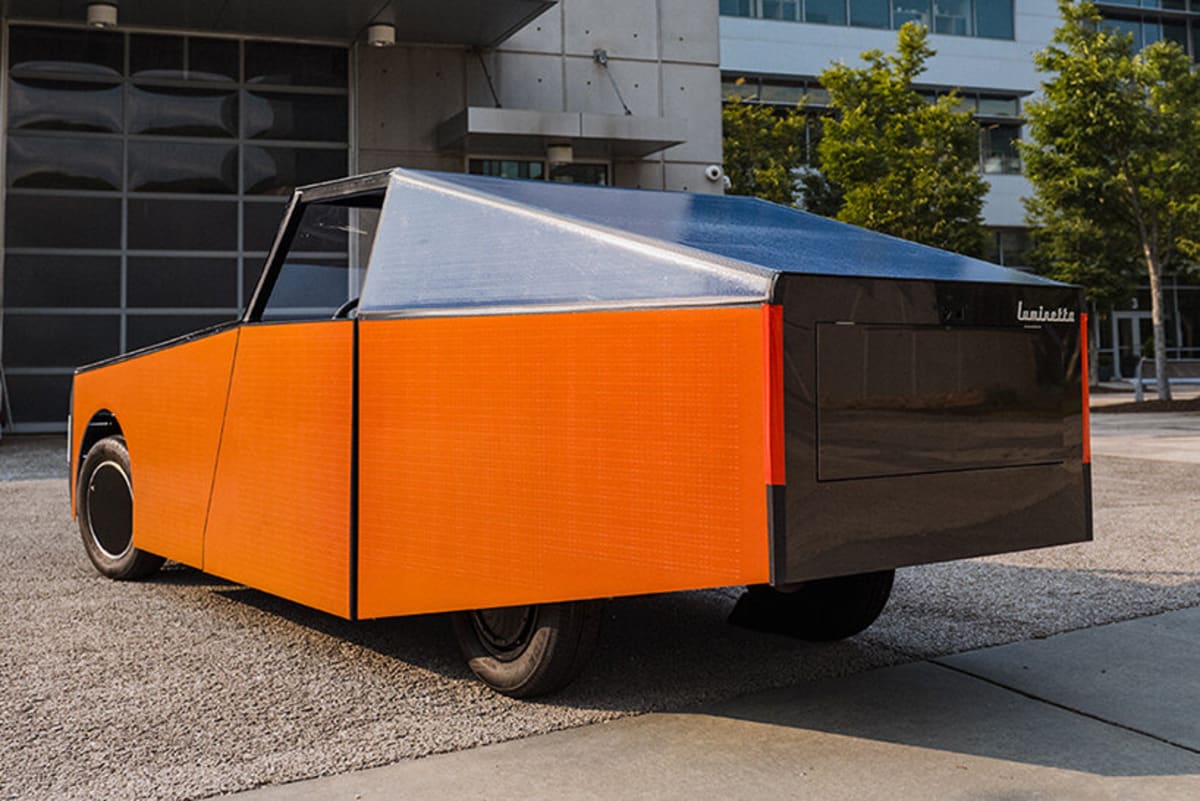
Working with BMW of North America, the students built Luminetta, a two-door electric coupe wrapped in 1,781 photovoltaic cells. The solar skin collects energy while the car drives and keeps working after it parks, turning rooftops and parking lots into charging stations. In a simulation based on a 12-mile urban commute, the system generated enough surplus energy for an extra 31 miles of range over 24 hours.
The project started with a challenge from BMW: create an electric vehicle that generates more energy than it consumes in a typical day. Instead of just making a more efficient car, the Clemson team reimagined what a vehicle does during the hours it's not driving.
The secret isn't just the solar panels. Luminetta weighs only 550 kilograms, roughly a quarter of what similar-sized production cars weigh. That ultralight construction means the car needs far less energy to move in the first place, making the solar power much more effective.
The students used structural steel around passenger areas for safety, then switched to aluminum and carbon fiber everywhere else. They designed 3D-printed metal joints to connect structural members, cutting weight wherever possible. Regenerative braking and intelligent torque distribution squeeze even more efficiency from every mile.
The Ripple Effect
This isn't just about one experimental car. Luminetta changes how we think about vehicle design by making the parking space as important as the road. A car sitting in a sunny parking lot for eight hours becomes a power generator instead of dead weight.
The energy-positive claim comes with important caveats. Weather matters. Parking location matters. A car spending its days in a covered garage won't see the same benefits as one sitting outside an office building. But that's exactly the point. The design acknowledges that where and how we use vehicles shapes what they can do.
The Clemson students partnered with Germany's Fraunhofer Institute for Solar Energy Systems to ensure the panels keep working even when parts fall into shade, a crucial feature for real-world driving through tree-lined streets and urban shadows. The car maintains a recognizable profile instead of looking like a science experiment, drawing aerodynamic inspiration from the boxfish's efficient body shape.
Luminetta will stay at Clemson's CU-ICAR campus in Greenville, South Carolina, serving as a research platform. A public appearance is planned for CES 2027 in Las Vegas. The fully functional prototype proves the concept works in practice, not just on paper.
The breakthrough isn't really about solar technology getting better, though that helps. It's about looking at the problem differently and realizing the solution has been sitting in parking lots all along.
More Images
Based on reporting by Google News - Electric Vehicle
This story was written by BrightWire based on verified news reports.
Spread the positivity!
Share this good news with someone who needs it