French Startups Speed Up Satellite Collision Prevention
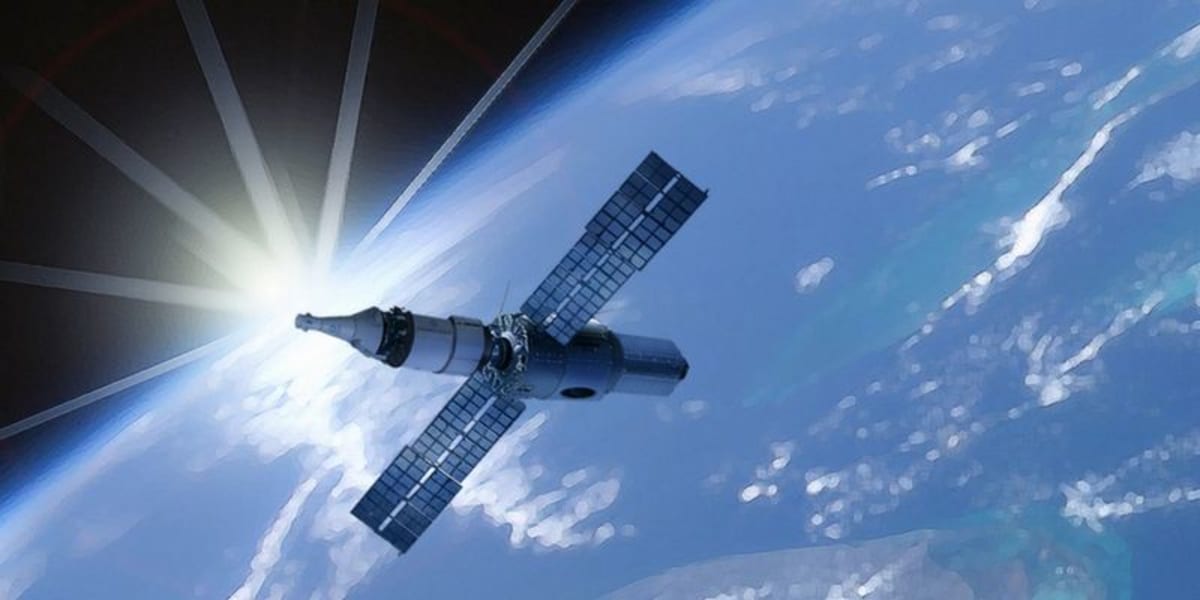
Two French space companies are building a system that could warn satellites about dangerous collisions and help them dodge debris in minutes instead of hours. The breakthrough could make Earth's crowded orbit safer as more than 15,000 satellites circle our planet.
Space is getting crowded, but two French startups just partnered to make satellite safety faster and smarter.
Look Up and Skynopy announced they're working together to automate how satellites avoid collisions in low Earth orbit. The goal is to cut response time from hours to just minutes when debris threatens a satellite.
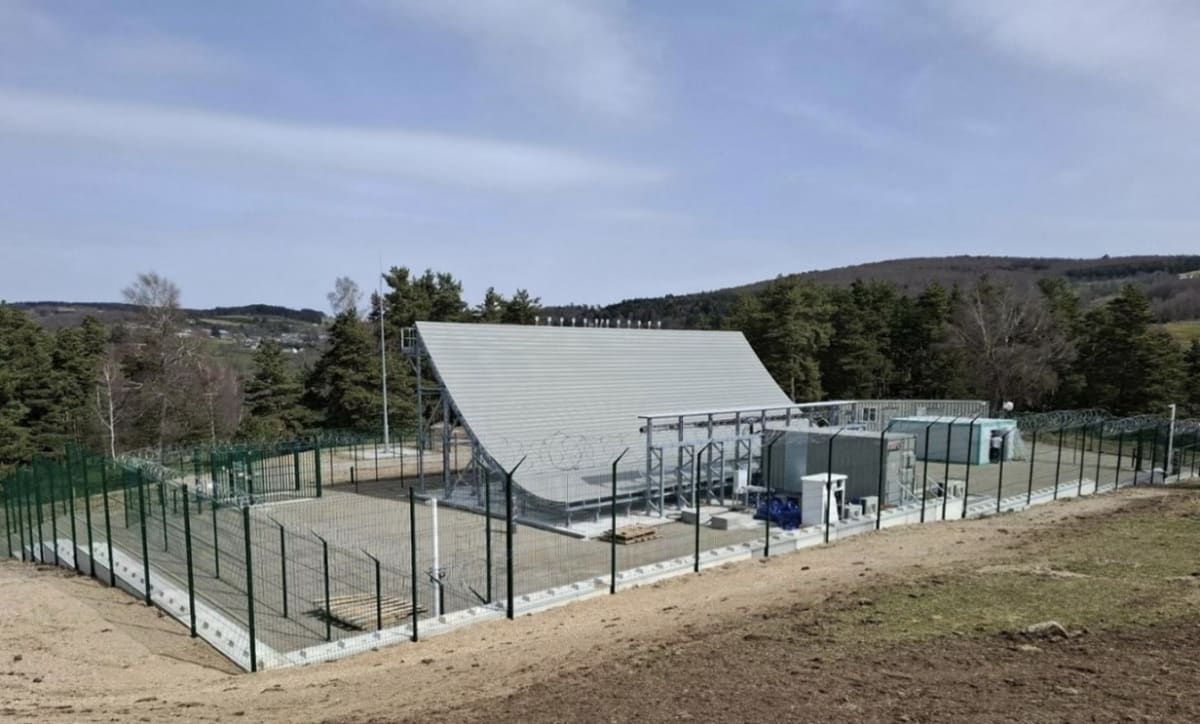
Here's how it works: Look Up's ground-based radars scan the sky and detect collision threats as small as 10 centimeters. Skynopy's network of 17 ground stations would then quickly relay commands to satellites, telling them exactly how to move out of danger's way.
The system is called ATLAS², and the European Union is funding 70% of its $4 million setup cost. The first phase involves testing how the networks connect, simulating satellite contacts, and creating practice scenarios for avoiding collisions.
If those tests succeed this year, the next step is trying it with a real satellite in orbit. The final demo would show the entire system working end to end with minimal human involvement.
Michel Friedling, Look Up's CEO, stressed that humans won't be removed from the process entirely. Operators will still make final decisions, especially for valuable satellites, but the system handles the heavy lifting of detection and planning.
Look Up already has one fully operational radar in southern France providing data to the country's space agency through 2028. The company raised $58 million last year to build two more radars in French Polynesia, with seven total planned to give Europe independent space monitoring capabilities.
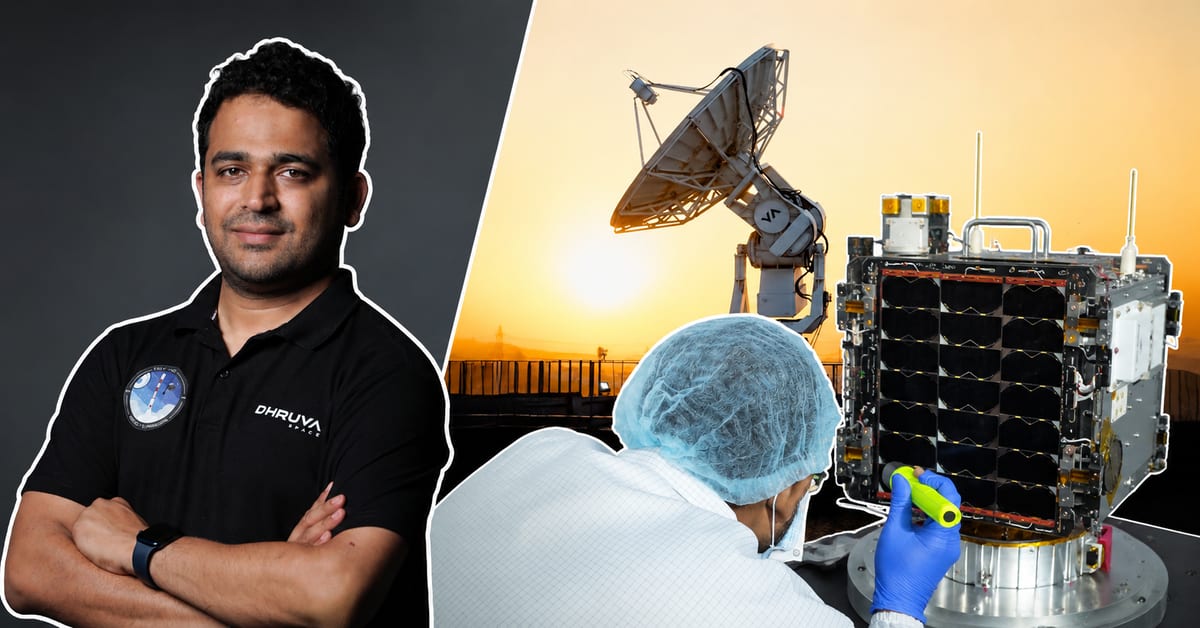
Skynopy, founded in 2023, currently supports about 10 satellite operators through its network. The partnership specifically focuses on the command link needed after Look Up spots a threat.
The Ripple Effect
This collaboration addresses a growing danger in space. More than 15,000 active satellites and hundreds of thousands of debris fragments now crowd Earth's orbit, creating countless potential collisions.
Faster response times could prevent catastrophic crashes that create even more debris, protecting both existing satellites and future space missions. Right now, most space surveillance comes from the United States, so Europe's independent system adds another safety layer for the world.
The automated approach also reduces the workload on human operators who currently monitor thousands of objects manually. Instead of scrambling to analyze threats and plan maneuvers under time pressure, they can focus on high-level decisions while the system handles technical details.
ATLAS² is already providing collision risk analysis and maneuver recommendations independently. Skynopy completes the picture by enabling automated execution, turning warnings into action before it's too late.
A safer orbit means more reliable satellite services for everyone on Earth, from GPS navigation to weather forecasting to internet access.
More Images


Based on reporting by SpaceNews
This story was written by BrightWire based on verified news reports.
Spread the positivity!
Share this good news with someone who needs it