Tiny Satellites Could Stop Nuclear Weapons in Space
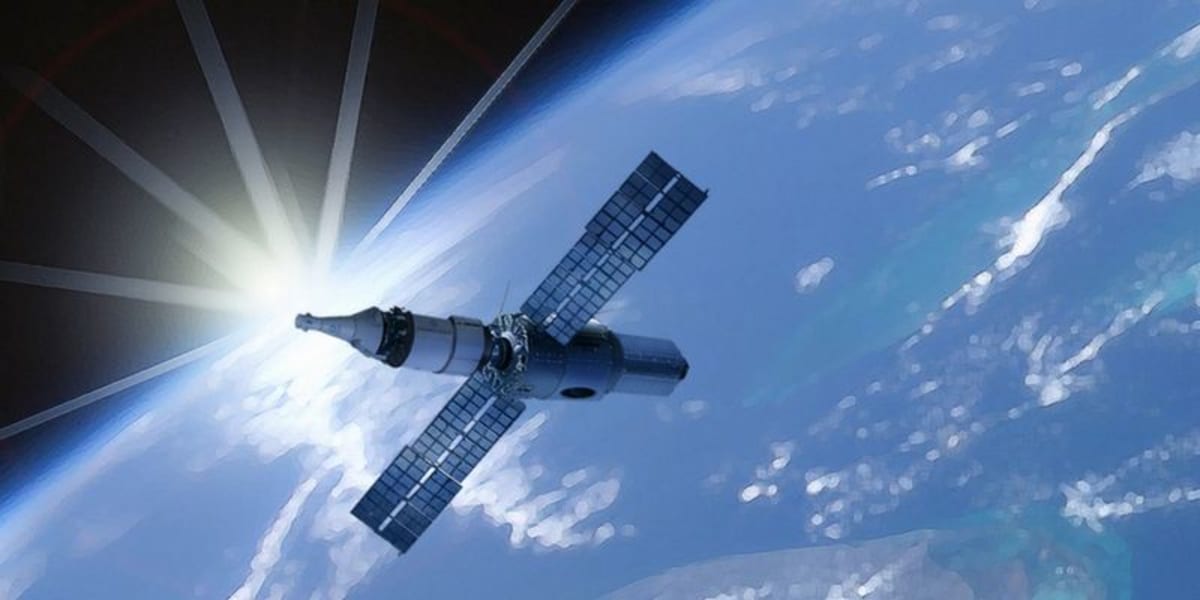
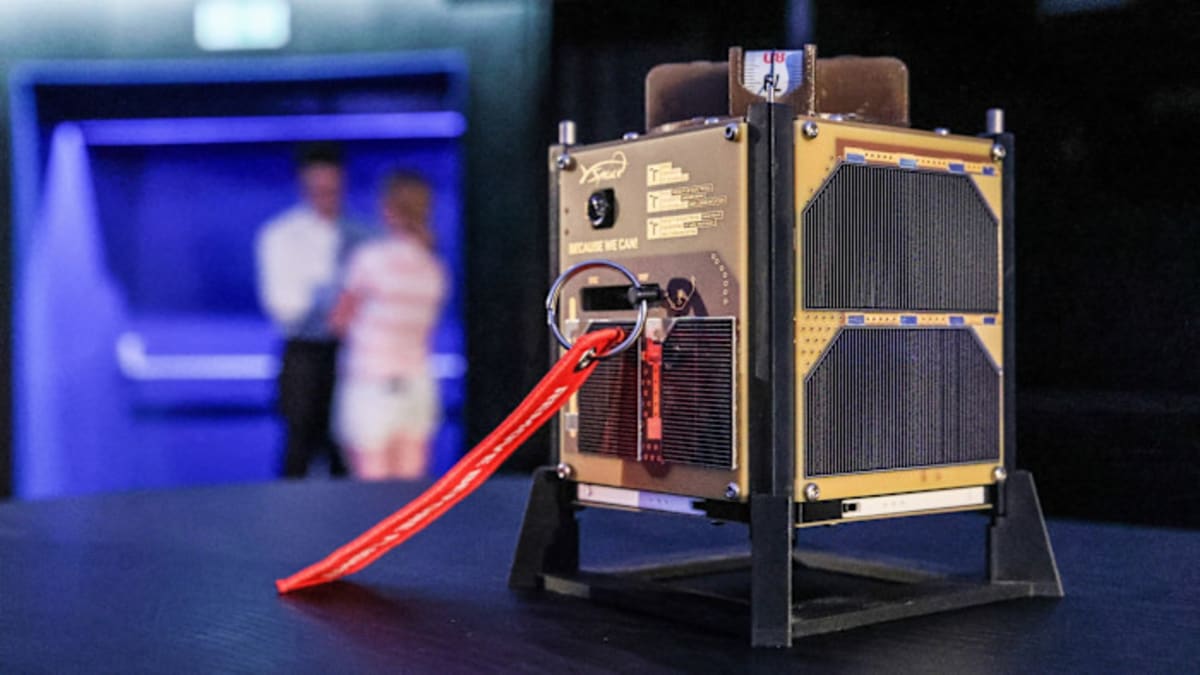
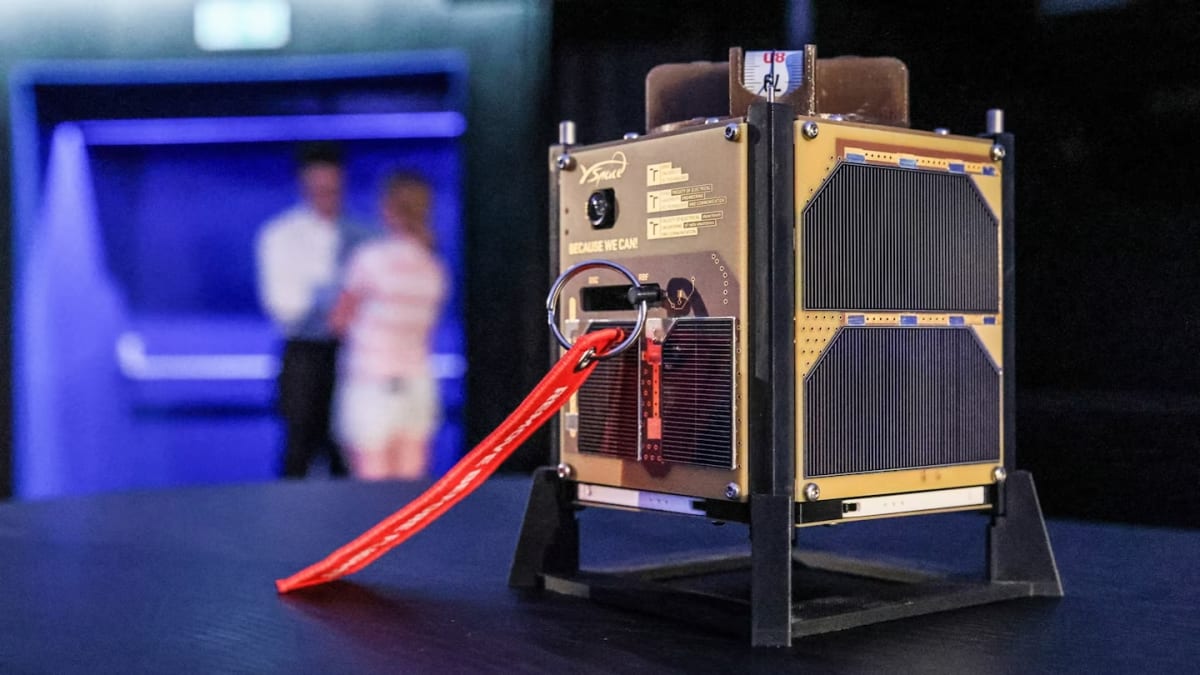
Scientists have designed shoebox-sized satellites that can detect nuclear weapons secretly launched into orbit, offering a new way to prevent conflicts in space. The monitoring system uses commercially available technology to spot weapons before they can threaten the thousands of satellites we depend on daily.
A researcher at MIT has created a peaceful solution to one of space's biggest threats: hidden nuclear weapons orbiting above our heads.
Professor Areg Danagoulian designed a monitoring satellite smaller than a suitcase that can detect nuclear weapons in space. The CubeSat works by sensing neutron particles that uranium naturally gives off when it interacts with particles trapped in Earth's magnetic field.
The technology couldn't come at a better time. As more nations launch satellites for communications, navigation, and weather forecasting, the risk of space conflicts grows. A single nuclear explosion 250 miles above Earth could damage or destroy thousands of satellites, crippling services billions of people use every day.
The proposed monitoring system has a clever design. It weighs less than 220 pounds and uses equipment anyone can buy commercially. The satellite would need about a week of measurements from just 2.5 miles away to confirm whether a spacecraft carries nuclear weapons.
What makes this approach special is its gentleness. Unlike other detection methods, it doesn't shoot X-rays or radiation at the satellite being inspected. That means countries are more likely to accept it as a fair verification tool.
The system would enforce the 1967 Outer Space Treaty, which bans nuclear weapons in orbit. Major space nations signed the agreement, but until now, no technology existed to verify compliance. US intelligence recently claimed Russia has been developing space-based nuclear weapons, though Russian President Vladimir Putin denies planning to deploy them.
Why This Inspires
History shows why this matters. In 1962, the US tested a nuclear bomb 250 miles above the Pacific Ocean. The explosion damaged a third of all satellites then in orbit and caused street lights to fail in Hawaii from the electromagnetic pulse.
Today, we have over 8,000 active satellites in space. They guide planes, predict hurricanes, connect remote communities, and help farmers grow food. Protecting them protects the infrastructure of modern life.
Danagoulian believes the monitoring system would work as a deterrent. "If a bad-faith actor knows that their attempt will be discovered via inspection, they will be more likely to decide it's not worth pursuing," he explained. When nations know they'll get caught breaking the rules, they're less likely to try.
Other scientists agree the concept shows promise. Professor Angela Di Fulvio at the University of Illinois says it needs refinement and testing in real conditions, but could become a valuable tool when combined with other satellite defenses.
The research team has shared their work with defense institutions and received strong encouragement to continue. Sometimes the best weapons against conflict are the ones that prevent it from starting.
More Images


Based on reporting by Google News - Science
This story was written by BrightWire based on verified news reports.
Spread the positivity!
Share this good news with someone who needs it