Fukushima Begins Removing Nuclear Fuel 13 Years After Crisis
Tokyo Electric Power Company started removing nuclear fuel from a damaged Fukushima reactor this week, marking a major milestone in one of history's most challenging cleanup efforts. The work represents real progress toward making the area safe again after the 2011 tsunami disaster.
Thirteen years after a devastating tsunami crippled Japan's Fukushima nuclear plant, crews have begun a crucial step that brings the region closer to recovery.
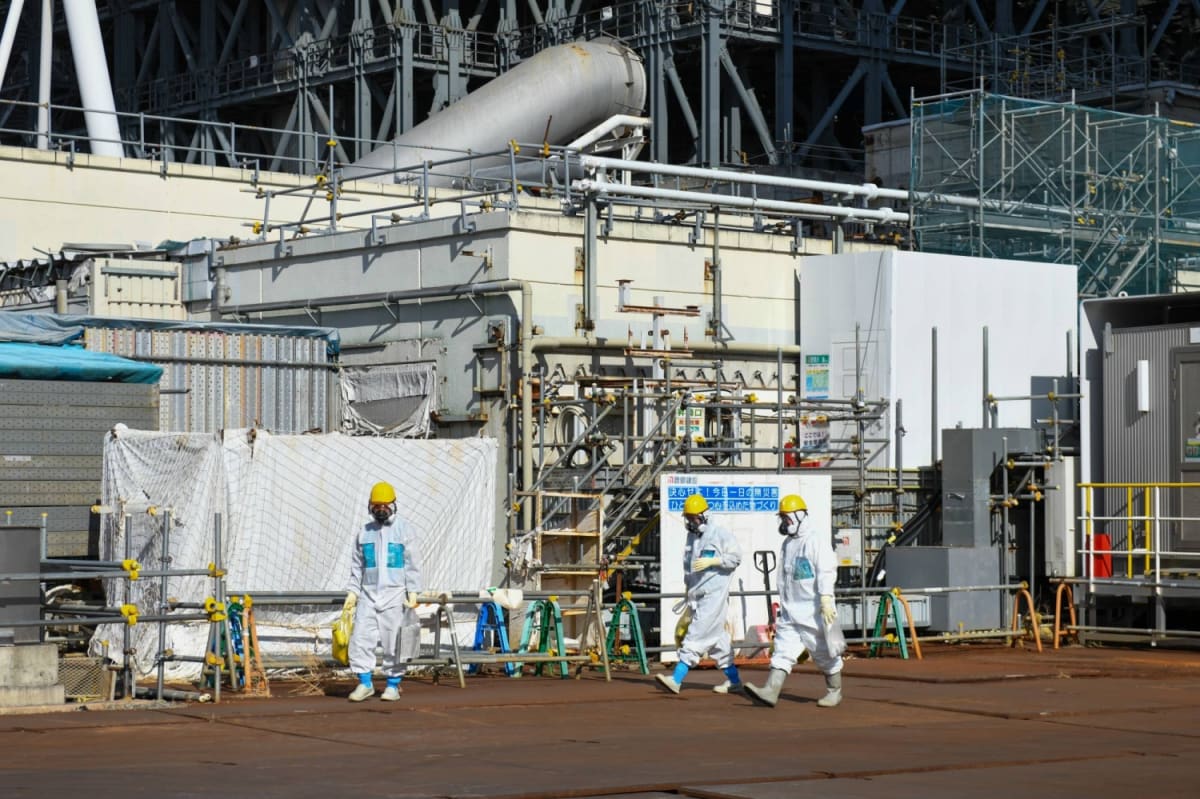
Tokyo Electric Power Company started removing nuclear fuel from the No. 2 reactor's storage pool on Tuesday. It's the kind of progress that seemed impossibly distant when the disaster first struck in 2011.
The reactor currently holds 615 fuel assemblies that need careful removal. The company is starting with 28 unused fuel assemblies because they're safer to handle, then moving to the 587 spent assemblies that require more intensive safety measures.
This isn't just about moving fuel. It's about reclaiming a community's future and proving that even the most daunting environmental challenges can be tackled with patience and determination.
The work requires specially designed equipment and extreme precision. Every fuel assembly must be lifted from the storage pool, placed in protective containers, and moved to secure storage without incident.
Tokyo Electric aims to complete the removal by 2028. That might sound far away, but considering the complexity and the fact that this process is happening inside a reactor damaged by both earthquake and tsunami, it's remarkable progress.
The Ripple Effect
This milestone matters far beyond Fukushima's borders. Communities around the world living near aging nuclear facilities are watching closely, learning what's possible when cleanup efforts stay focused on long-term safety over quick fixes.
The work also provides hope for the thousands of former residents who dream of returning home someday. Each fuel assembly removed reduces risk and brings the area one step closer to true recovery.
Japan has invested decades of research into making this possible. The specialized robots, remote-handling equipment, and safety protocols developed for Fukushima are now helping inform nuclear safety worldwide.
The project employs hundreds of workers who've dedicated years to mastering the delicate work of decommissioning. Their expertise is building a blueprint that didn't exist before 2011.
Local fishing communities, farmers, and business owners are watching these milestones carefully. Their livelihoods depend on restoring confidence in the region's safety, and visible progress helps rebuild that trust.
The complete decommissioning will take decades more, but Tuesday's work proves something important. Even when environmental disasters seem overwhelming, steady determination and human ingenuity can chart a path forward.
More Images
Based on reporting by Japan Times
This story was written by BrightWire based on verified news reports.
Spread the positivity!
Share this good news with someone who needs it