Gaza's Rafah Crossing Reopens After Two Years Closed
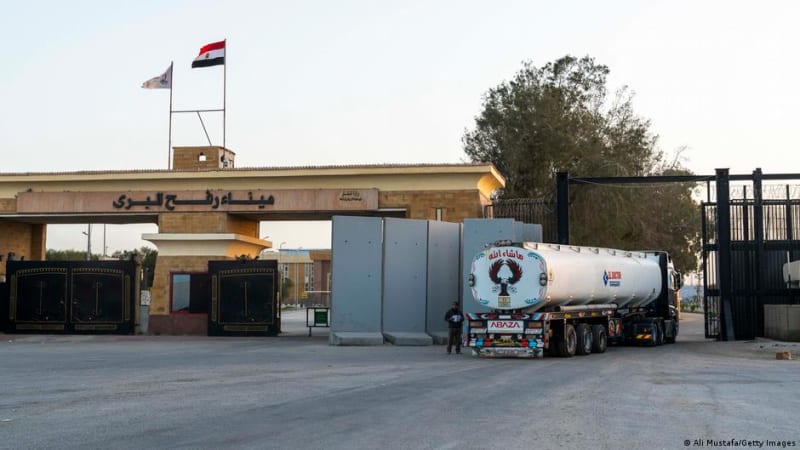
The Rafah border crossing between Gaza and Egypt reopened today on a trial basis, offering hope to thousands of Palestinians seeking medical care and a chance to return home. The reopening marks a key milestone in the second phase of the ceasefire agreement.
After more than two years of closure, the Rafah border crossing between Gaza and Egypt opened its gates today, reconnecting families and offering a lifeline to Palestinians in desperate need of medical care.
The crossing, Gaza's only exit point not controlled directly by Israel, began operating on a trial basis as part of the second phase of a US-brokered ceasefire agreement. European Union border patrol agents will supervise the crossing alongside Palestinian security officers, while Israel and Egypt handle vetting procedures.
The numbers tell a powerful story of need and hope. Around 20,000 Palestinians, including many children, are waiting for medical treatment outside Gaza. Thousands more families hope to return home after being displaced by the conflict.
Initially, 50 patients will be allowed to leave Gaza each day for medical care, while 50 people can enter daily. If the trial period goes well, those numbers are expected to grow over time.
The crossing holds special significance for Gaza residents. Since 2007, it has been their only border point for entering and leaving the territory. When Israeli forces seized control in May 2024, it severed this crucial connection to the outside world.
The Ripple Effect
The reopening represents more than just a border opening. For families separated by conflict, it means reunion. For sick children and their parents, it means access to life-saving treatment. For displaced residents, it means the possibility of returning home.
Ambulances have already begun crossing into the Egyptian side of Rafah, preparing to transport patients who have waited months for this moment. The international cooperation required to make this happen shows what's possible when parties work together toward humanitarian goals.
The trial period will test whether this fragile progress can hold and expand, potentially allowing more movement and bringing relief to a community that has endured isolation for too long.
Today's reopening proves that pathways to connection can be rebuilt, even after years of separation.
Based on reporting by DW News
This story was written by BrightWire based on verified news reports.
Spread the positivity!
Share this good news with someone who needs it