South Sudan Gets First Drought Plan, Protecting 65,000
South Sudan just launched its first-ever anticipatory drought plan, helping 65,000 people prepare before disaster strikes instead of scrambling after. The UN and South Sudan's government are delivering cash and early warnings so families can protect their crops, livestock, and futures.
Instead of waiting for drought to devastate communities, South Sudan is helping thousands prepare before the crisis deepens.
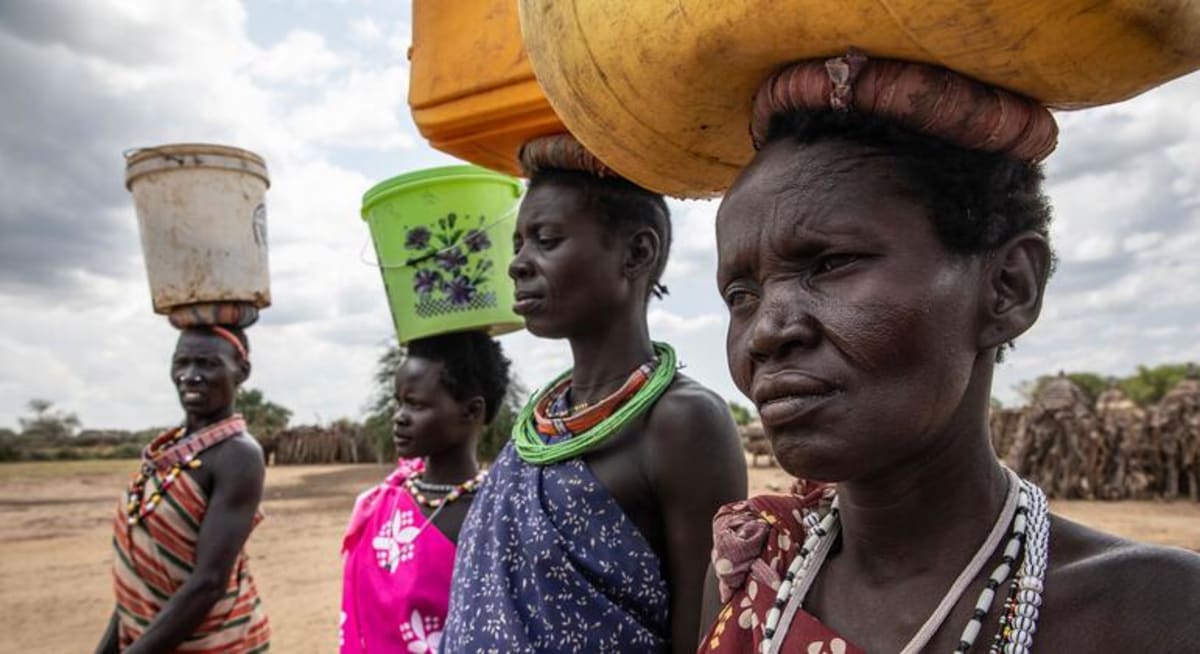
The UN World Food Programme and South Sudan's government activated the country's first-ever drought anticipatory plan on Friday, targeting more than 65,000 people in Eastern Equatoria state. The program delivers cash assistance and early warning communications to families before conditions worsen.
"Anticipatory action is transforming the way we manage climate-related shocks," said Mutinta Chimuka, WFP Country Director in South Sudan. "Rather than wait for drought to deepen humanitarian needs, we are acting based on forecasts and evidence to support communities before livelihoods are disrupted."
More than 52,000 people in Budi and Kapoeta North counties are receiving direct cash transfers to meet essential food and livelihood needs. The support strengthens their purchasing power and prevents families from resorting to desperate measures like selling livestock at losses or pulling children from school.
An additional 65,000 people are benefiting from awareness campaigns that share critical information about drought preparation, livestock management, water conservation, and livelihood planning. These early warnings give communities time to act strategically rather than react desperately.
The timing matters because families in Eastern Equatoria depend almost entirely on seasonal rainfall for their crops and livestock. Prolonged dry spells can quickly wipe out entire harvests and herds, destroying incomes and triggering food insecurity across the region.
The Ripple Effect
This groundbreaking approach represents a fundamental shift in humanitarian work. By combining scientific forecasts, early warning systems, and pre-arranged financing totaling $2.45 million from South Korea and Germany, the program helps vulnerable communities withstand climate shocks before they lose everything.
Previous investments from Ireland and South Korea helped build South Sudan's entire anticipatory action system from the ground up. That foundation now allows rapid activation when drought predictions reach certain thresholds, protecting development gains that took years to achieve.
The model proves that prevention works better than emergency response, both for families who avoid devastating losses and for aid organizations that can stretch resources further. Communities that preserve their livestock and seed stocks can recover faster and build toward genuine resilience instead of cycling through repeated crises.
Thousands of South Sudanese families now face the coming dry season with resources, information, and hope instead of fear.
Based on reporting by UN News
This story was written by BrightWire based on verified news reports.
Spread the positivity!
Share this good news with someone who needs it