German Exoskeletons Protect Clean Energy Workers' Backs
A Bavarian tech company created a powered exoskeleton that helps renewable energy workers avoid career-ending back injuries while building solar farms and wind turbines. The Exia system detects lifting movements and provides real-time support to workers doing thousands of repetitive lifts.
📺 Watch the full story above
Building the clean energy future is breaking workers' backs, but a German company just powered up the solution.
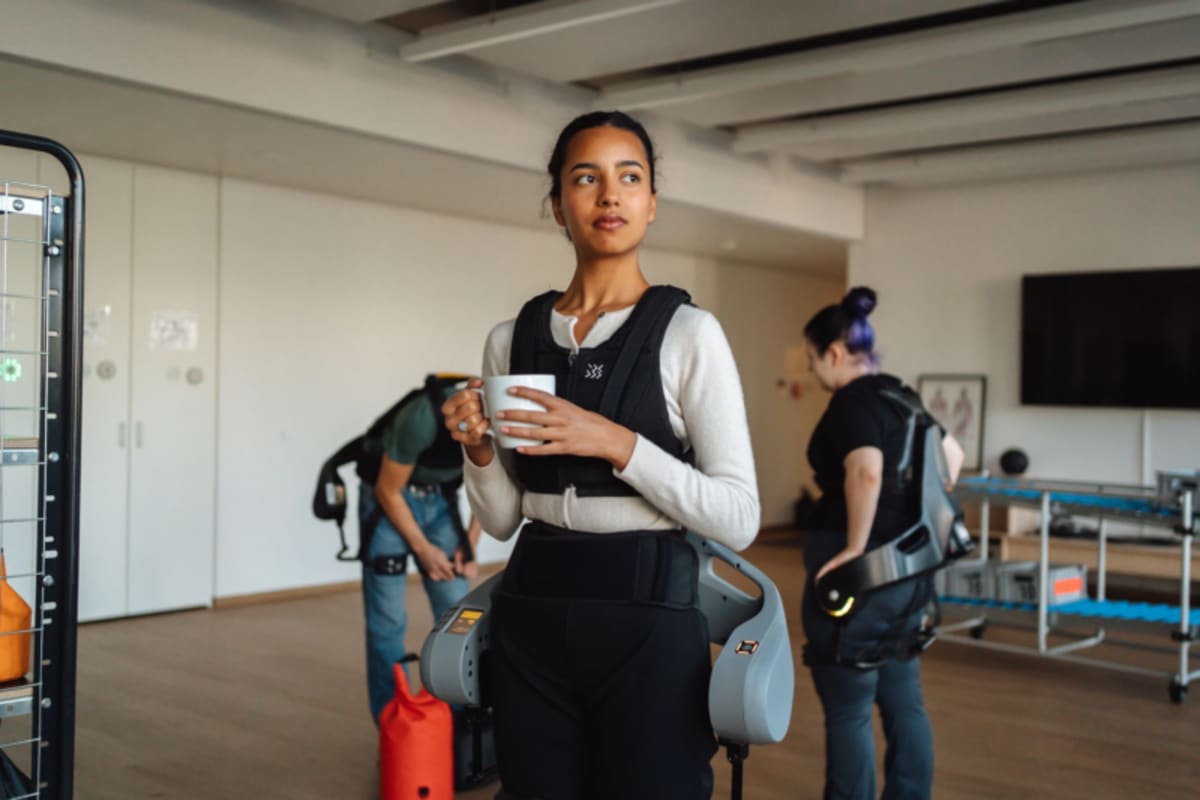
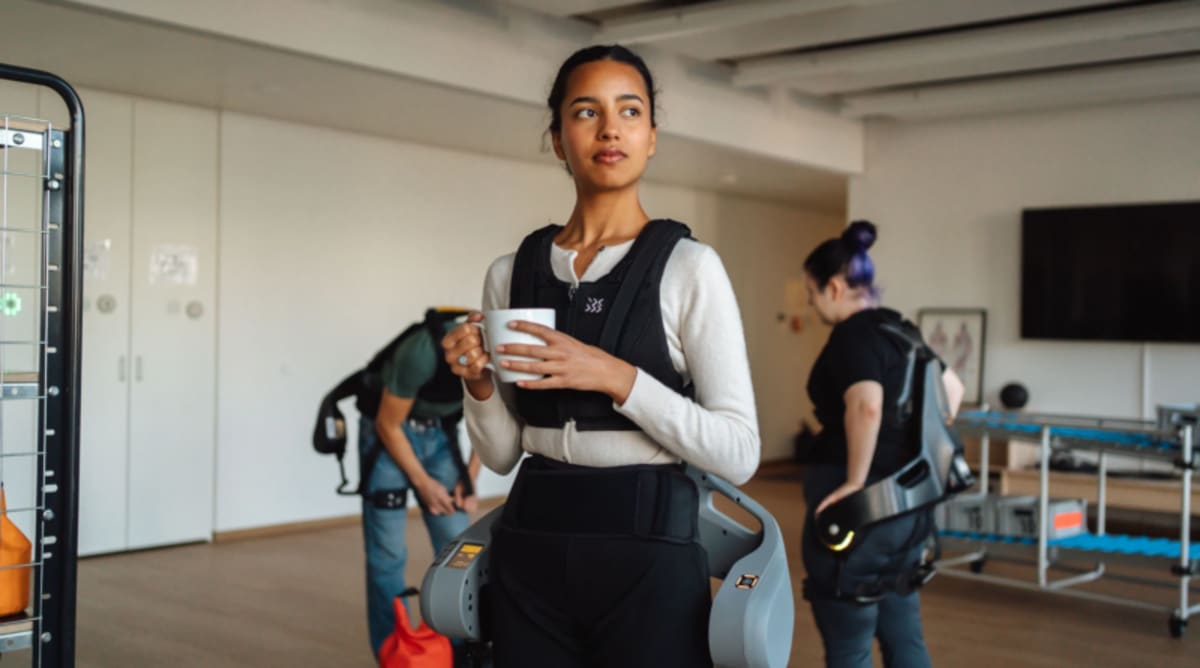
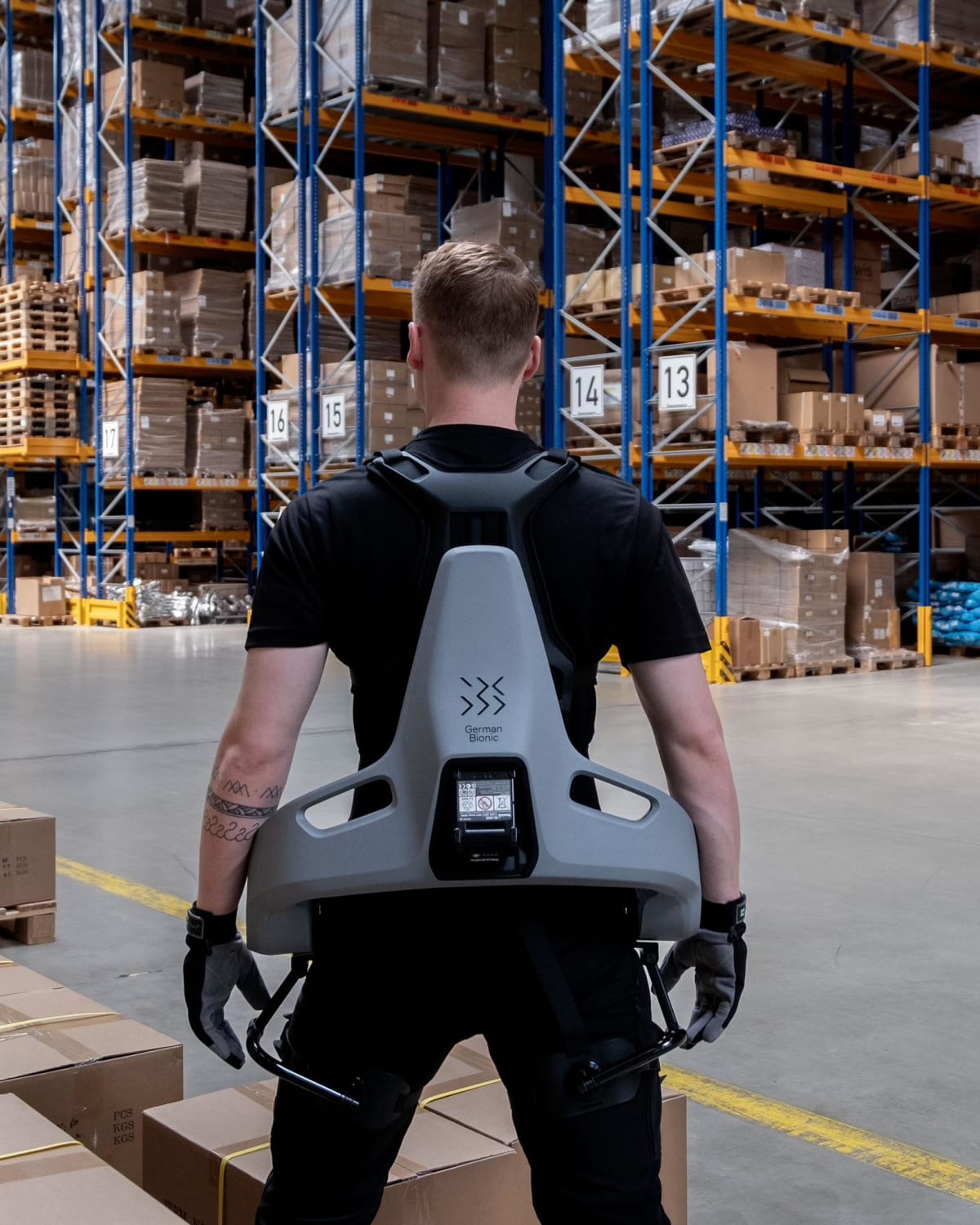
German Bionic, a Bavarian tech firm, developed the Exia, a battery-powered exoskeleton that acts like a robotic assistant for your lower back. The device uses motion sensors to detect when workers are lifting heavy equipment and instantly applies assistive force to reduce strain.
The timing couldn't be better. Manufacturing wind turbine blades, nacelle assemblies, and solar panel frames requires thousands of repetitive lifts in punishing factory conditions. Installing solar panels often means carrying equipment across terrain too rough for forklifts.
The International Renewable Energy Agency projects the global clean energy workforce will need to more than triple by 2050. But there's a hidden problem: musculoskeletal disorders already cause more workplace absences than any other condition in manufacturing and construction.
The cost is staggering. European industry loses an estimated €240 billion annually to back injuries and related disorders. More importantly, skilled workers are leaving mid-career because their bodies can't keep up with the physical demands.
German Bionic has already deployed thousands of Exia units across Europe. Swiss private equity firm Archimedes Partners acquired the company earlier this year, recognizing the technology's potential in a labor market still recovering from pandemic-era shortages.
The Ripple Effect
The impact extends beyond individual workers. Each Exia system continuously collects data on lift frequency, estimated loads, and cumulative strain. This information helps companies identify dangerous work patterns before injuries occur.
That data matters under the EU's Corporate Sustainability Reporting Directive, which requires companies to document worker protection measures. Sustainability officers now have quantified evidence they can use to improve workplace safety.
The technology also reduces reliance on diesel-powered machinery for medium-sized lifts. A worker equipped with an exoskeleton can safely handle loads that would otherwise require fuel-burning equipment.
Extending a skilled worker's productive career by even a few years compounds across the entire renewable energy sector. When the industry needs to triple its workforce while racing against climate deadlines, keeping experienced workers healthy isn't just compassionate—it's strategic.
The workers building tomorrow's clean energy infrastructure are using today's robotics to protect their own futures.
More Images
Based on reporting by CleanTechnica
This story was written by BrightWire based on verified news reports.
Spread the positivity!
Share this good news with someone who needs it