German Scientists Find Way to Expose Hidden Pancreatic Tumors
Researchers in Germany discovered how pancreatic cancer hides from the immune system and successfully shrank tumors by 94% in animal studies. The breakthrough could transform treatment for one of the deadliest cancers.
Scientists at the University of Würzburg have cracked the code on how pancreatic cancer evades the body's natural defenses, opening the door to treatments that could save thousands of lives.
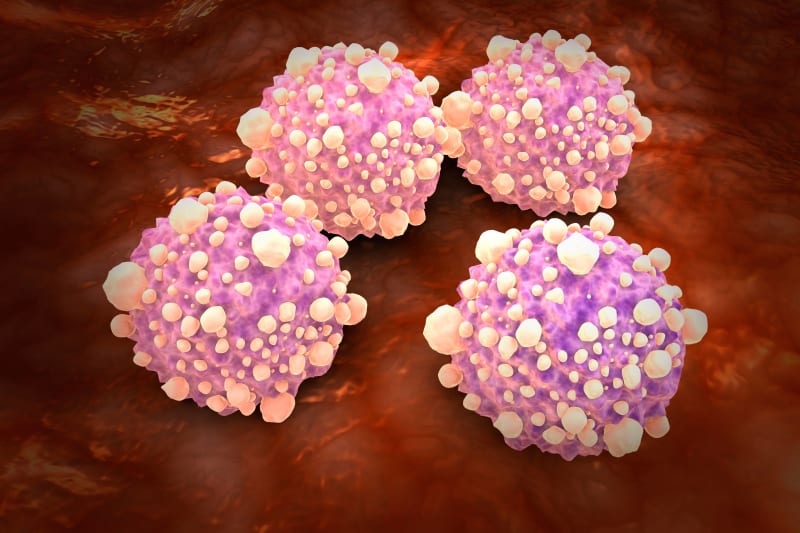
The research team discovered that the cancer gene MYC does double duty in tumors. While helping cancer cells multiply, it also acts like an invisibility cloak, suppressing alarm signals that would normally trigger the immune system to attack.
When researchers blocked this hiding mechanism in animals, the results were stunning. Tumors with normal MYC grew 24 times larger within 28 days, while those with disrupted MYC shrank by 94% during the same period.
The catch? The immune system had to be intact for the shrinkage to happen. This finding points to a revolutionary treatment approach: instead of attacking cancer cells directly, future drugs could simply make tumors visible to the body's existing defenses.
Pancreatic cancer kills around 10,000 people in the UK each year, making it the fifth biggest cancer killer in the country. It has earned the grim nickname "silent killer" because symptoms often don't appear until the disease has already spread beyond treatment.
The five-year survival rate sits below 7%, the lowest of all common cancers. Most patients receive their diagnosis only after options have become severely limited.
Martin Eilers, who led the study, emphasized that this approach could target cancer without harming healthy cells. The MYC gene plays a role in up to 70% of human cancers, suggesting the discovery could have applications far beyond pancreatic disease.
The Ripple Effect
The breakthrough is already creating waves beyond adult cancer treatment. The Cancer Grand Challenges KOODAC team, funded in 2024 to tackle childhood solid tumors, will use these findings to develop new treatments for MYC-driven cancers in children.
Dr. David Scott, director of the KOODAC team, called the research an encouraging example of how international collaboration can crack some of cancer's toughest puzzles. The team is now working on innovative ways to target the proteins that drive tumor growth in young patients.
The study represents years of work by researchers determined to understand why pancreatic cancer proves so deadly and how to level the playing field between tumors and the immune system.
For the thousands of families touched by pancreatic cancer each year, this research offers something that's been in short supply: real hope that the silent killer might finally be forced into the light.
More Images
Based on reporting by Independent UK - Good News
This story was written by BrightWire based on verified news reports.
Spread the positivity!
Share this good news with someone who needs it